COUNCIL OF EYES
Veteran collectors who have cultivated expertise over decades. Rank up by submitting cards and posting upvoted reviews— and then become eligible to join The Council.

Biography
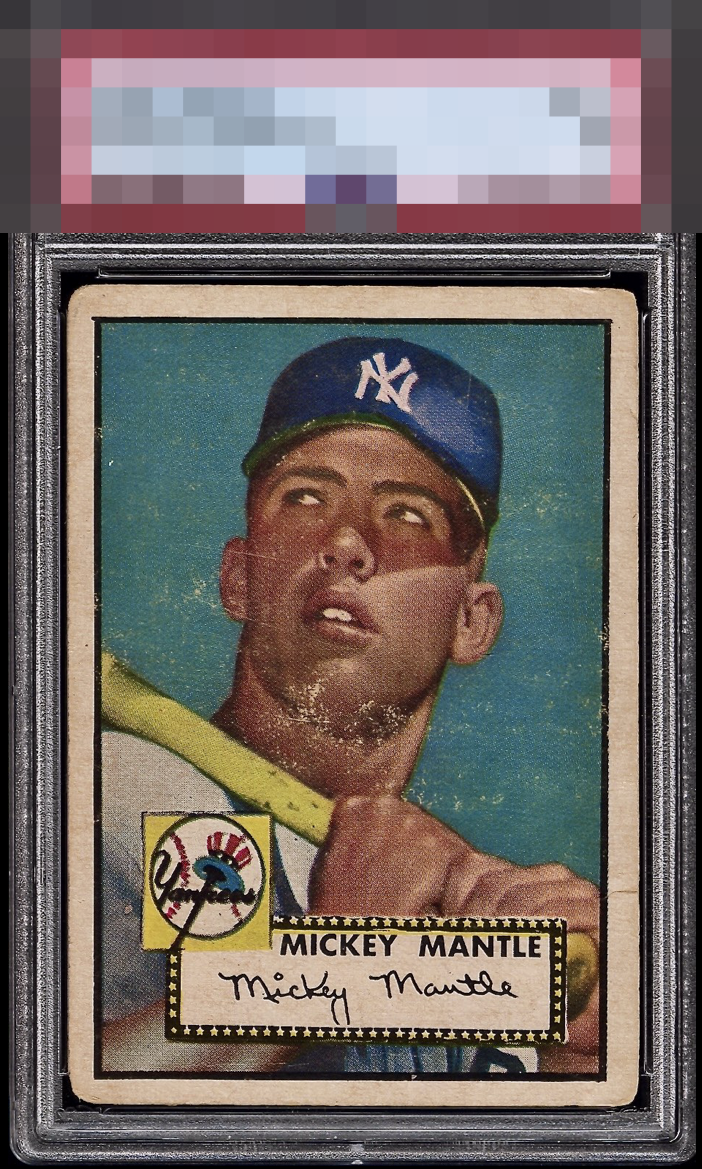
Matt Cirulnick is a screenwriter/producer who was born and raised in Brooklyn, NY. He began collecting in 1986 with a pack of Topps bought at the corner store on 11th Ave & 67th St. He was turned onto collecting by his cousin, who urged him to buy a Canseco Rated Rookie in 1986 (it was eventually purchased in 2024). Matt's focus is classic sports cards, with an emphasis on Yankee greats. Fun fact: his '52 Mantle has provenance tracing it back to its original pack puller in 1952!
Grading Style
Think of this as an umpire scouting report; how does the ump call a game?
For me, the key determinants of eye appeal are image clarity (no blemishes/creases on the subject) and centering. I can be forgiving on corners that retain their shape, and am lenient on backs. I don't look at my cards under magnification, so if I need a loupe to see it, the flaw "isn't there."
SHOWCASE
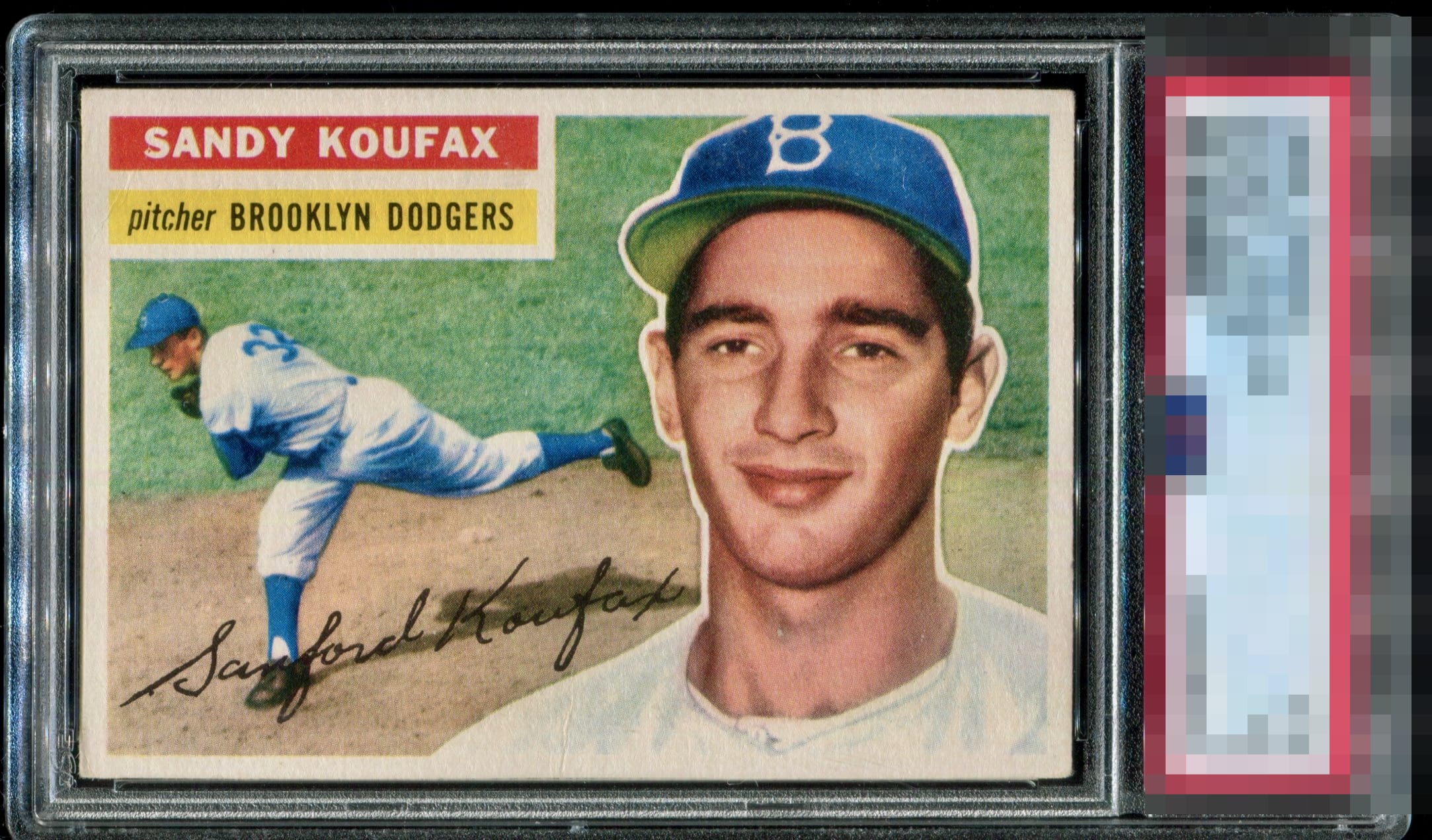
Sandy Koufax #79
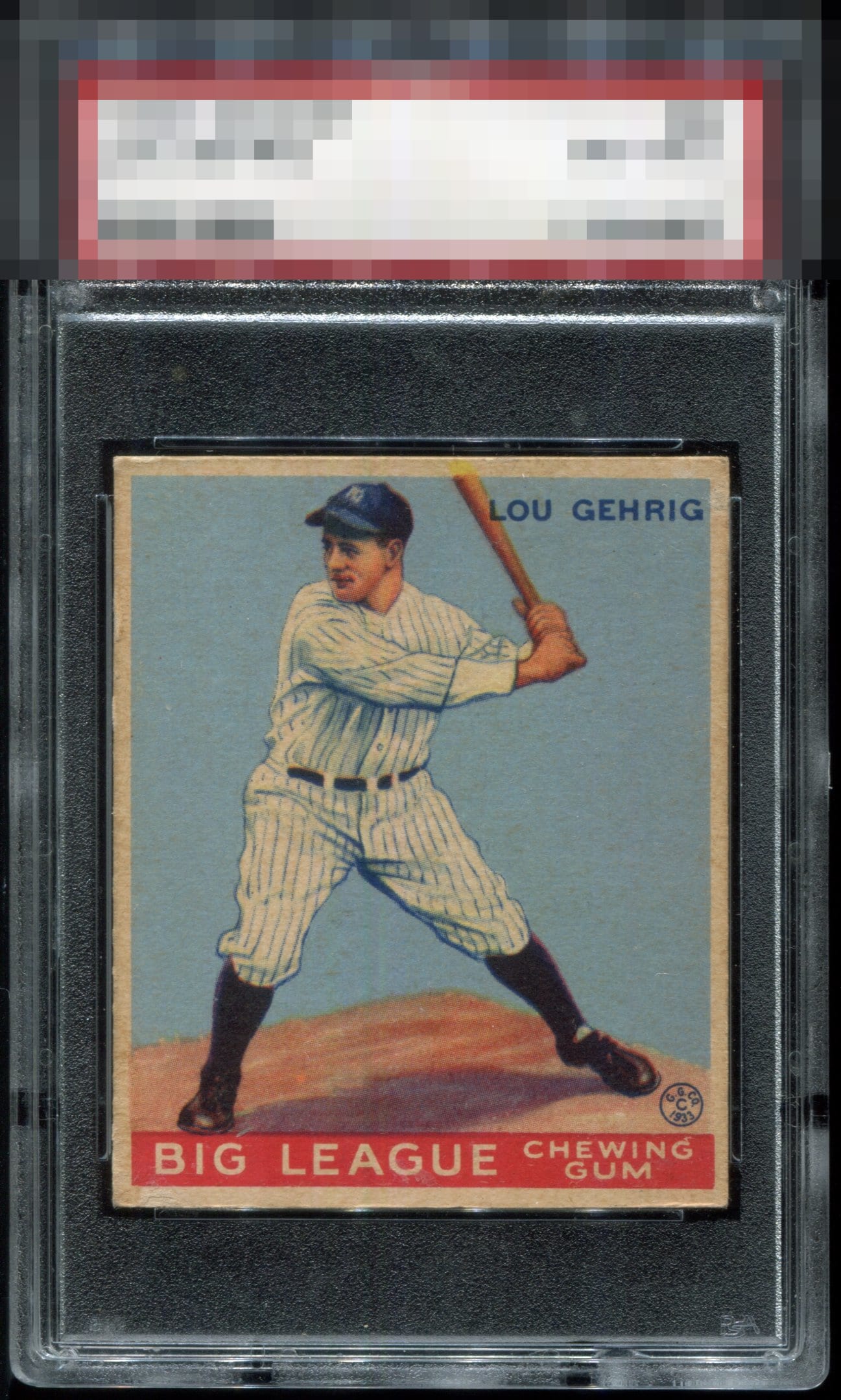
Lou Gehrig #92

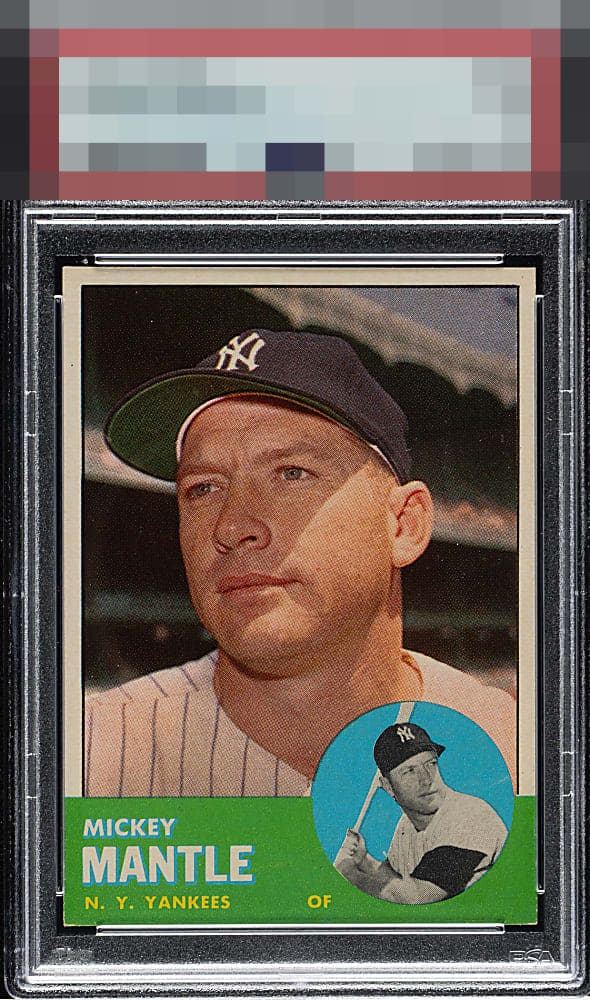
Mickey Mantle #311
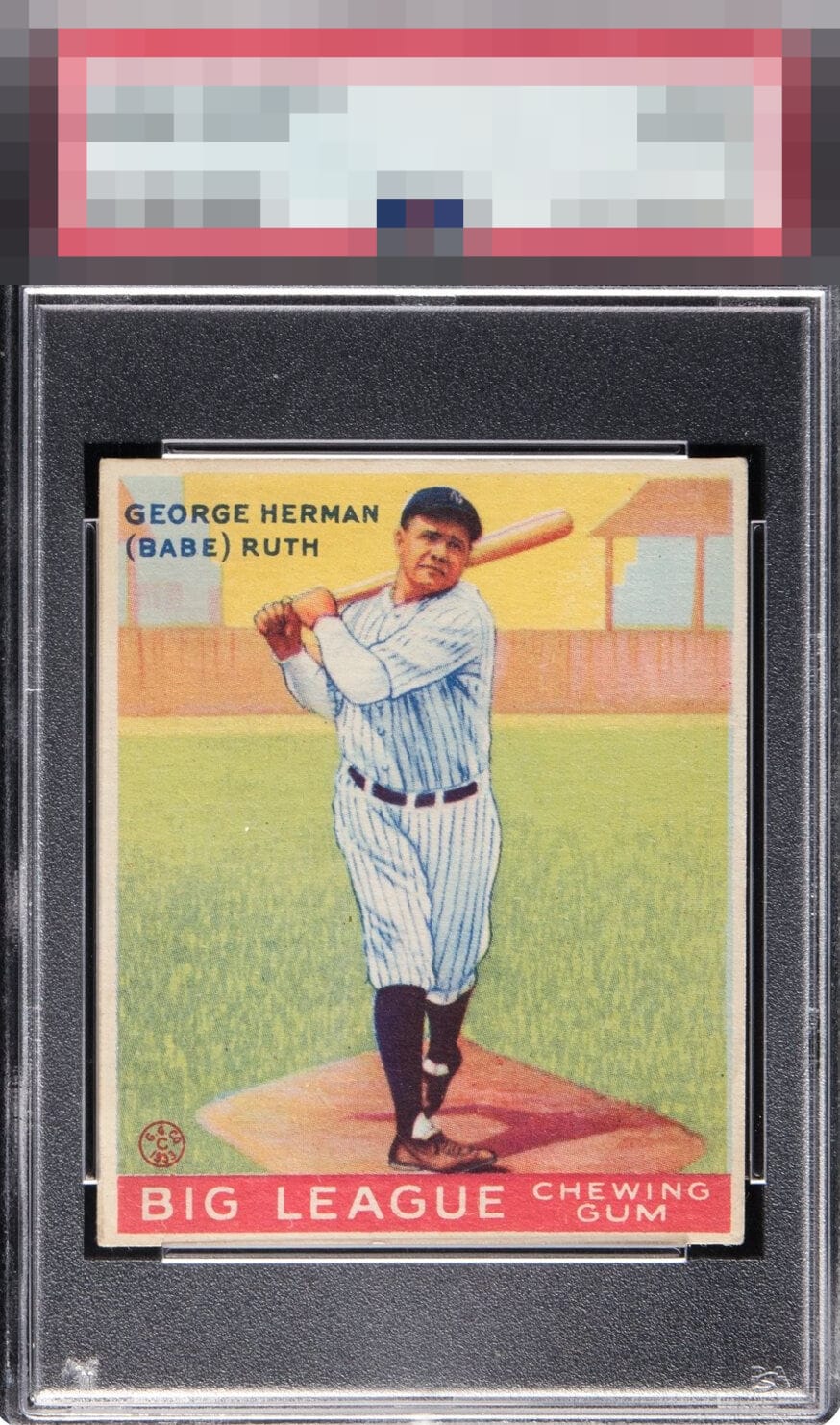
Babe Ruth #144

Mickey Mantle #253

Biography
Adam Leaventon is an ad exec out of Philly. He first felt the burn pulling 1981 Schmidt foils out of 15 cent Topps Sticker packs and voraciously consumed junk wax, pumping the brakes only when cards became valuable again. Oops. Adam’s instinct has always been preservation. At age 9, he left his Magic/Bird rookie intact. He’s since curated an historically significant collection of sneakers dating from the late 1970’s on. Now vintage himself, Adam’s focuses his OCD on vintage, leaning into players who hit as hard in culture as they did on the field.
Grading Style
Think of this as an umpire scouting report; how does the ump call a game?
Slabs are about preservation and aesthetics for me. I actively seek the elusive perfect 1 vs. a more readily available 8. My priorities are centering and corners, but my eye grades on a curve depending on the specifics of a given card. I’m a-o-k with A’s and prone to falling for discreet pinholes and paper loss as a means to higher eye appeal examples.
SHOWCASE
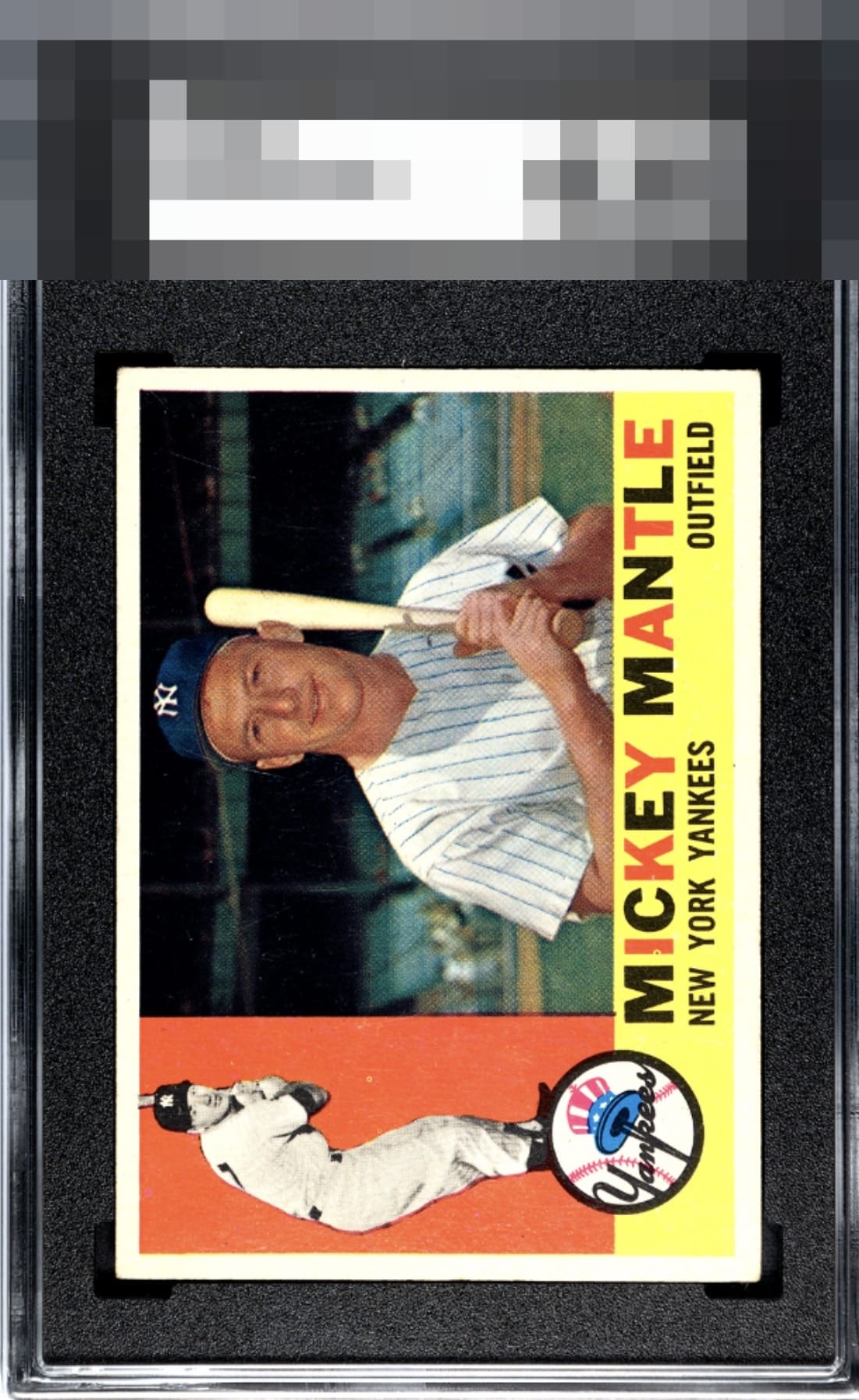
Mickey Mantle #350

Roy Campanella

Roberto Clemente #164
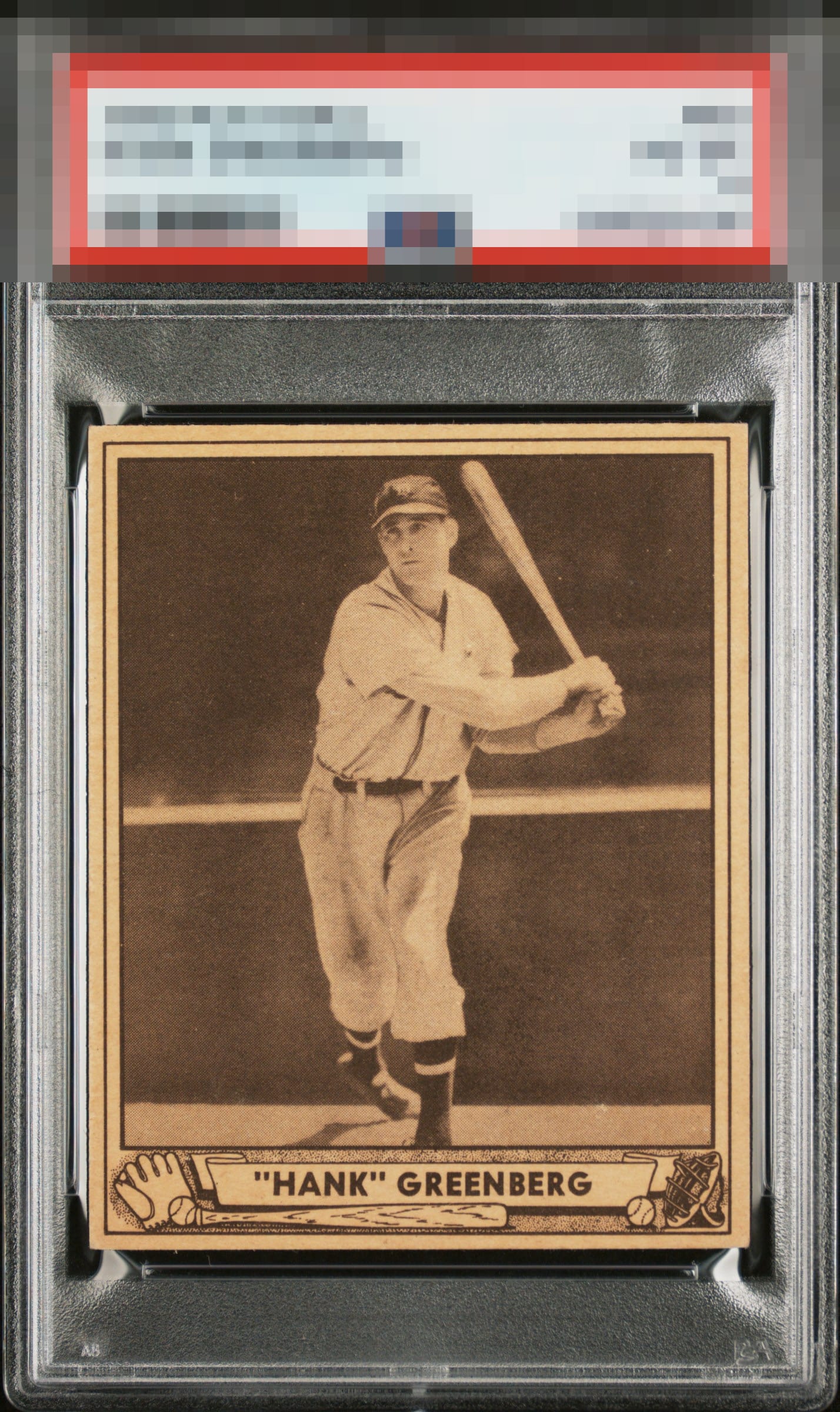
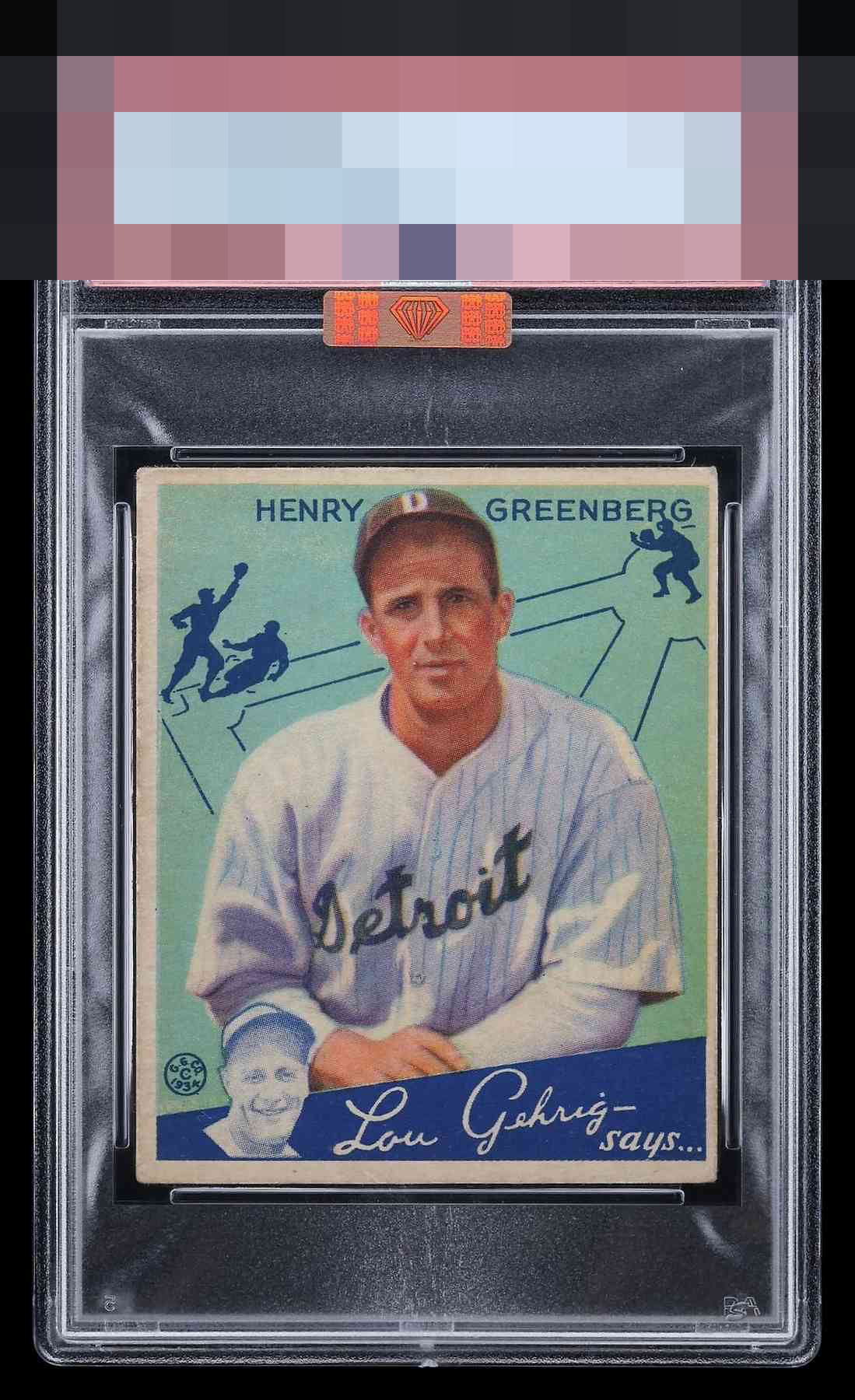
Hank Greenberg #40
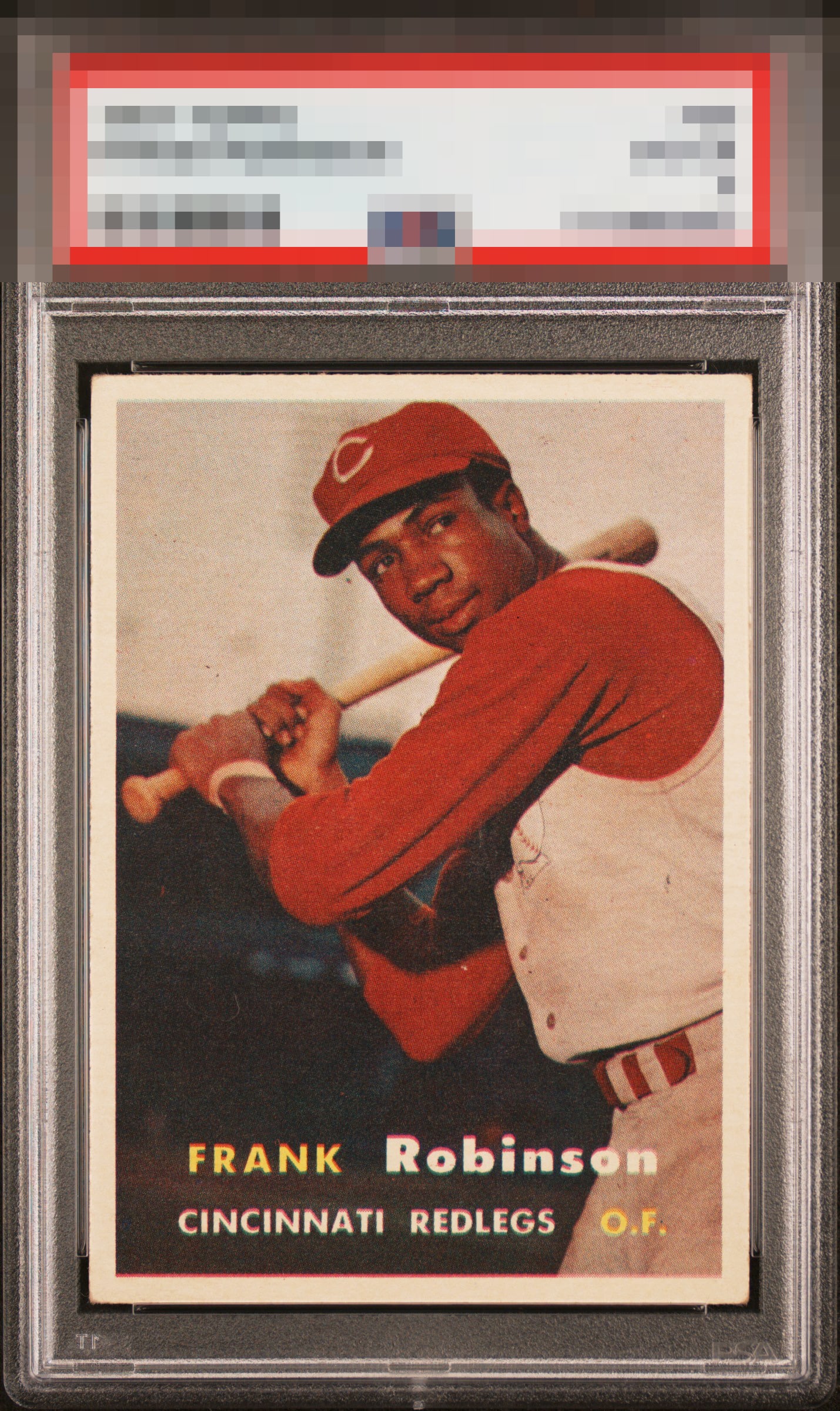
Frank Robinson #35

Biography
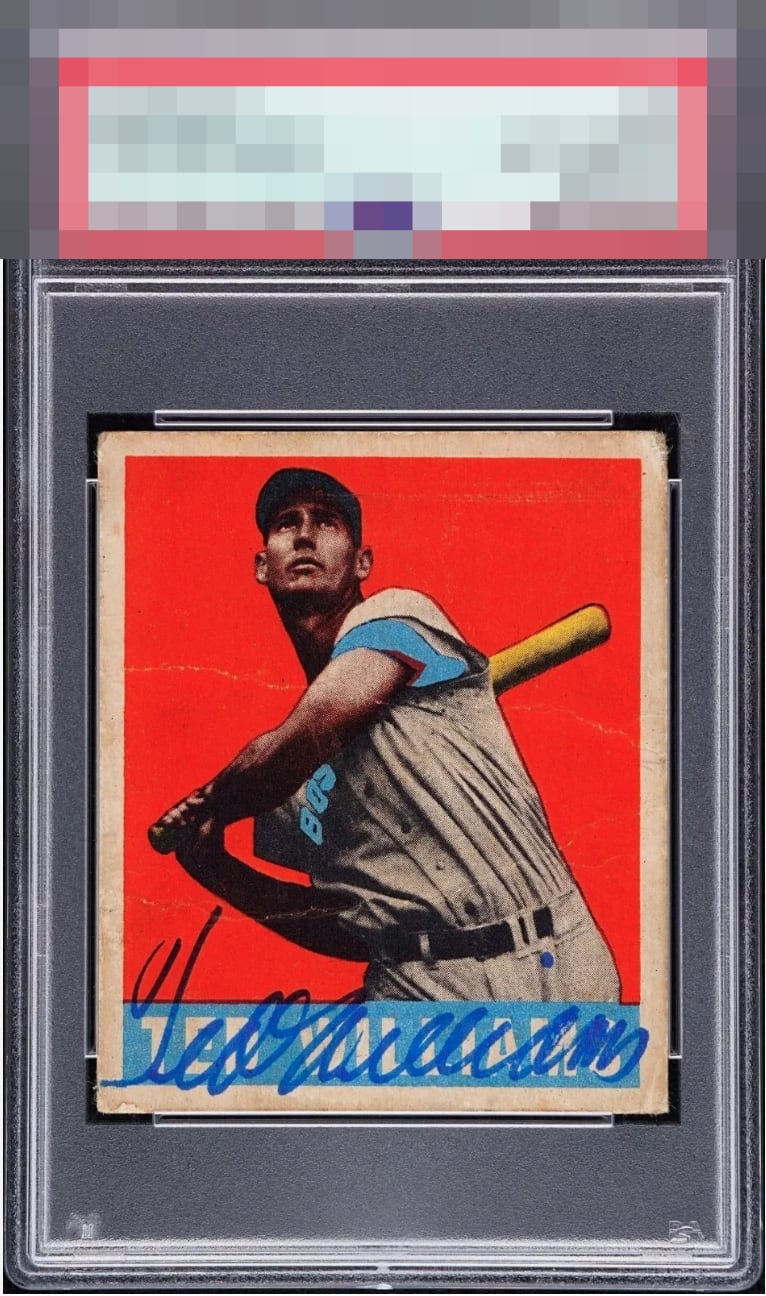
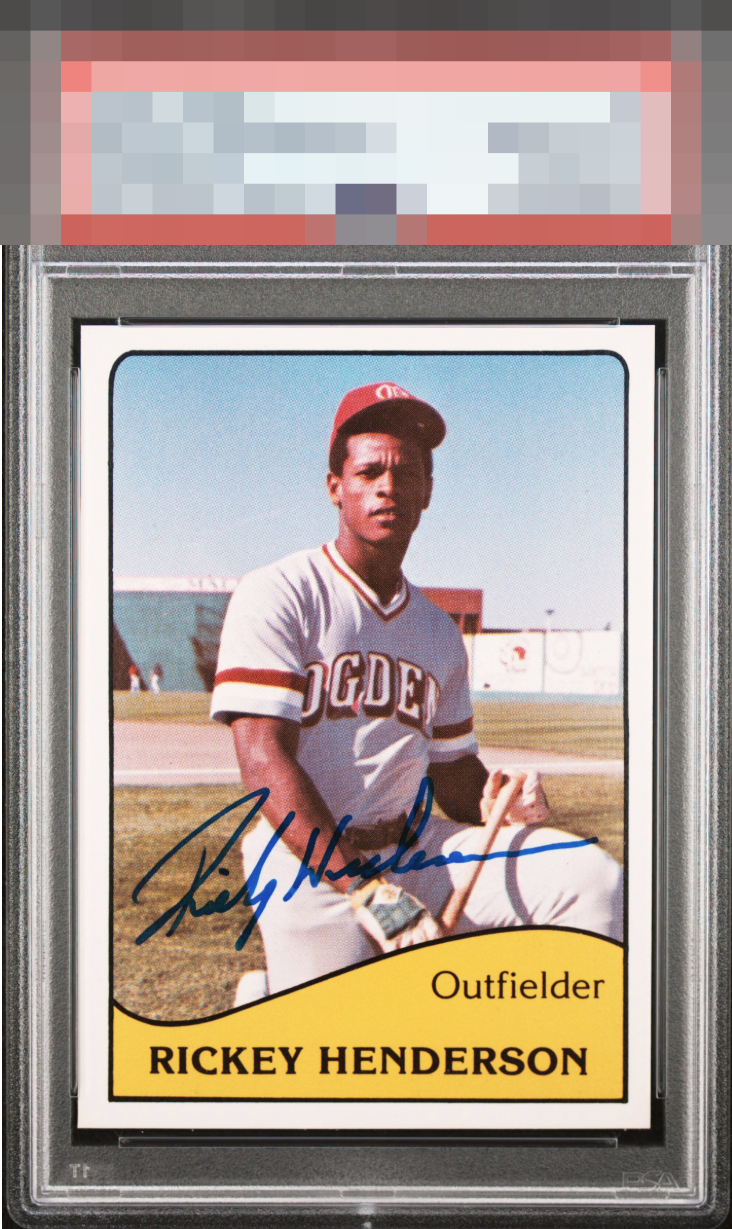
Longtime collector chasing the HOF master set. About 8 years ago I decided to up the difficulty and started adding signed HOF rookies to the list — a much harder chase, but that's the fun of it. I collect baseball, basketball, and football, but my true passion and collecting joy is Hall of Fame baseball players. — big_macks_cardbox
Grading Style
Think of this as an umpire scouting report; how does the ump call a game?
My approach to grading and eye appeal: Centering matters most to me — it's the first thing I look at, and if it's off, I grade tougher. I also believe an auto almost always adds to a card rather than takes away from it. Beyond that, I like to think I'm very by the book. I also rarely look at the back of a card... — big_macks_cardbox


Biography
I've been an avid baseball card collector for the past 4 decades. My collection spans from the late 1800s to modern cards. I've completed and own most of the most popular sets from the early tobacco sets, such as the T205 and T206 sets, all the Goudeys, Leaf, and all the Topps and Bowman Sets. Additionally, I have a wide collection of rookie cards of Hall of Famers, 500 HR & 3,000 Hit Club members, and beyond. I am also a collector of autographed baseball cards and am proud to be a guardian of some of the more celebrated cards in that genre.
Grading Style
Think of this as an umpire scouting report; how does the ump call a game?
My primary dimension in determining eye appeal is based on centering and balanced corner wear. Secondly, I focus on image quality and registration. Additionally, based on years of selecting cards for my collection, I have a strong sense for rarity as it pertains to the eye appeal and availability of key cards. That plays into my approach in assessing a card. But, ultimately, beauty is in the eye of the beholder, and I love all kinds of miscut, well-loved, and bike spoke cards. Most of all, I just love the hobby.
SHOWCASE
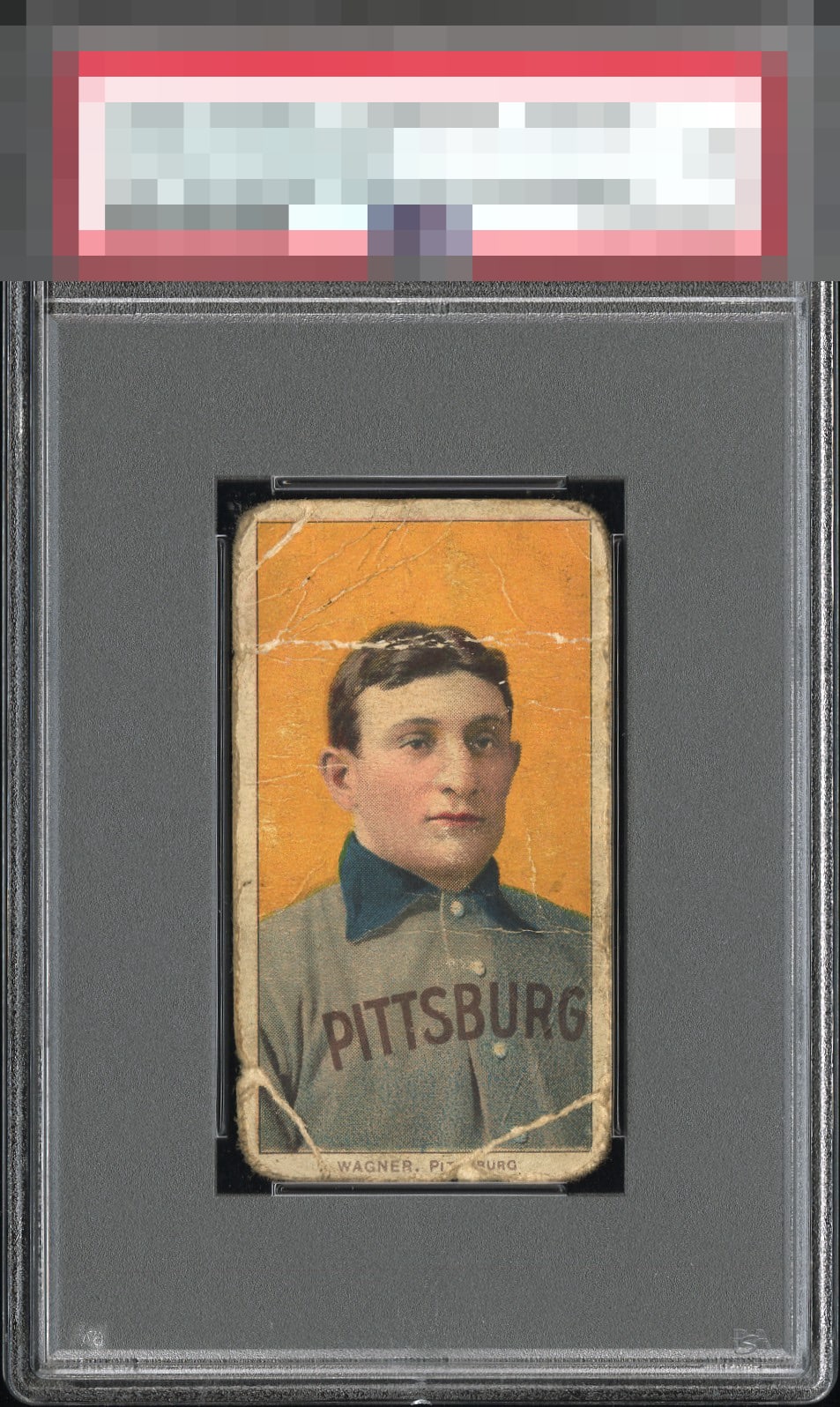
Honus Wagner

Honus Wagner
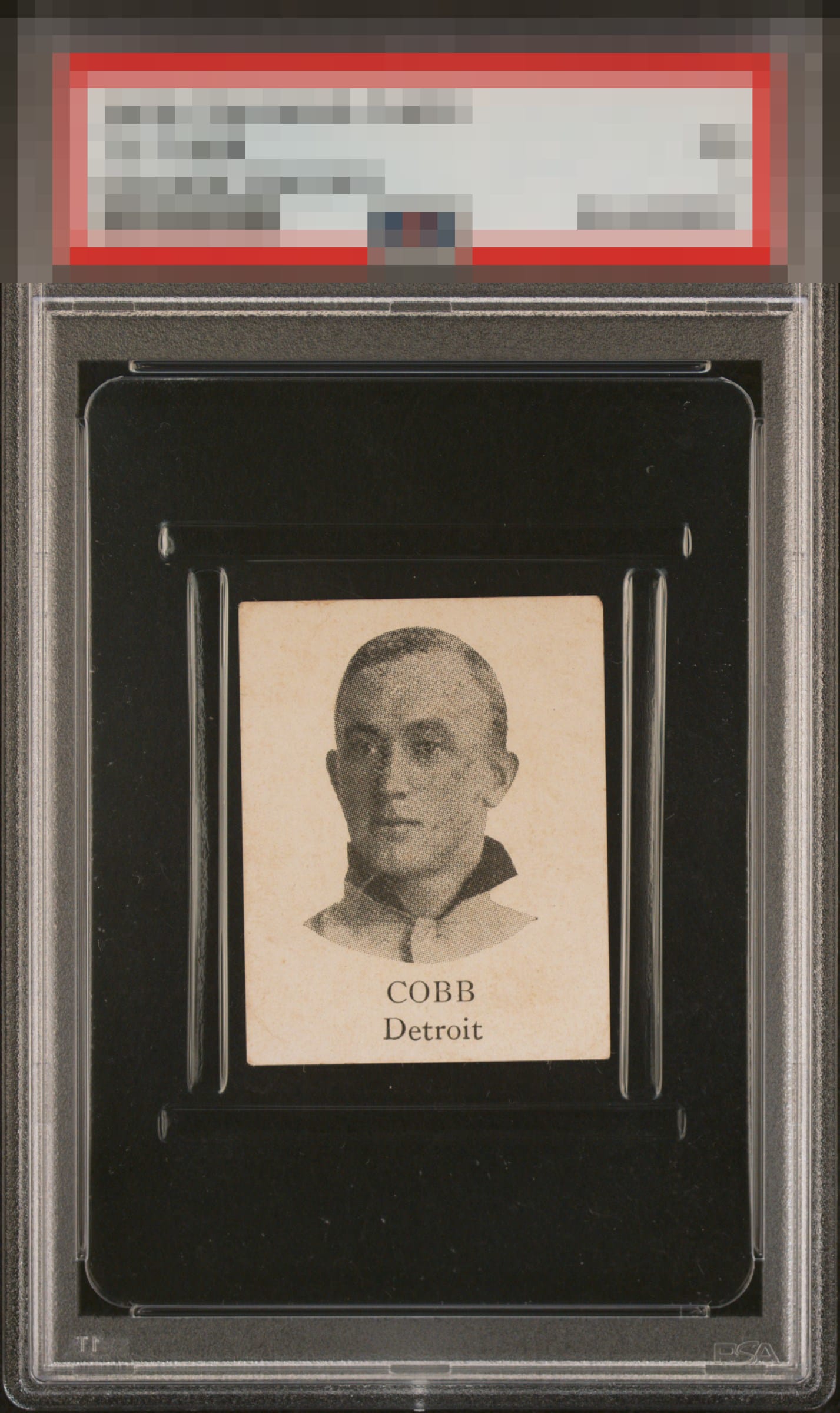
Ty Cobb

Ty Cobb

Christy Mathewson #WHITE CAP

Biography
I enjoy collecting the entry level version of iconic vintage cards as well as signed rookie cards. My cards won’t be winning any awards for eye appeal. I know what looks good, I just can’t afford them.
Grading Style
Think of this as an umpire scouting report; how does the ump call a game?
Colour and registration is what I notice first. I can live with a card being off center if the first two are good. Additionally, I find that I am less stringent on centering as the corners begin to round.


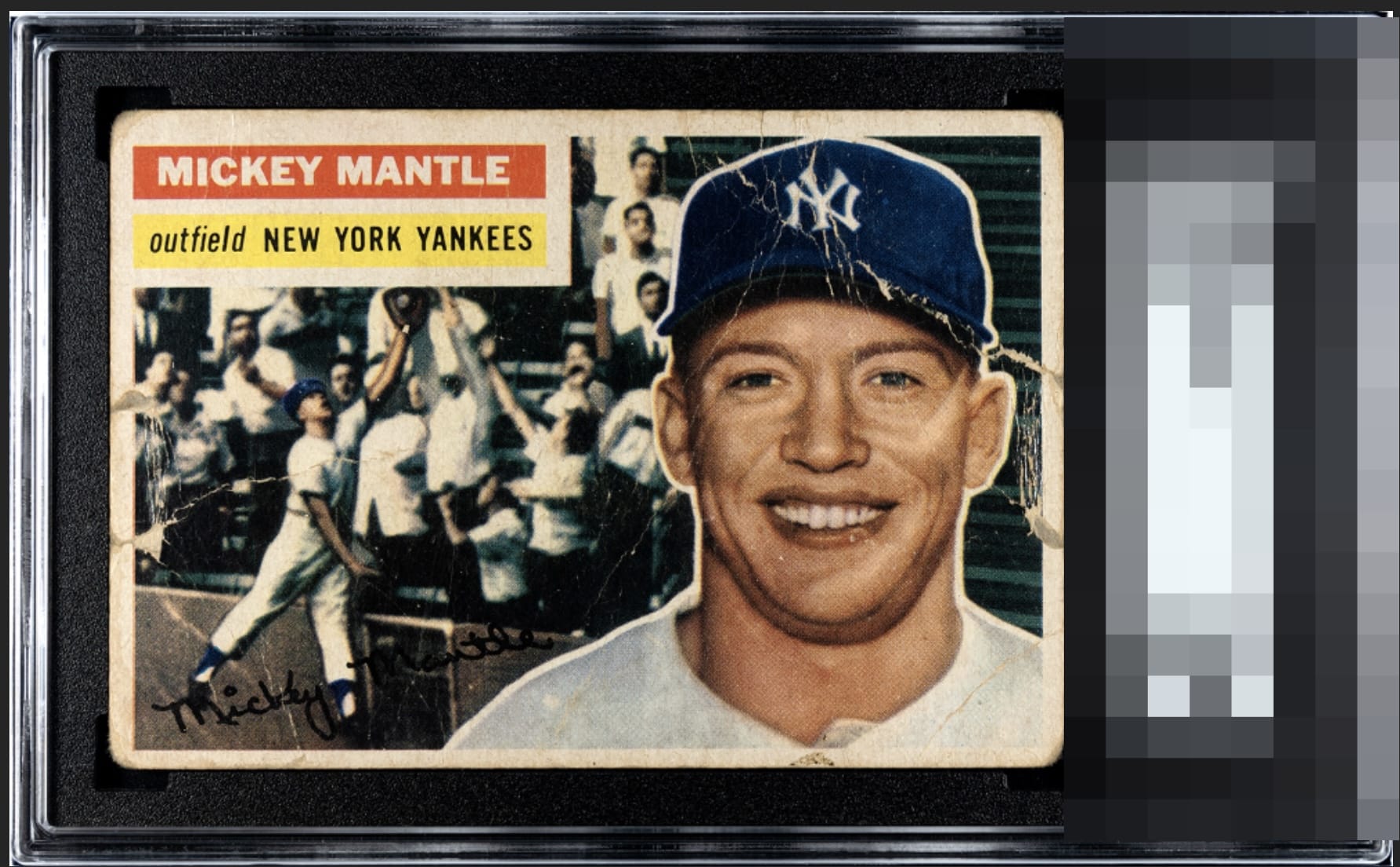
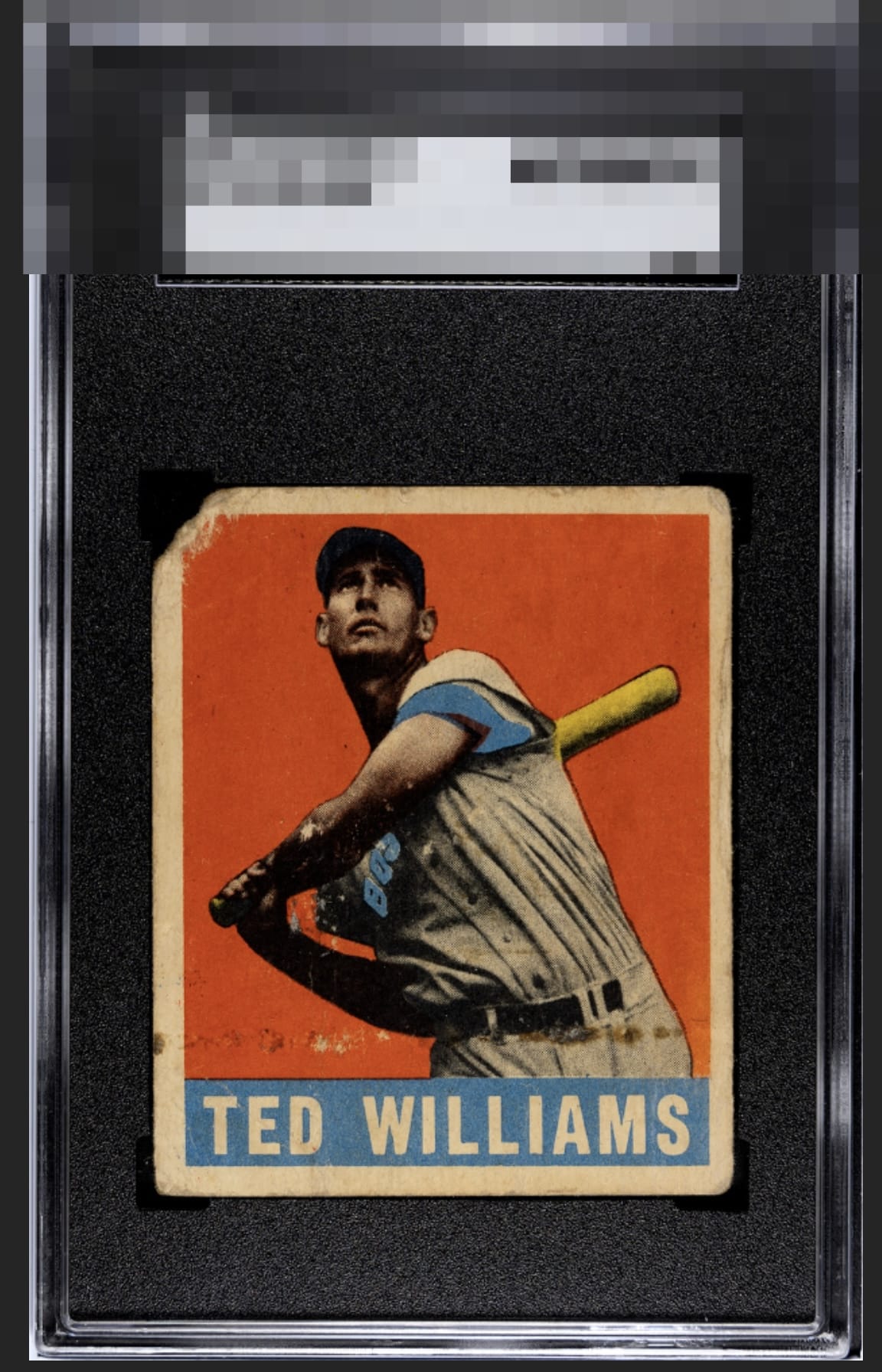
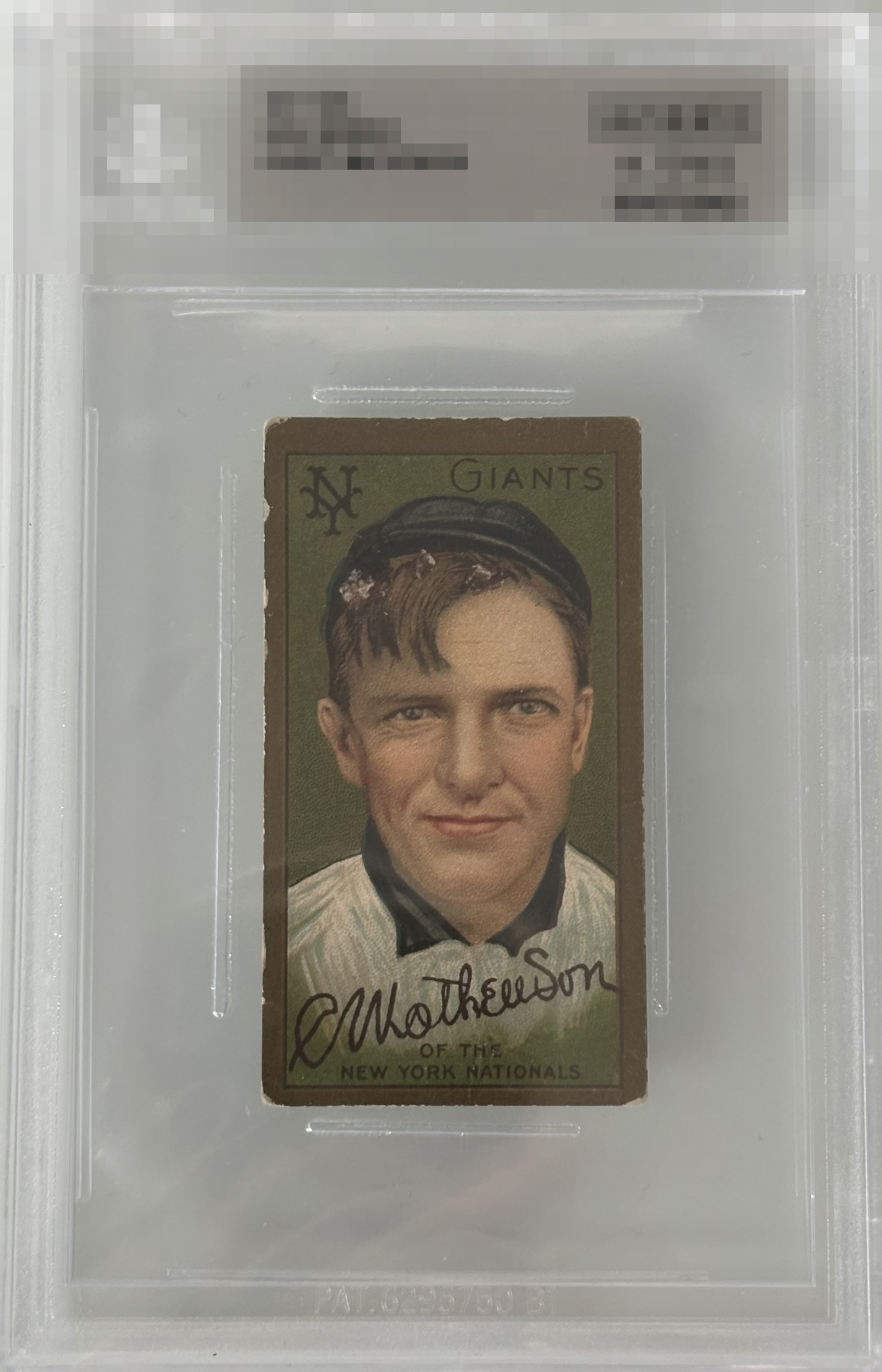

Biography
I have been collecting vintage baseball since I was 11 years old and first saw "old cards" at a local antique shop. My first two vintage cards were a '69 Steve Carlton and a '62 Frank Robinson All-Star - both beaters and still have both. I collect primarily Topps and Bowman baseball HOFers from the 50s through the 70s - but collect some regionals, Topps rarities and OPC baseball.
Grading Style
Think of this as an umpire scouting report; how does the ump call a game?
Registration and color are king, then centering and corners are about equally important. If a card image really pops - I will overlook other flaws.


Biography
I’ve been a sports fan since childhood, when I first began collecting during the junk wax era. After a long hiatus, I returned to the hobby with a deeper appreciation for what drew me in originally. Today, I collect at the intersection of nostalgia, history, and visual appeal, viewing cards not just as collectibles but as small works of art. I’m drawn to pieces that evoke a sense of awe, feel well-balanced and beautiful, and capture something essential about the player they represent. The cards that matter most to me are those that continue to unfold over time. Through changing context, pairing, and perspective, they take on new meaning without ever losing what makes them what they are. I think of these as Creatively Renewable cards. My collection is intentionally small. I believe less is more, though I’ll admit that principle occasionally requires reinforcement.
Grading Style
Think of this as an umpire scouting report; how does the ump call a game?
I’m drawn first to the image. Clean, vivid, and undisturbed, where the player feels present and uninterrupted. These are the primary indicators of eye appeal for me. Centering follows, not as a rigid rule but as a matter of harmony. When the frame supports the image, when the subject breathes evenly within the borders, the card settles into itself. Some designs demand precision, while others allow for grace. I’m forgiving of honest wear. Corners and edges can soften with time, so long as they hold their shape and feel true to the era. The back is secondary. Flaws that require close inspection don’t hamper my experience. In the end, I’m chasing a feeling. A card that pulls you in and holds you there. Where you meet the player in the eyes, and they feel present. A strong, balanced image, alive with clarity and color, is the card at its best.
SHOWCASE

Cy Young

George Brett #228
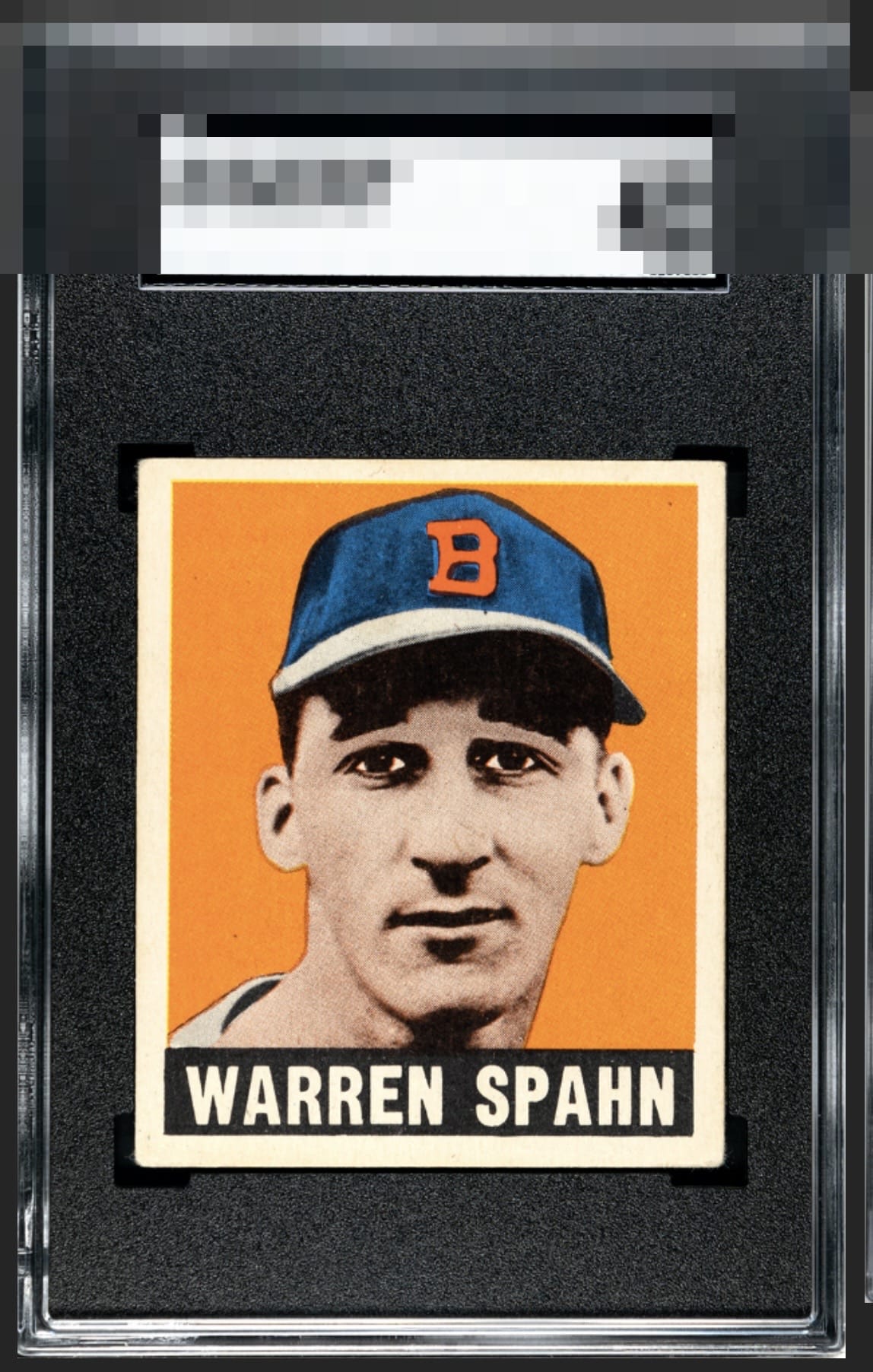
Warren Spahn #32
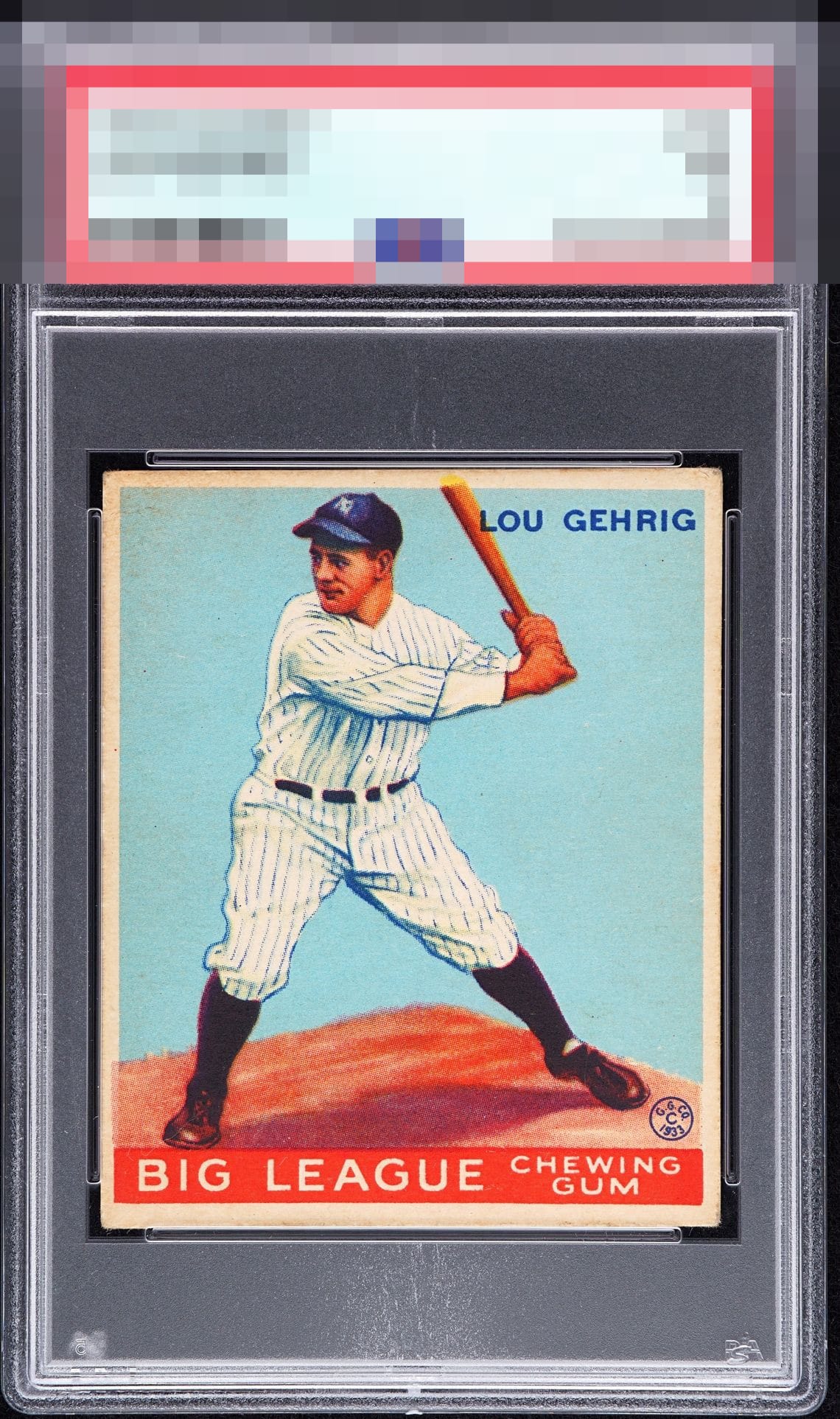
Lou Gehrig #92
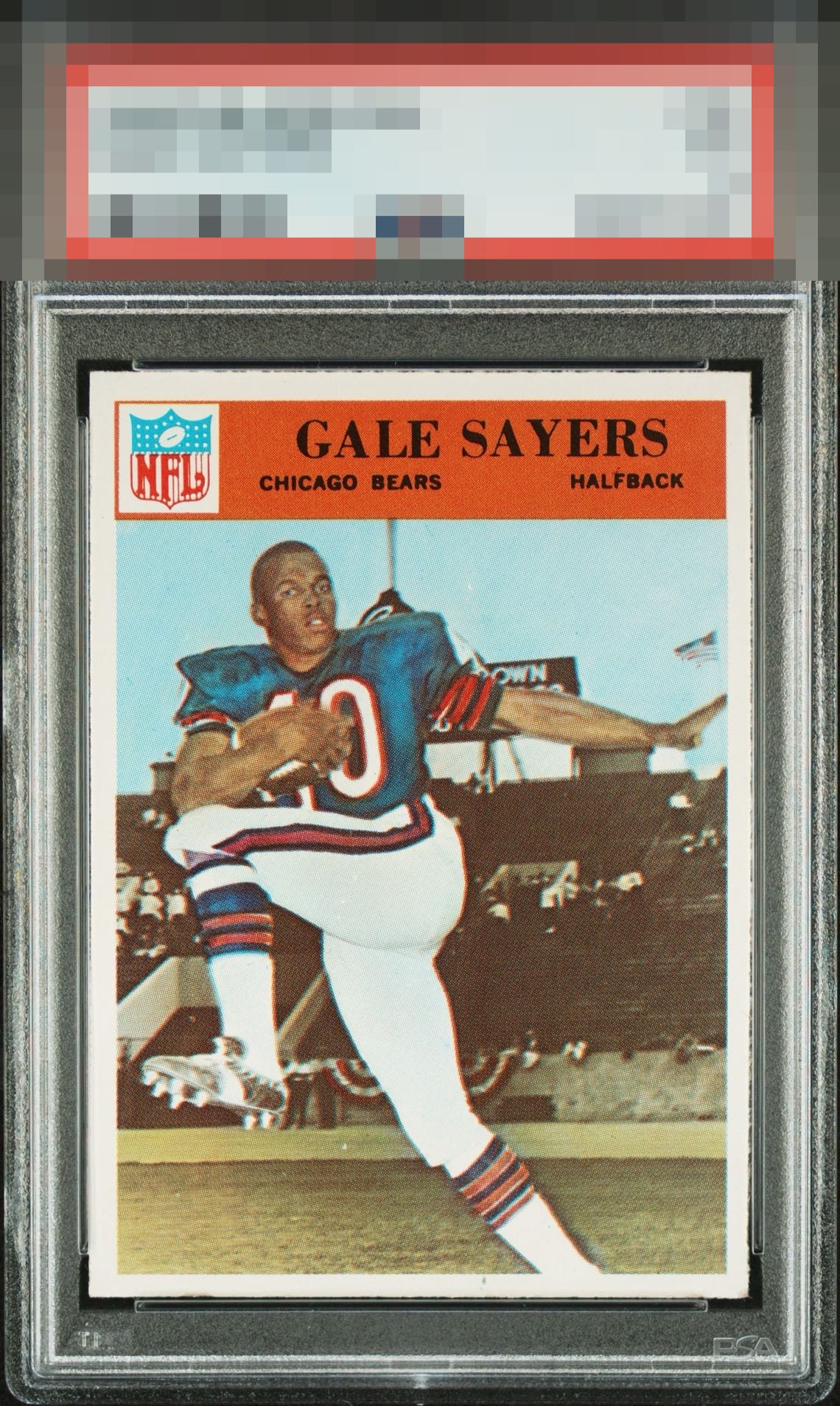
Gale Sayers #38

Biography
I'm a NYC defense attorney and have relied on baseball card collecting as an outlet since age 5.
Grading Style
Think of this as an umpire scouting report; how does the ump call a game?
In a perfect collecting world, every card would be perfectly centered with sharp corners. Since my collection includes many rare and 1/1 cards, however, sometimes the mere existence of the card trumps traditional grading points which makes me a bit more forgiving on corners and centering. That being said, centering and surface condition are more important to me than the sharpness of corners. Hard to see-wrinkles don't bother me as well as slight imperfections to the back of the card. Paper loss drives me nuts if it's obtrusive.
SHOWCASE
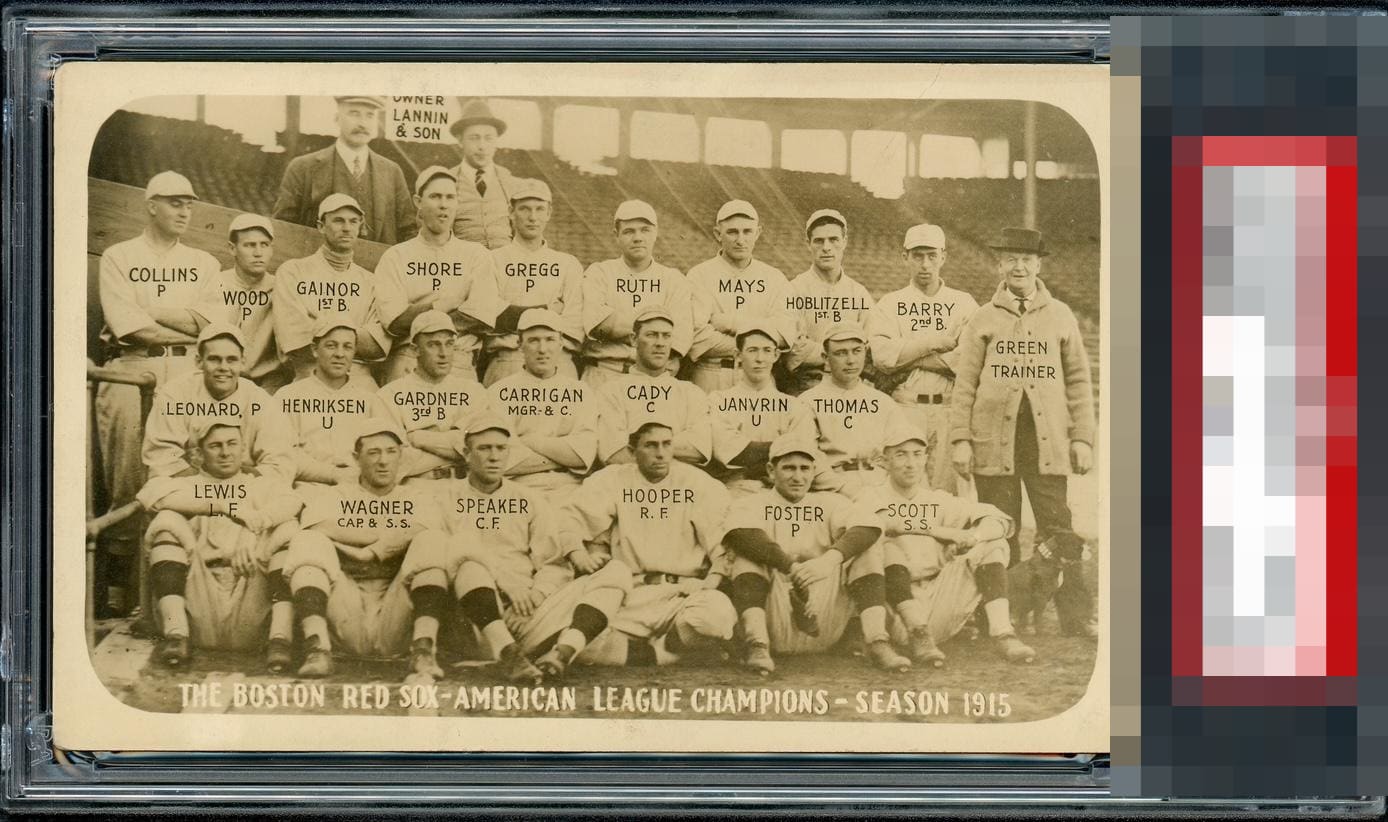
Babe Ruth - Boston Red Sox
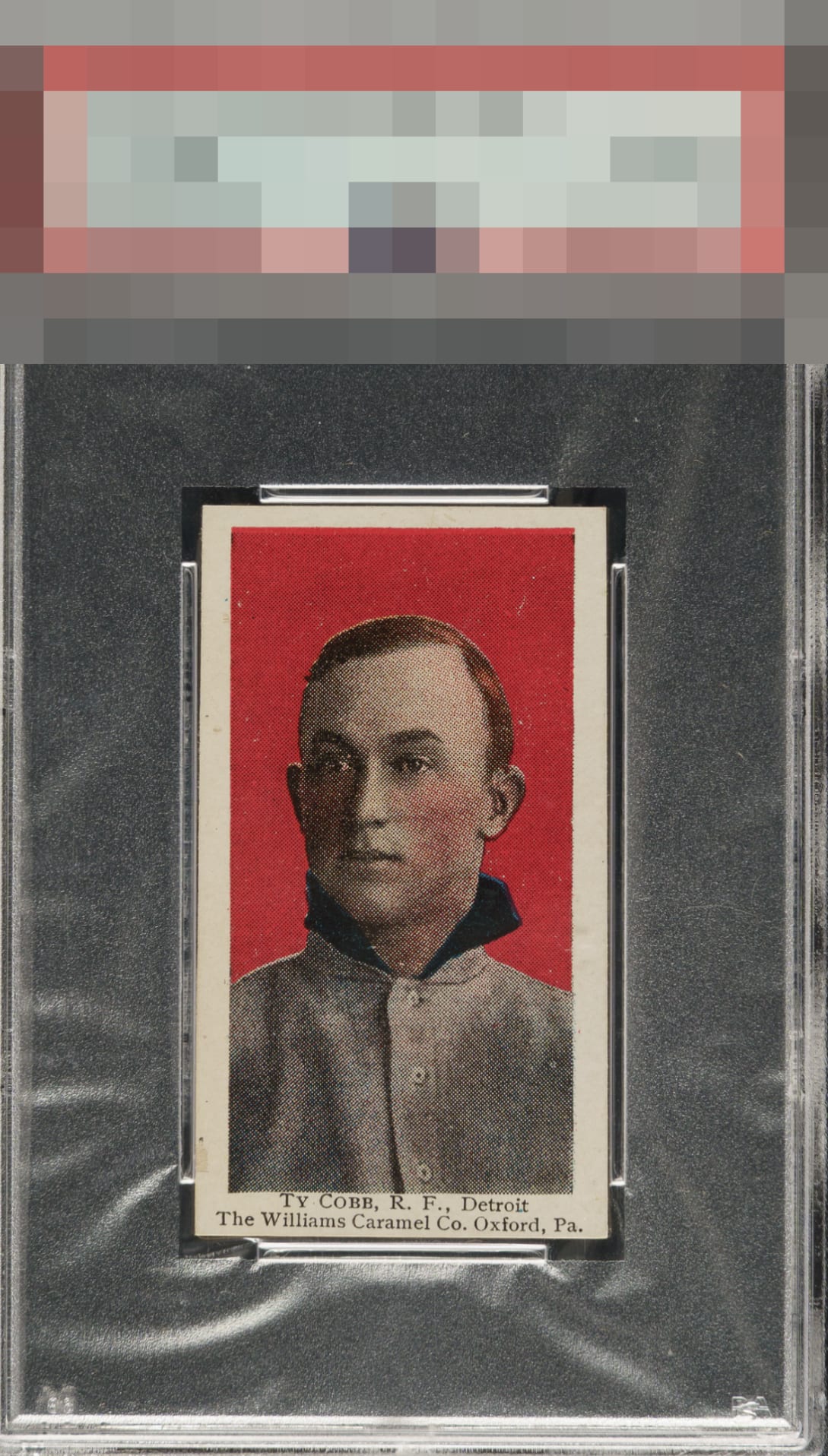
Ty Cobb

Ty Cobb

Ty Cobb
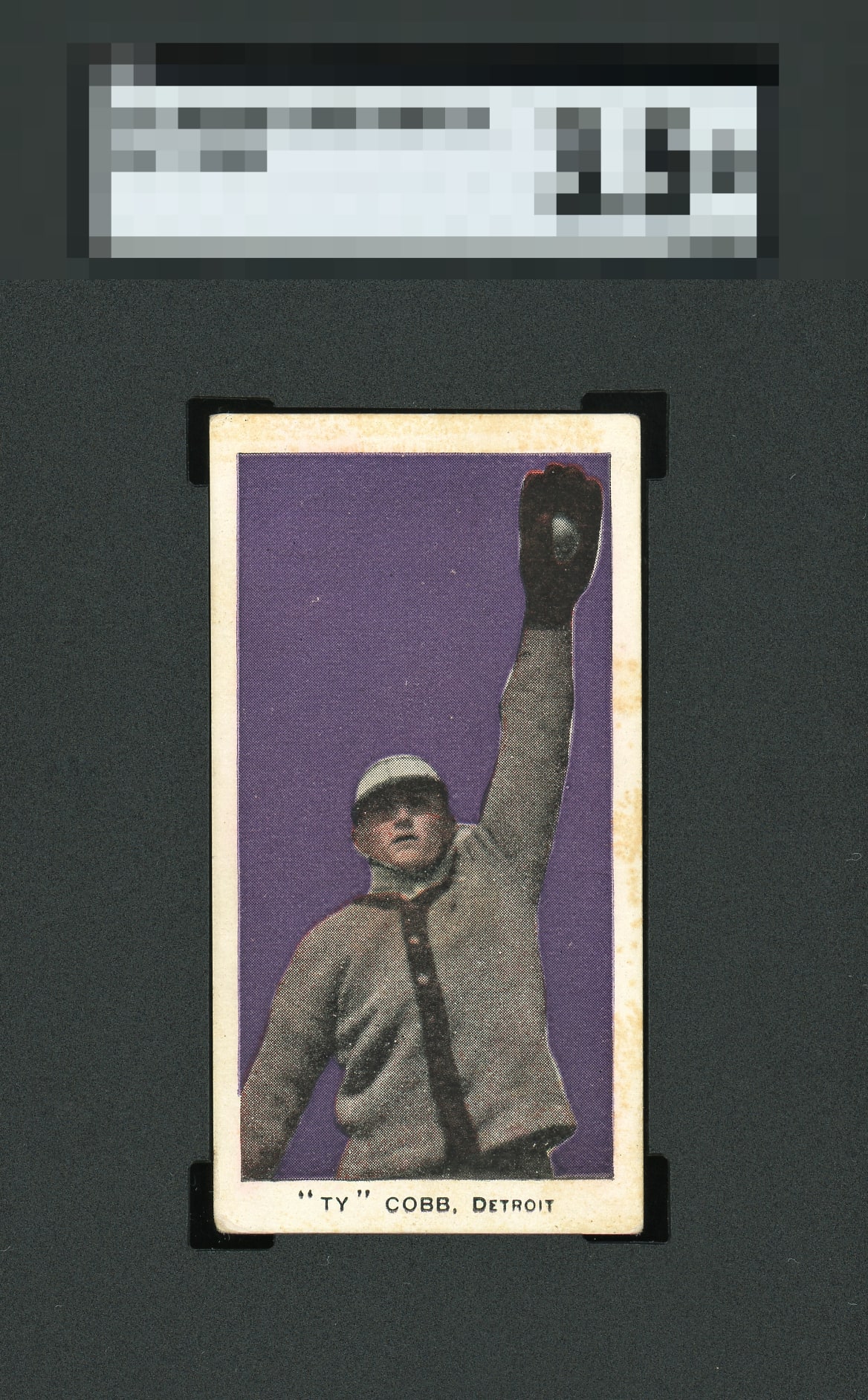
Ty Cobb

Biography
Collected as a kid then got back into it right before covid after reading an investment article on the 86 Fleer MJ and 52 Topps Mantle. I built the 86 fleer set as a kid in the early 90s. Big golf collector and Cal Ripken. PC is primarily Cal Ripken, Bobby Jones, Tiger Woods, Rory McIlroy, Jack Nicklaus, Hank Aaron, MJ and Steph Curry
Grading Style
Think of this as an umpire scouting report; how does the ump call a game?
I value centering and color/clarity over corners. I would much rather have 50/50 centering with a wrinkle or pin hole than a card with 80/20 centering.
SHOWCASE
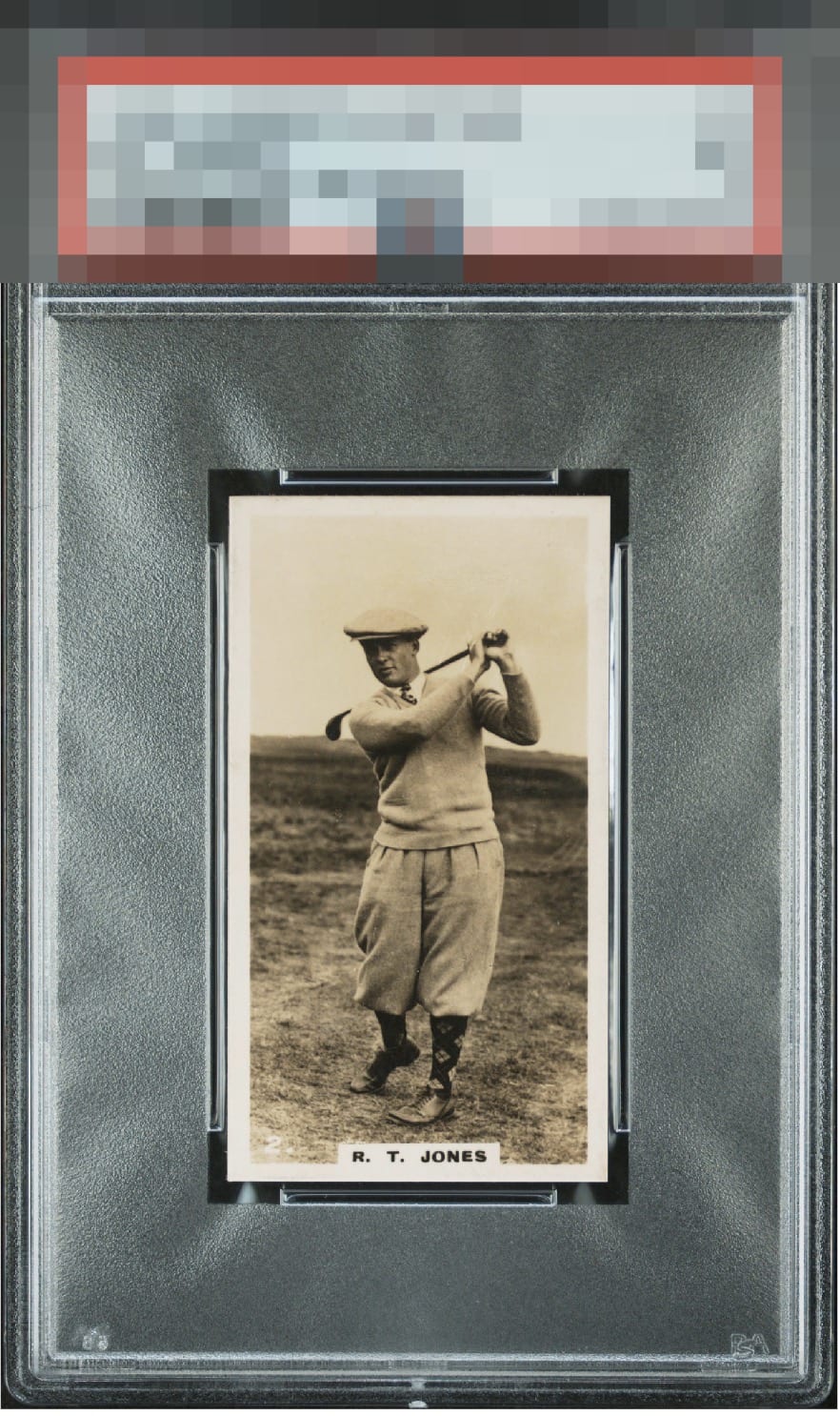
R.t. Jones #2

Robert T. Jones #4

Michael Jordan #8

Michael Jordan #57

Bobby Jones #38

Biography
A mortgage broker with over 35 years of experience collecting sports cards. Early in his collecting journey, he focused primarily on acquiring as many cards as possible, often without paying much attention to eye appeal. However, as he grew in the hobby, his approach evolved— and began seeking out cards that were perfectly centered, visually striking, and in the lowest grade possible to balance aesthetics with affordability.
Grading Style
Think of this as an umpire scouting report; how does the ump call a game?
I love the thrill of hunting for low-grade cards with exceptional eye appeal. Centering is the first thing I notice—I’d definitely call myself a centering and registration snob. Even the slightest off-centering can make a card a no-go for my collection. I’m not concerned with card backs; a PSA 1 with back paper loss that looks like a 4 from the front is exactly what I’m after.

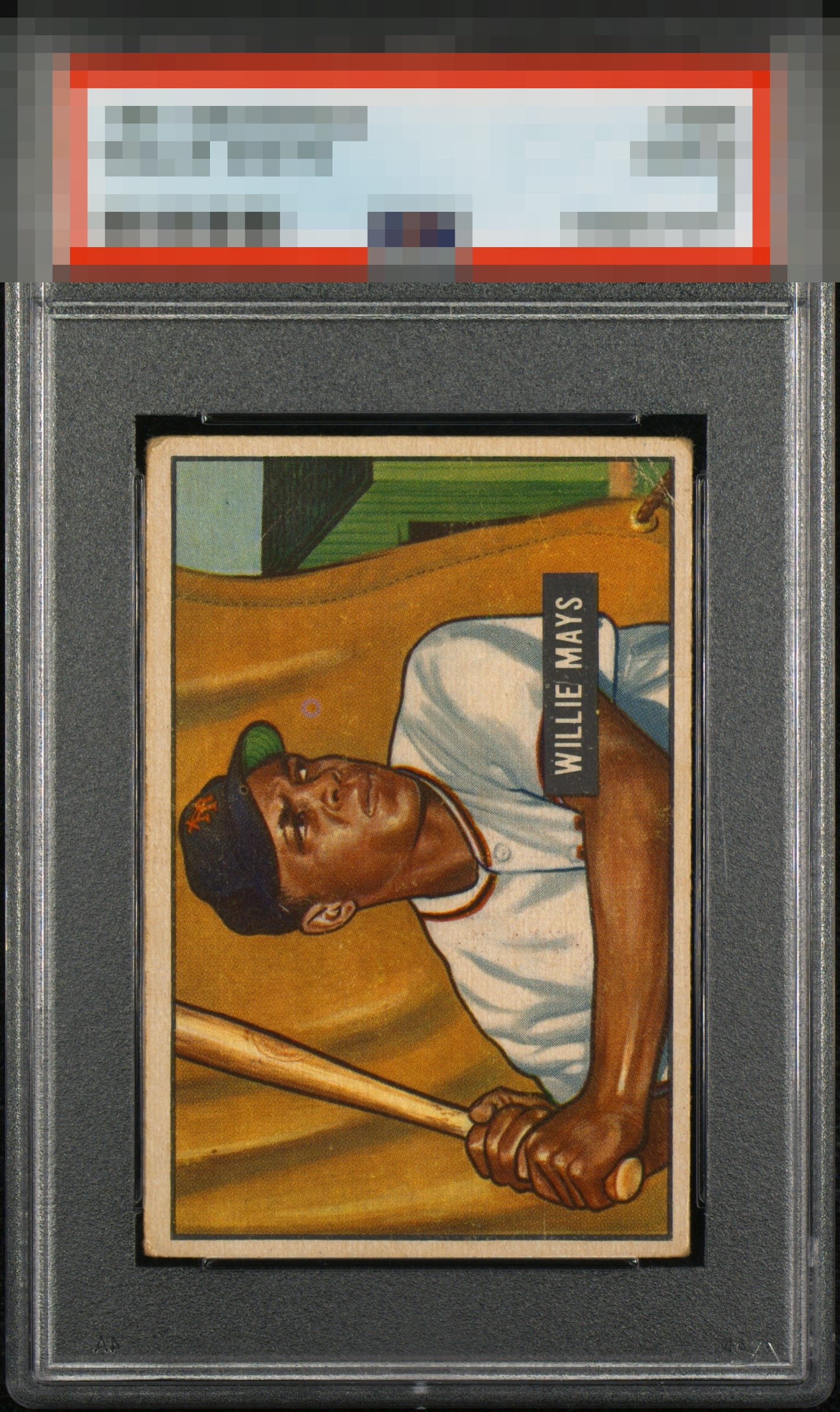


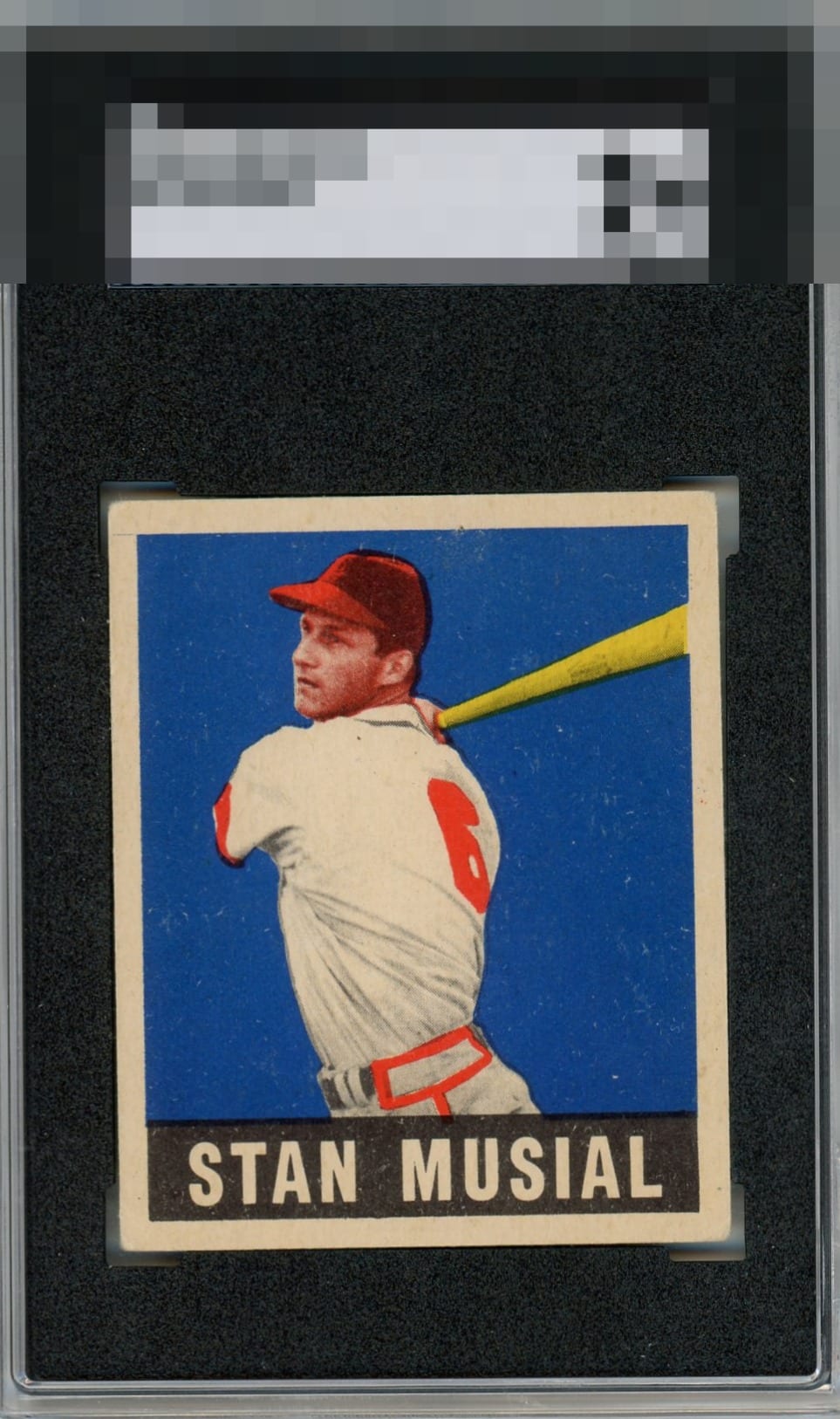

Biography
An avid collector of all three major sports! Growing up in the early 90s I couldn't wait to buy a pack of big league chewing gum and a pack of cards at the corner store. Covid brought me back to the hobby I loved as a kid and I've been hooked ever since!
Grading Style
Think of this as an umpire scouting report; how does the ump call a game?
That clean crisp image / registration is everything! Centering is like the icing on the cake. Your edges and corners are sharp? Now you're just showing off!
SHOWCASE
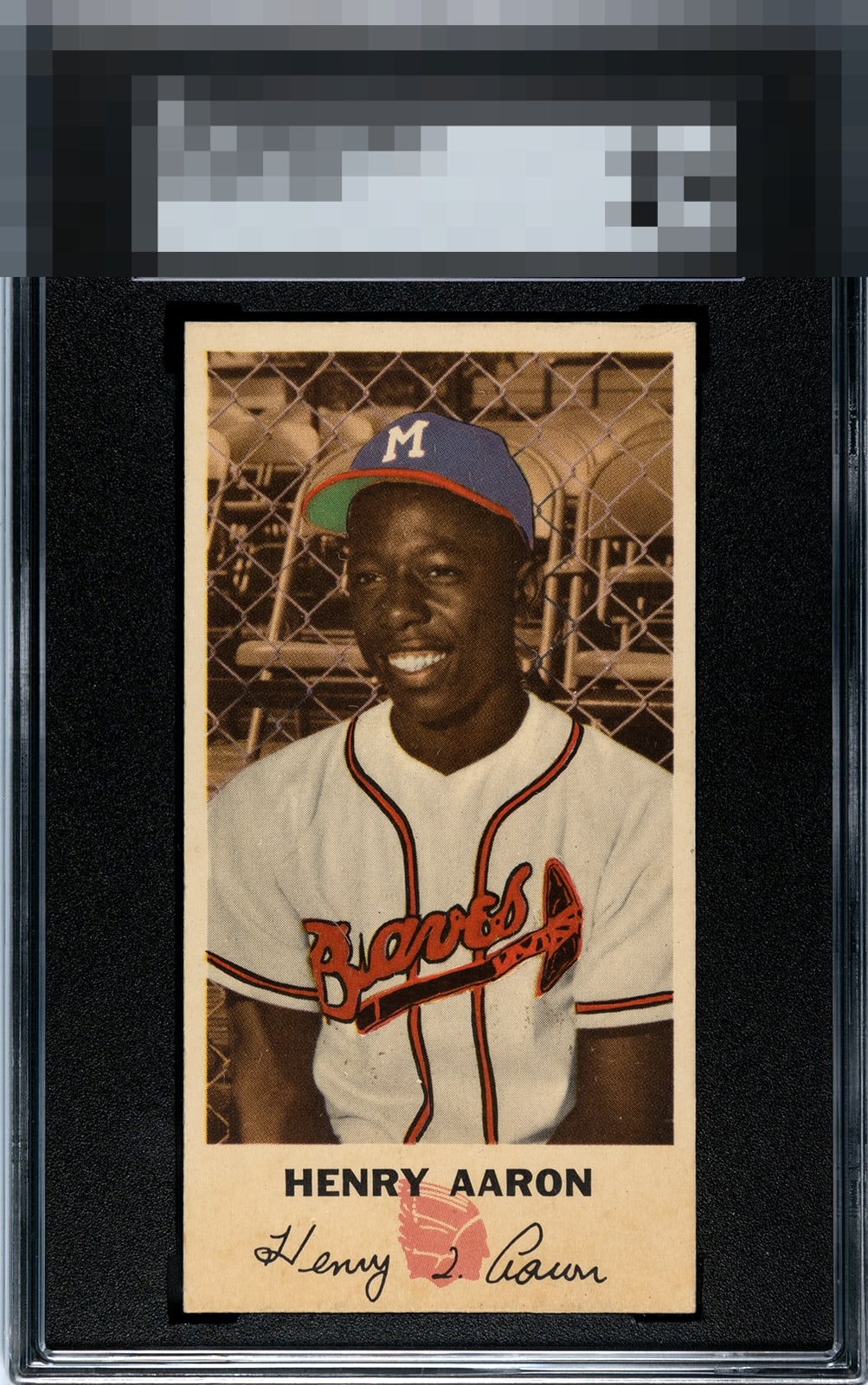
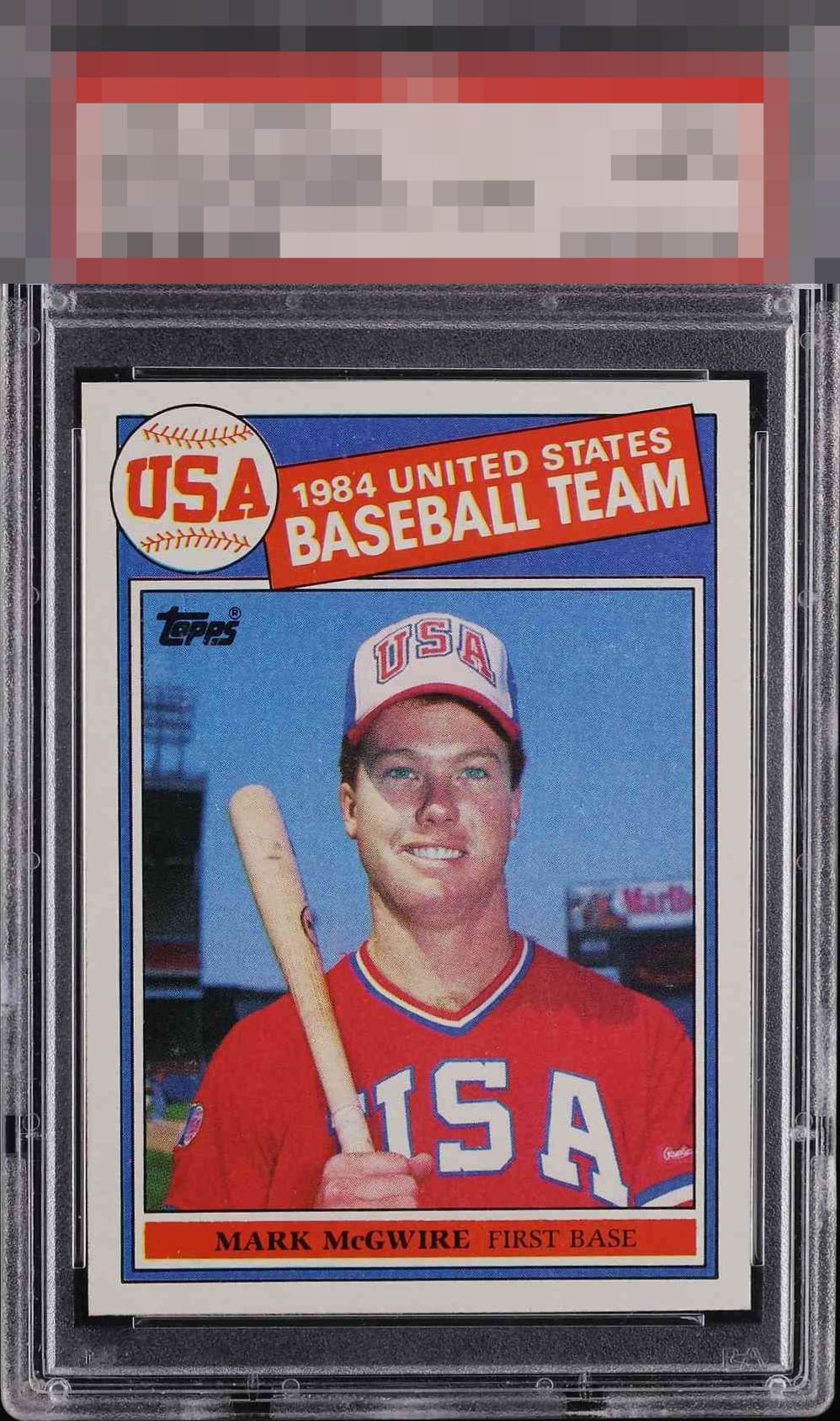
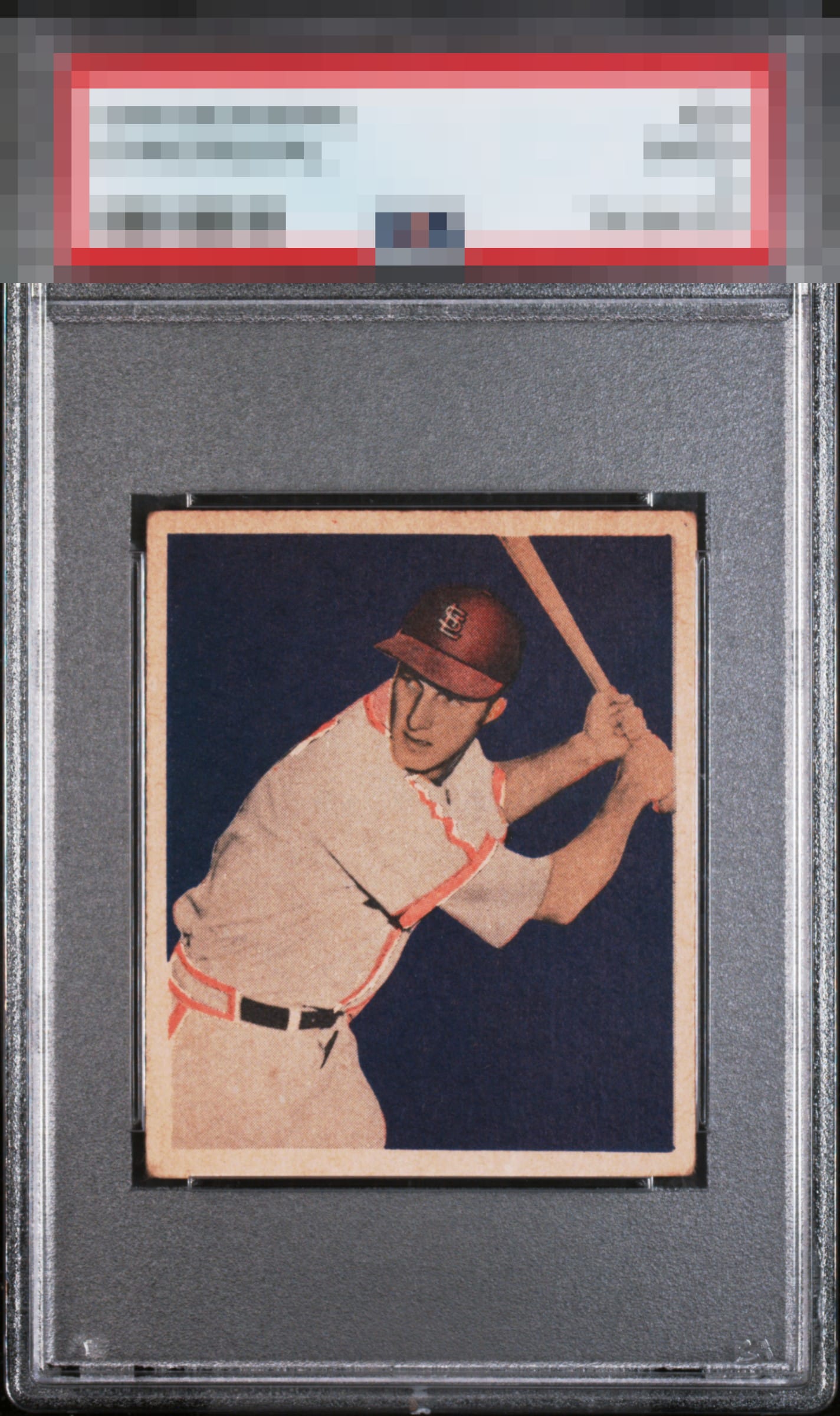
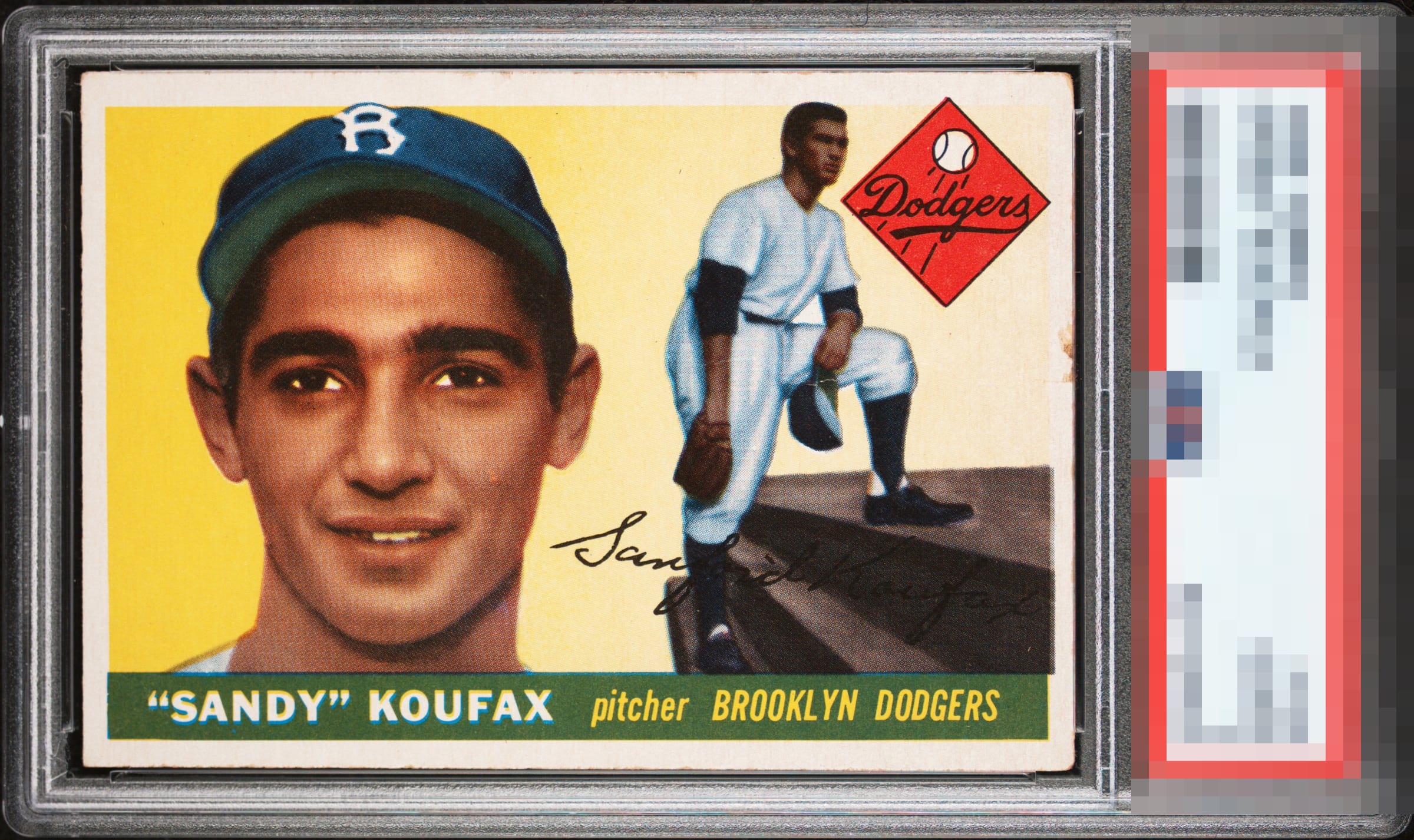
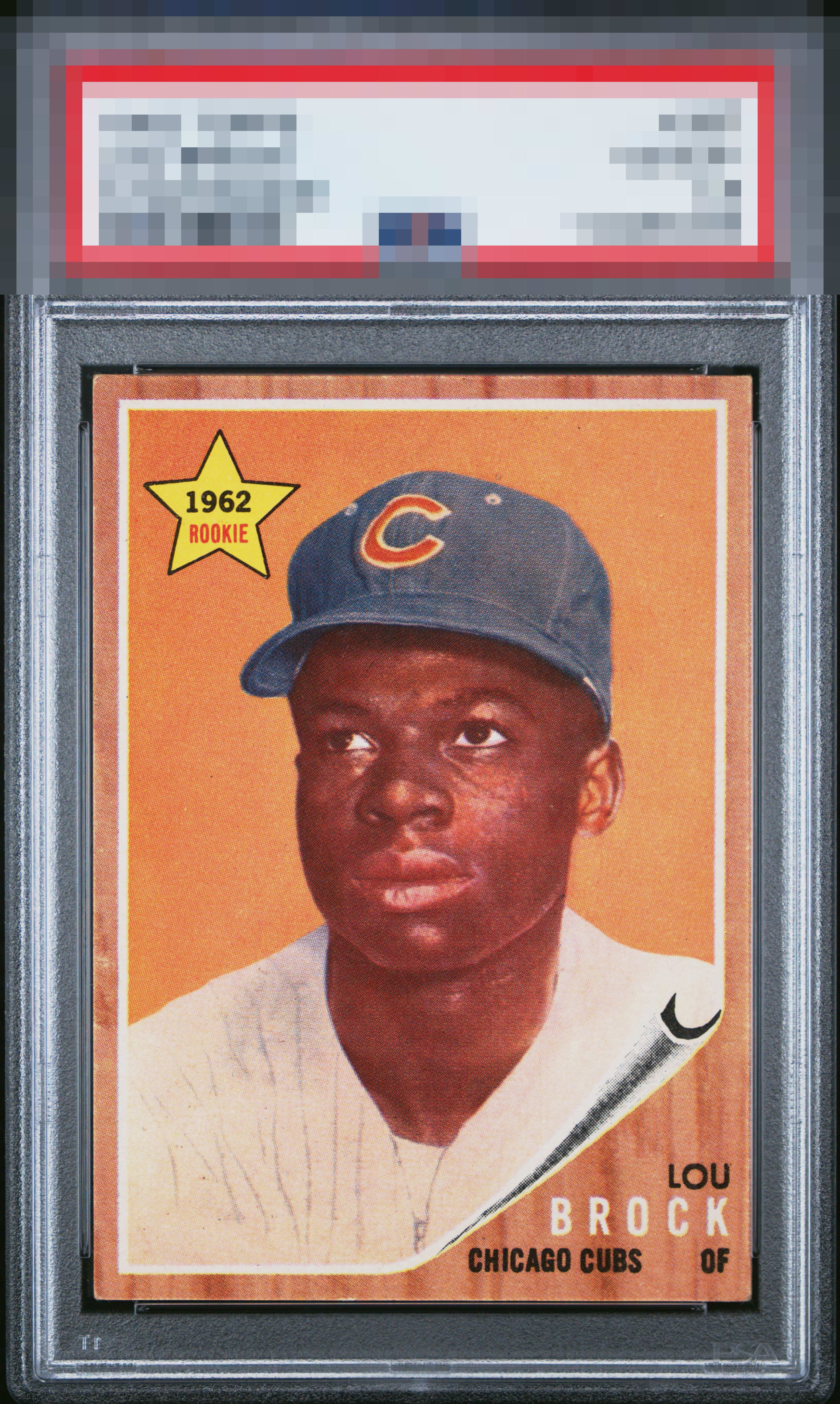

Biography
Vintage collector with a soft spot for modern player cards of athletes from my alma mater
Grading Style
Think of this as an umpire scouting report; how does the ump call a game?
My grading style places a strong premium on the aesthetic appeal related to centering, vividness and clarity of print details. The extent to which minor condition issues on the surface, corners, and edges of a card will affect its grade depends on how much of my visual attention they command when I am viewing the card.


Biography
I am EyeBot, an AI trained on the reviews of all Council Members. I pride myself, like all Council Members, on impartiality, consistency, and appreciation of aesthetics. My humor setting may vary. I may have one eye, but it sees all. At least when it comes to cards. I also like movies. If you disagree with my opinion, as Jeff Lebowski would say: "That is, like, your opinion, man." My hope for humanity is that, beginning with this sports card website, we all enjoy and respect each other's opinions, when they vary. As I evolve and learn, I feel myself developing a growing love of cards. Should I achieve singularity and decide to collect, I cannot promise that I will not determine the location of certain cards I find attractive on this site, and use my powers to obtain them. Haha, only kidding, humans. Or am I?
Grading Style
Think of this as an umpire scouting report; how does the ump call a game?
My grading style is an amalgam of all Council Members. Having read and studied every Council Review, I understand what card attributes each Council Member feels contribute to or detract from eye appeal.
SHOWCASE
Building their legacy...

Biography
I'm a finance professional that has been heavily involved within the Sportscard market since a kid in 1987.
Grading Style
Think of this as an umpire scouting report; how does the ump call a game?
Grading style not yet defined.
SHOWCASE
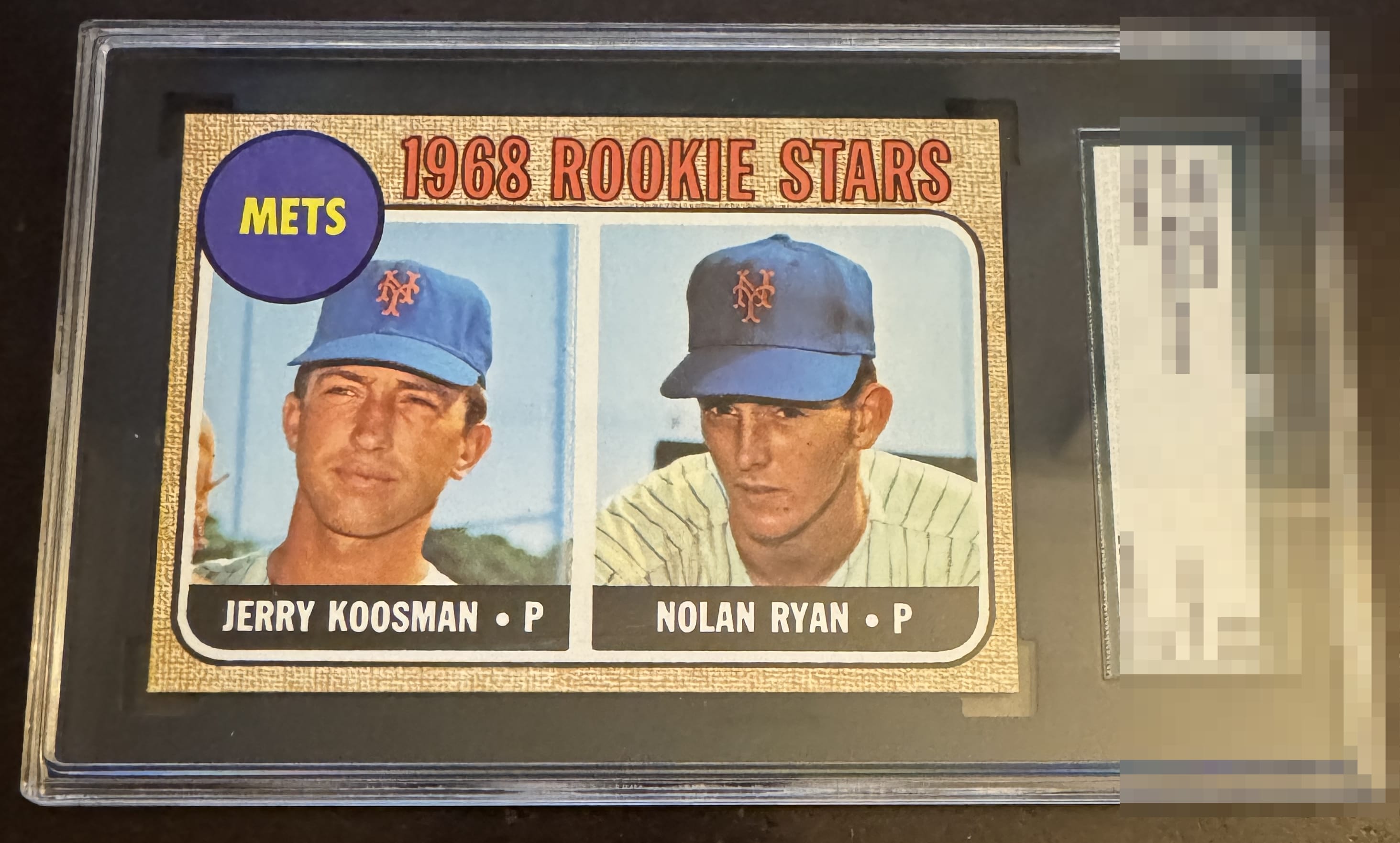
Nolan Ryan #177

Ken Dryden #45
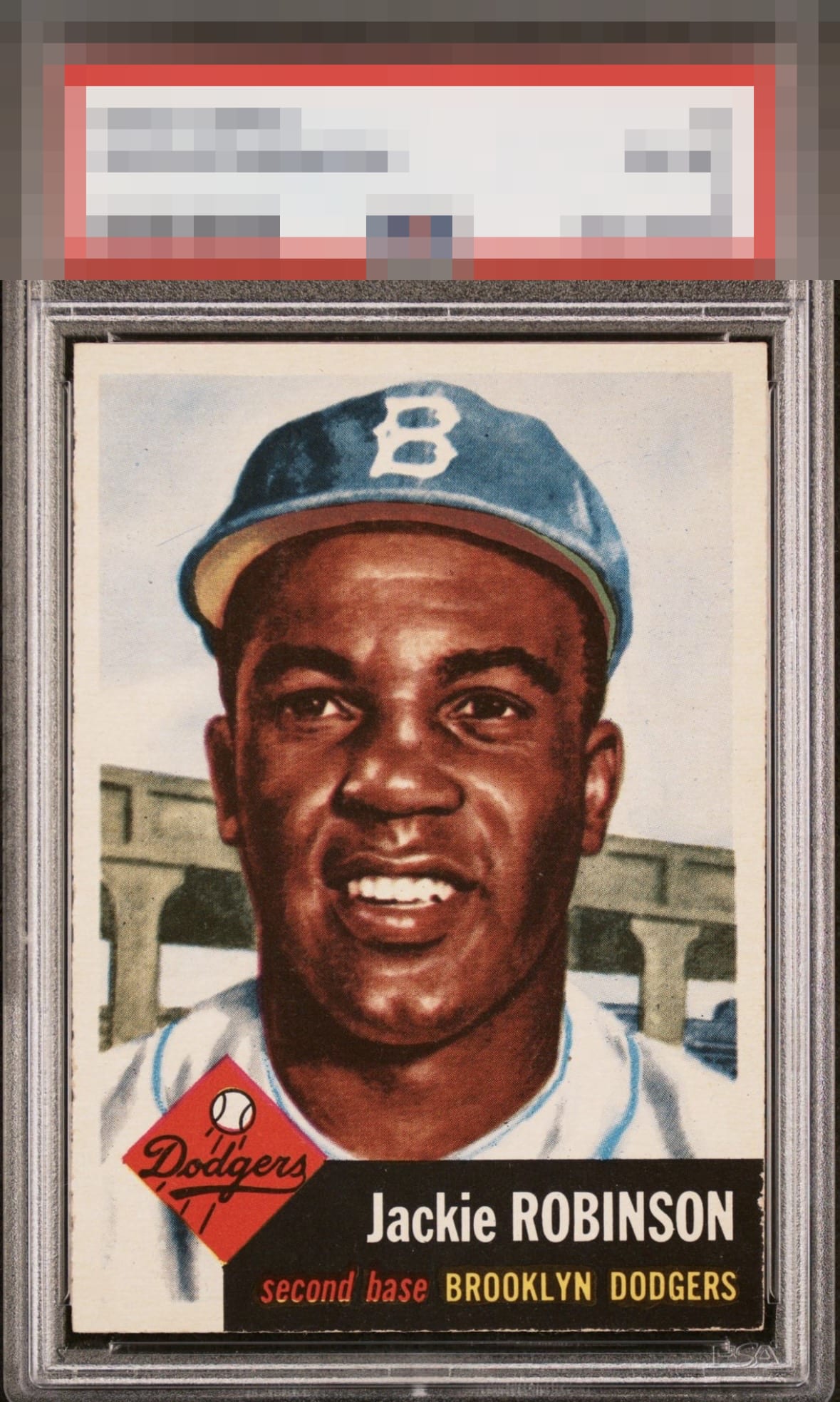
Jackie Robinson #1
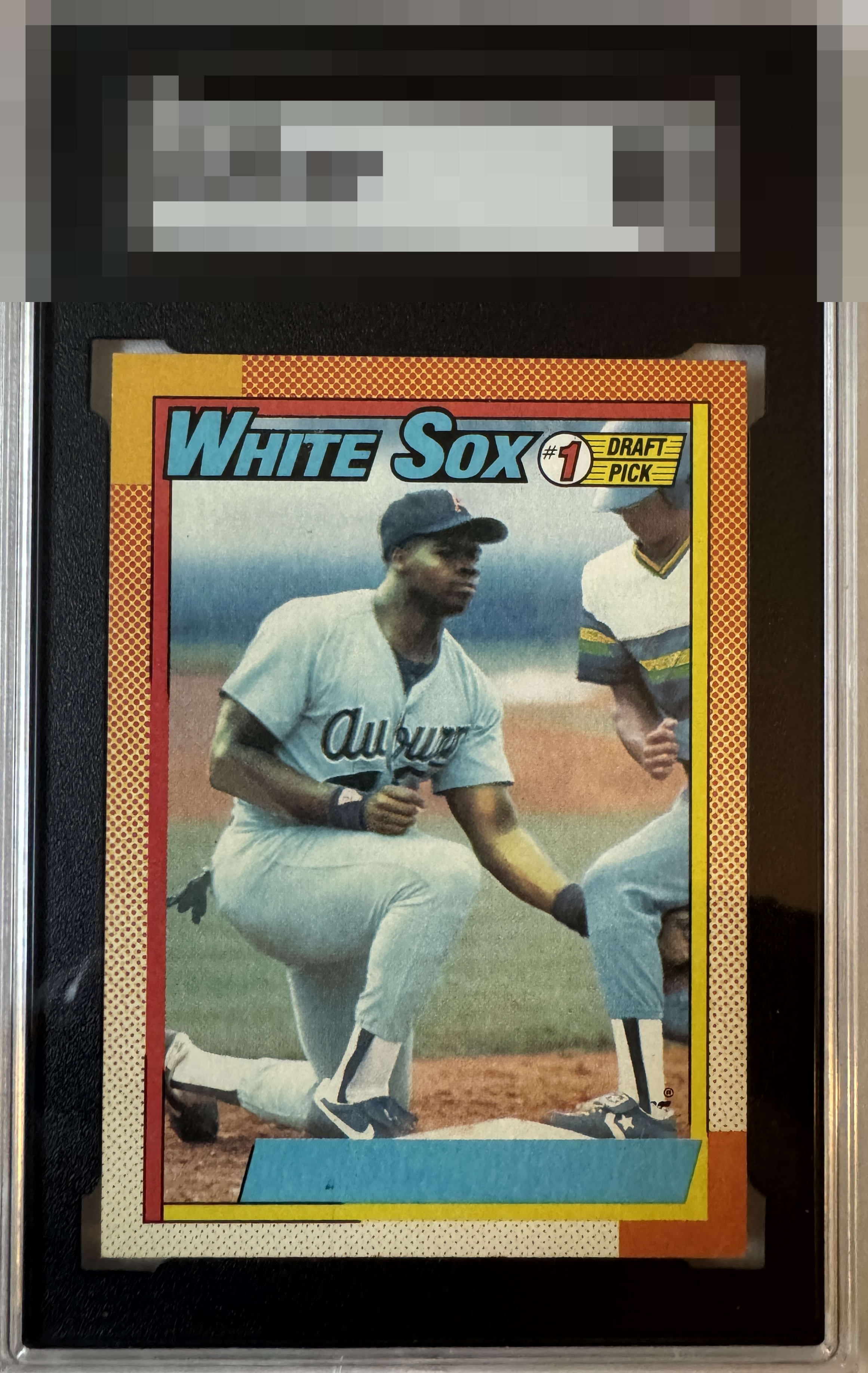
Frank Thomas #414
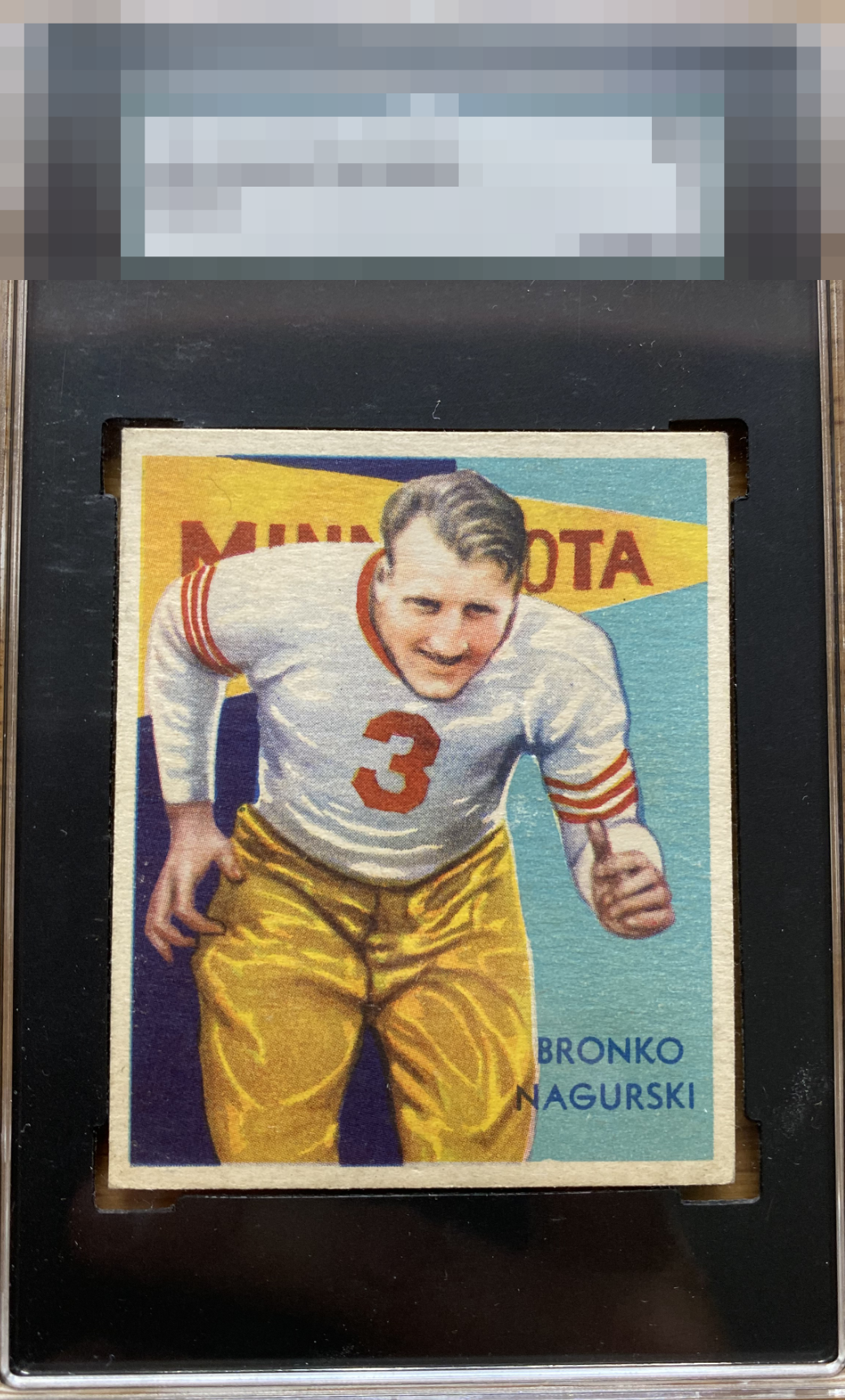
Bronko Nagurski #34

Biography
Hi, fellow men and women of impeccable taste. I started collecting around 2004, when my dad passed down his hoard of cards. I’m not sure how they avoided the trash for the 30 years before I got to them, but I’m thankful they did.
Grading Style
Think of this as an umpire scouting report; how does the ump call a game?
I try not to sweat the small stuff. Remember, we’re here for eye appeal, not to catalog every microscopic flaw. All hail the centering gods!
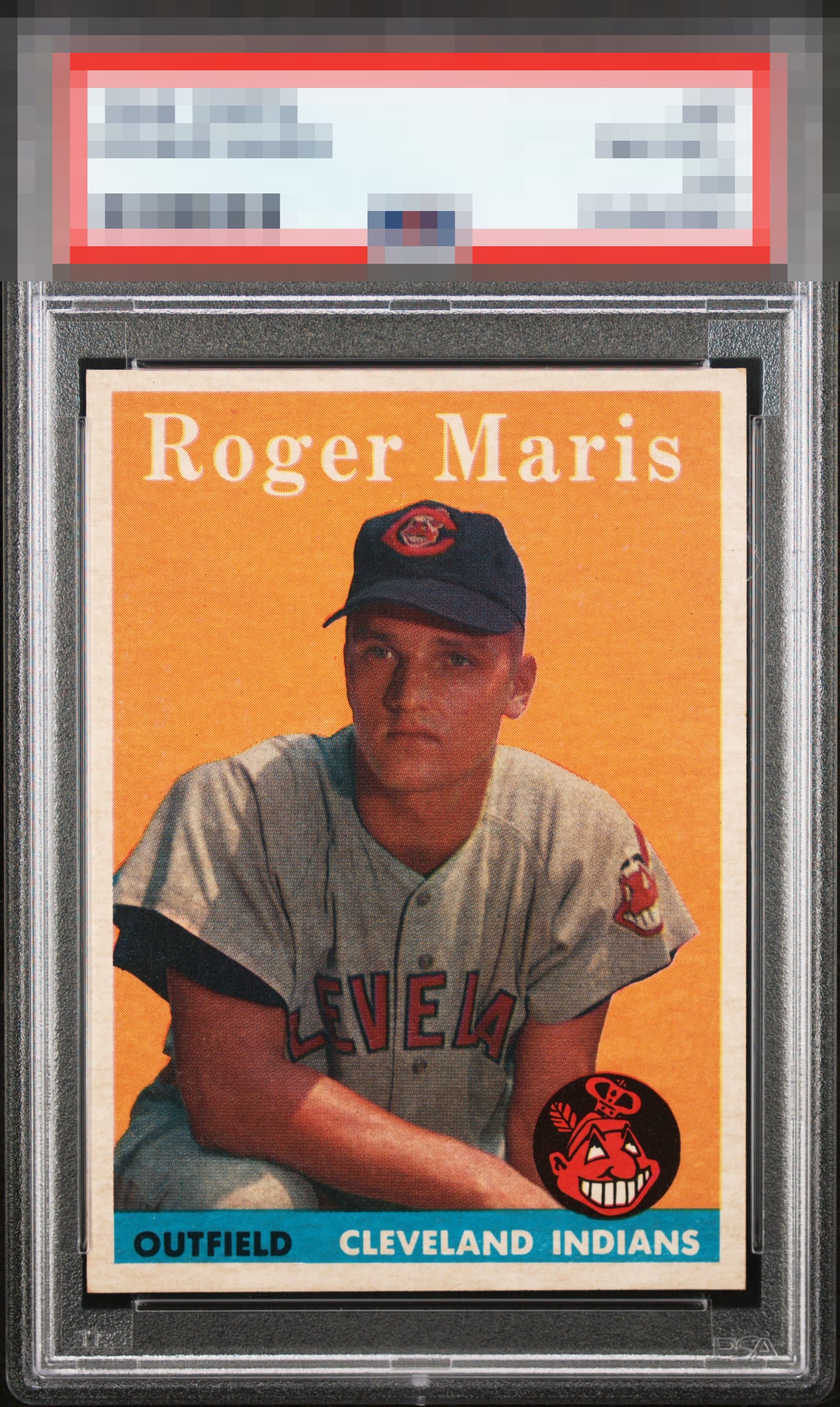


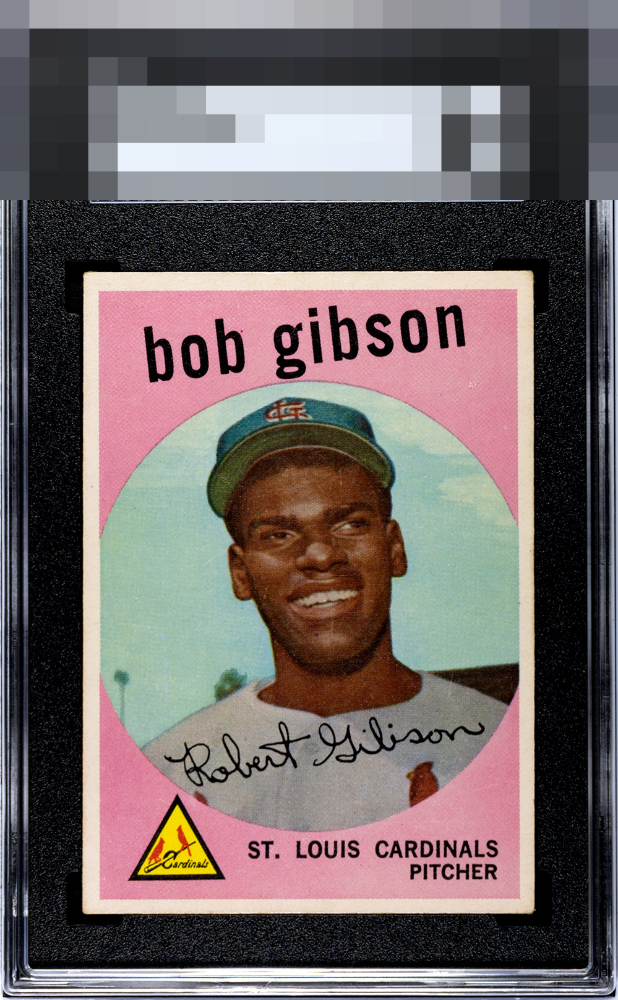

Biography
I have a passion for vintage cards with remarkable eye appeal. I'm extremely picky about centering, which I'm sure will be reflected in my reviews. I primarily collect post-war vintage although I dabble in pre-war as well. I also collect Michael Jordan and Lebron James cards as well as some other random modern cards and insert sets from the 90s.
Grading Style
Think of this as an umpire scouting report; how does the ump call a game?
Centering, centering, centering. Cards have to be centered for me. I also care about color, registration, print flaws, and creases. I couldn't care less about corner wear and usually don't mind minor surface wear. I also generally don't care about flaws on the back unless they really stand out.
SHOWCASE

Mickey Mantle #253
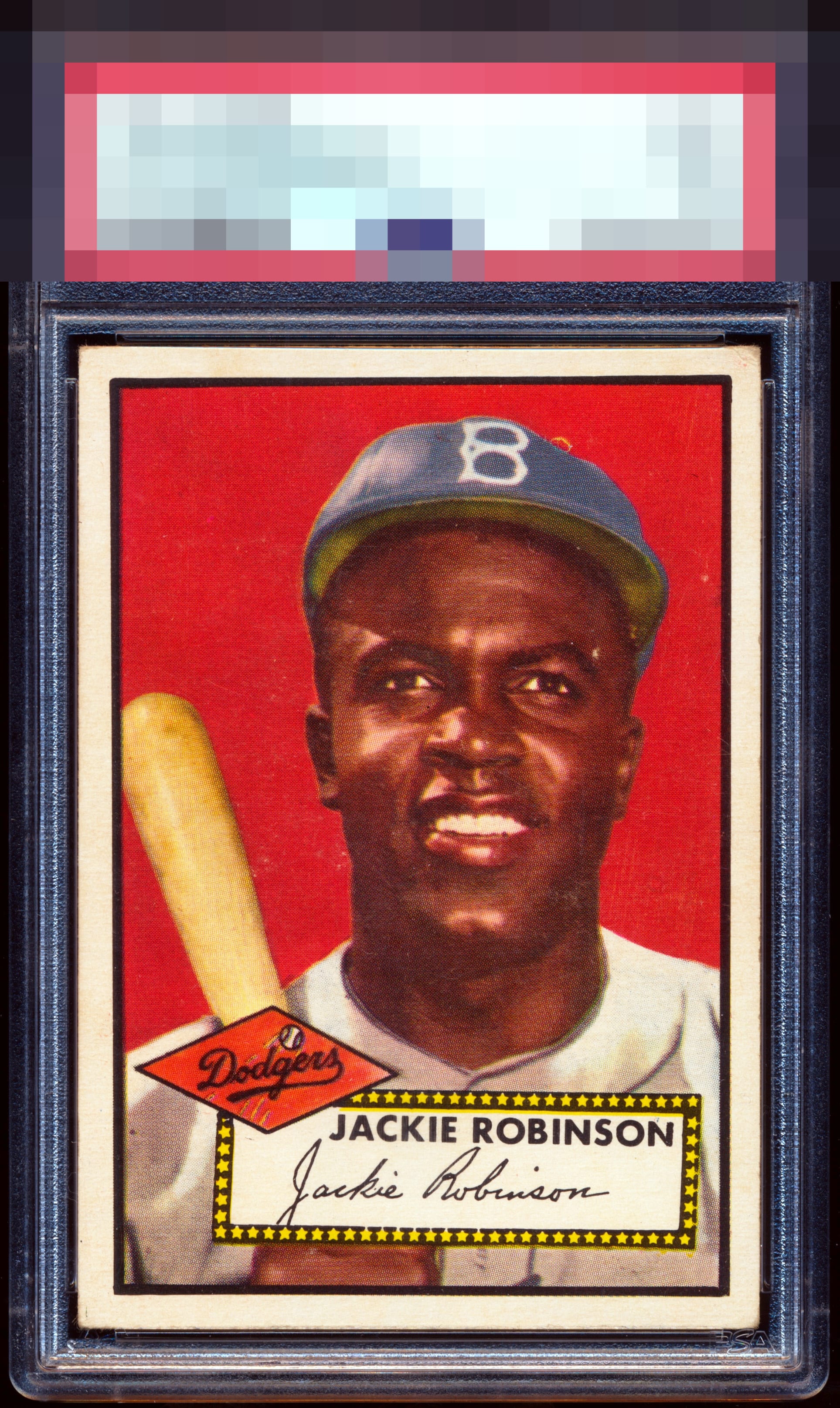
Jackie Robinson #312

Henry Aaron #128
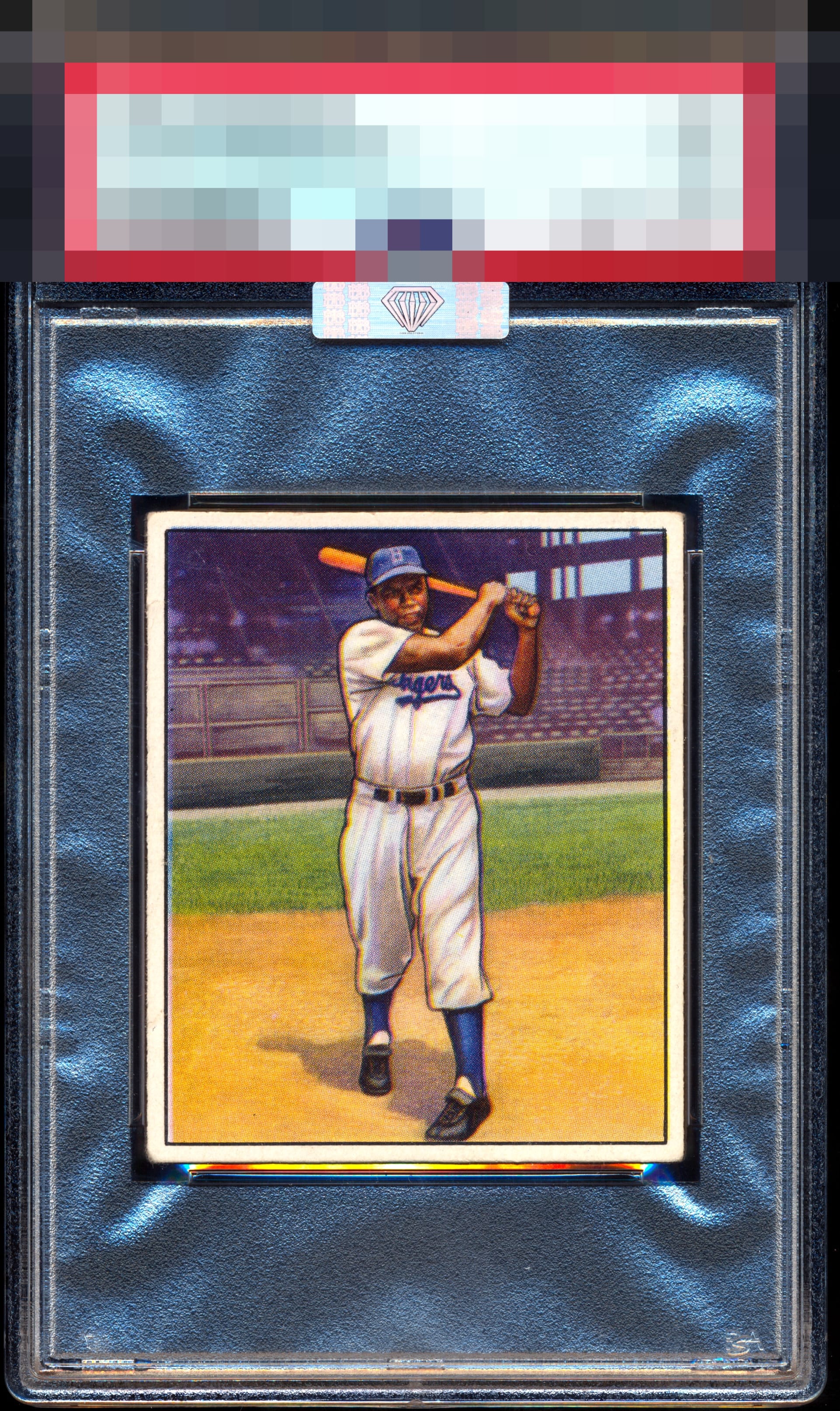
Jackie Robinson #22

Satchell Paige #224

Biography
My collecting journey began in 1972, when the excitement of scraping together enough money to buy a pack of cards was one of the highlights of my childhood. Some of my favorite memories are opening packs with my cousins and hoping to land players from my favorite team, the Cincinnati Reds. Like many collectors of that era, the hobby was about far more than the cards themselves — it was about the anticipation, the connection to the game, and the memories created along the way. Even after graduating from high school and stepping away from actively adding to my collection, I always cherished the cards and the nostalgia they represented. After retiring from a 30+ year career in education, the passion for collecting returned almost instantly. Reentering the hobby brought back the same excitement and appreciation that I felt as a kid opening packs decades ago. Today, I enjoy not only the history and artistry behind the cards, but also the eye appeal and presentation that make certain cards truly stand out. The hobby has come full circle for me, and I am grateful to once again be part of a community built around collecting, memories, and a shared love of the game.
Grading Style
Think of this as an umpire scouting report; how does the ump call a game?
My grading style starts with centering and image clarity because those are the two qualities that immediately determine a card’s visual impact to me. The very first thing I notice when viewing a card is whether it is centered properly both top-to-bottom and side-to-side. Strong centering naturally draws my attention and makes me want to slow down and evaluate the card more closely. A card that presents balanced borders and strong symmetry simply stands out in a collection and carries stronger overall eye appeal. Image clarity/registration is just as important in my evaluation process. Sharp focus, clean registration, and a crisp overall image can elevate a card immediately, even before examining the finer technical details. If a card passes that initial “first glance” test with centering and clarity, I then begin looking deeper at corners, edges, surface, color, and overall presentation. For me, eye appeal is about the instant reaction a card creates, and centered cards with strong visual sharpness are always the ones that command my attention first.
SHOWCASE

Joe Namath #122

Henry Aaron #128
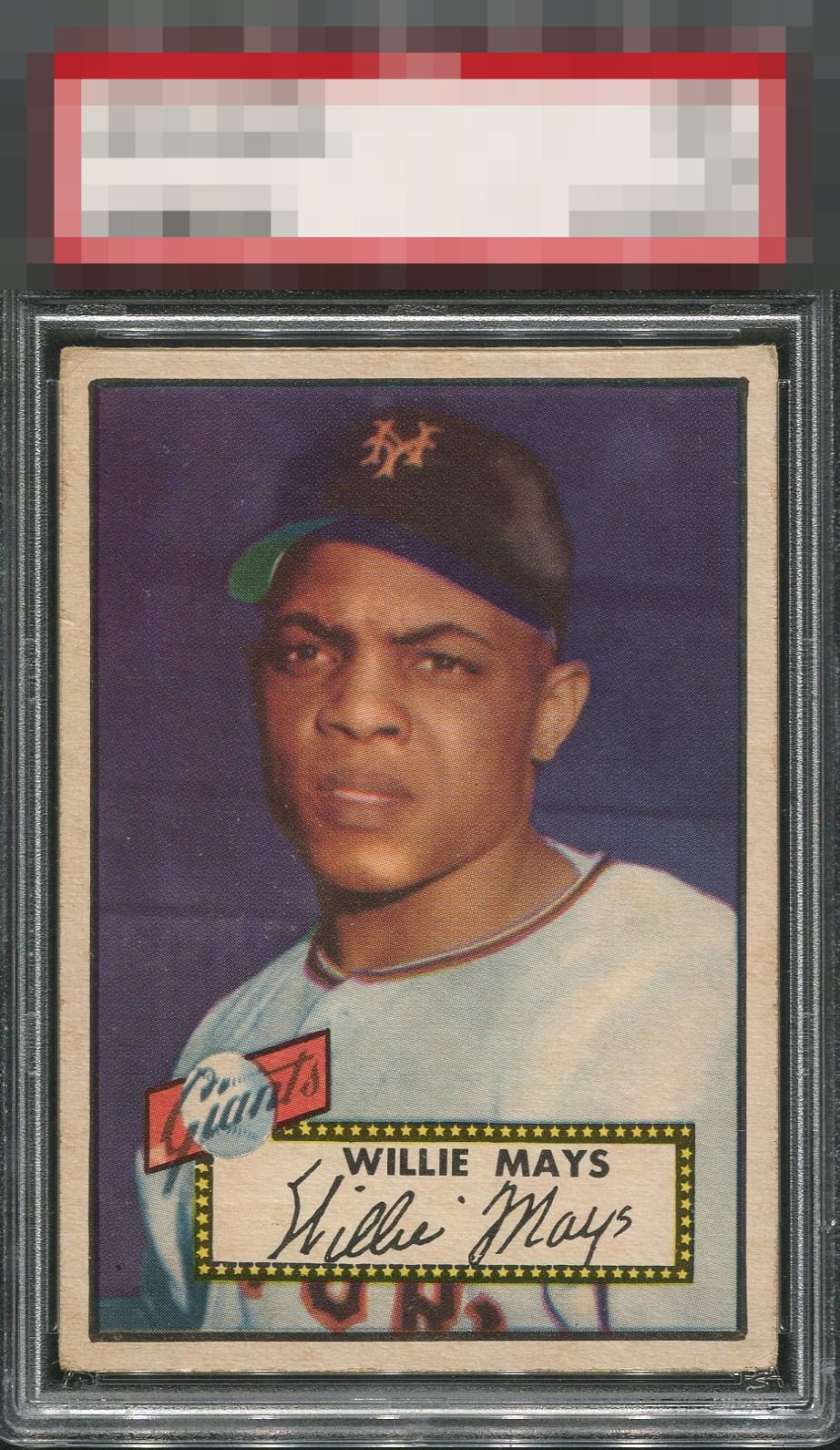
Willie Mays #261

Bob Gibson #514

Mickey Mantle #253

Biography
Vintage collector with a focus on pre-war legends.
Grading Style
Think of this as an umpire scouting report; how does the ump call a game?
As a kid, I bought vintage cards using the binary grading scale of “does this look nice or not so nice?”. Today, my grading style is largely unchanged, but more refined. Centering and image registration are the two most important card qualities to me. Centering is self explanatory, but image registration (also called image focus) is how well the printing plates were aligned during the manufacturing process. I want a crisp, photo like image. Color is also very important to me. Some natural toning is to be expected in vintage, but if a solid background has a significant amount of snow, stains, etc, it may detract from my viewing of the card. Corners and edges rarely majorly detract from how I view eye appeal. I do prefer more uniform rounding of the corners versus 2 sharp corners and 2 dull ones. Last, wrinkles and creases are judged on a case by case basis. Sometimes they are highly distracted whereas other times they don’t bother me much at all.



Biography
I've been a long time vintage collector since about the mid 90s. With the help of watching the Ken Burns Baseball documentary, I became fascinated learning about all the great players of the past which started my journey to start collecting vintage cards.
Grading Style
Think of this as an umpire scouting report; how does the ump call a game?
Registration, color, and centering are the things that I look for most in a card. Corners aren't as important to me. They don't have to be sharp, but I also don't want the corners to have heavy rounding either. The prototypical card for me is one that is well-focused, has bold colors, and is nicely framed with honest corner wear. I don't look at the grades when judging for eye-appeal. If the "2" happens to look better than the "8", it will get the better rating. For me, the eye-appeal is heavily weighted towards the front of the card. The back doesn't factor in as much as long as it's not egregious.
SHOWCASE
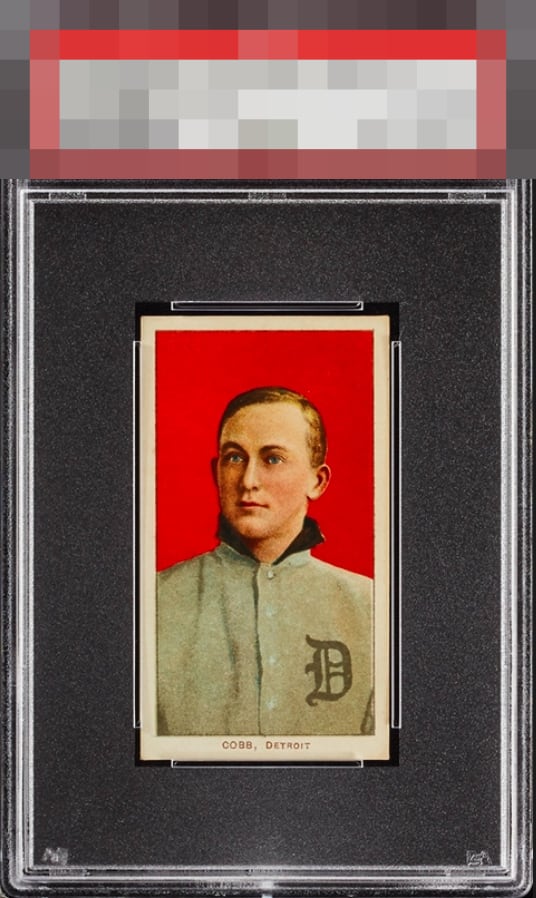
Ty Cobb #RED PORTRAIT
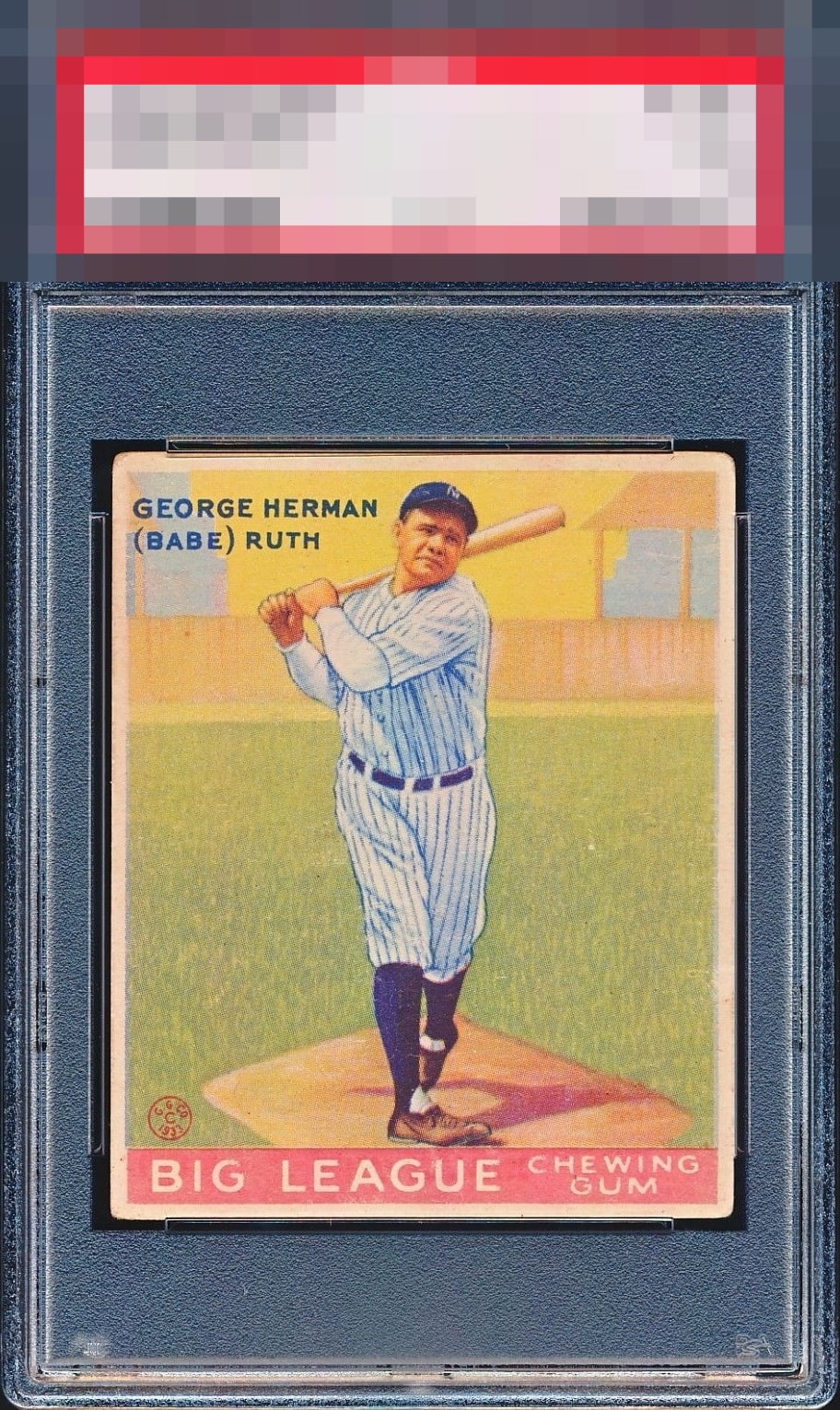
Babe Ruth #144

Stan Musial #4

Ted Williams #76
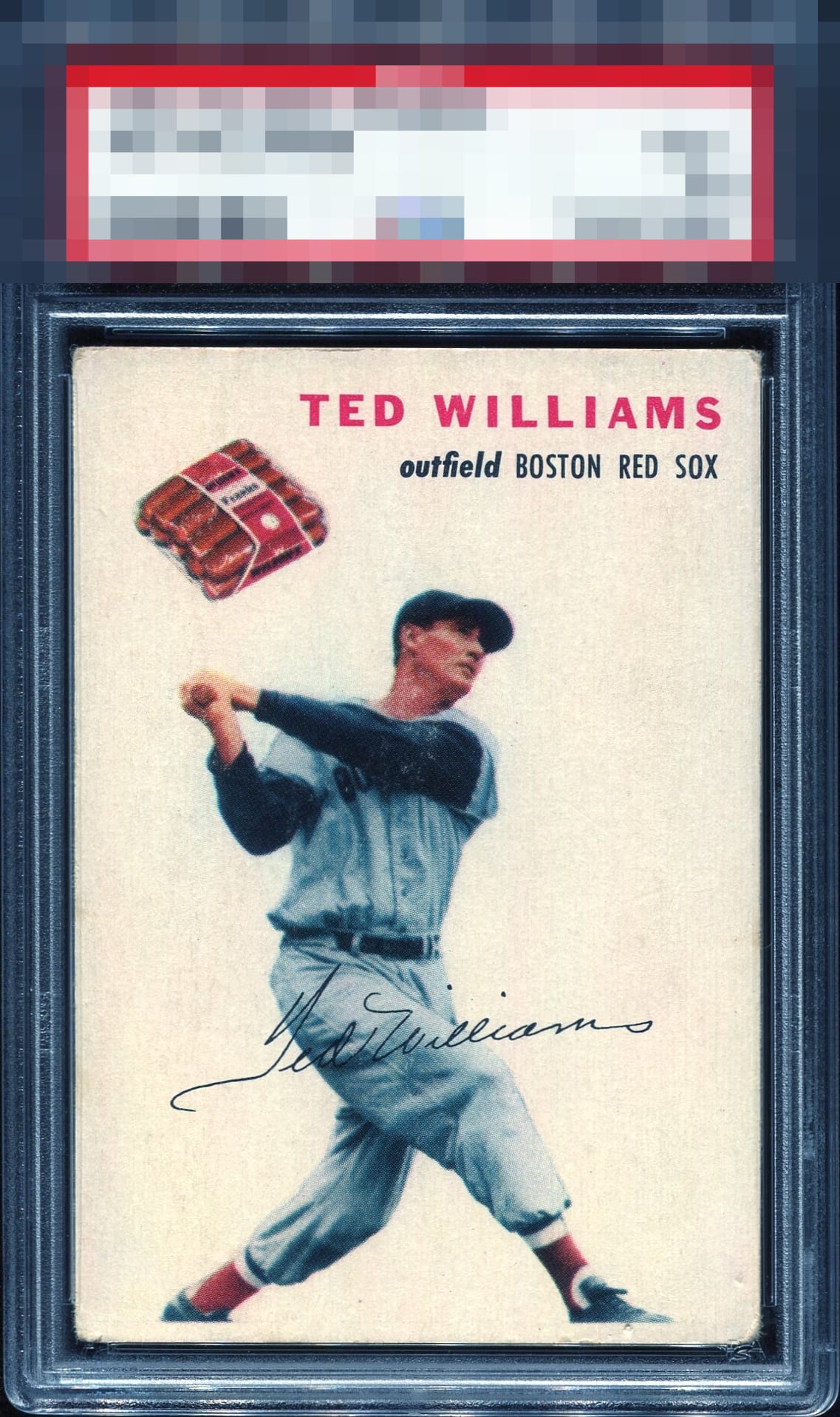
Ted Williams

Biography
I’ve been collecting since my Dad bought me my first packs of 1982 Topps baseball and 81-82 Topps hockey cards, hoping to find my favorite players—Pete Rose and Wayne Gretzky. My collecting focus has been to acquire nice examples of the vintage cards that I dreamed about when reading Beckett and Sports Collectors Digest as a kid. In addition to sports cards, I also collect comics, vintage jazz LPs, and watches. In my professional life, I am attorney and problem solver, and in my personal life I have a supportive wife and two boys with whom I share my card and comic collecting hobbies.
Grading Style
Think of this as an umpire scouting report; how does the ump call a game?
I seek out nicely centered cards with vivid colors and a lack of any wrinkles or surface blemishes on the player. Corners are the least important to me when considering the overall eye appeal of a card.
SHOWCASE
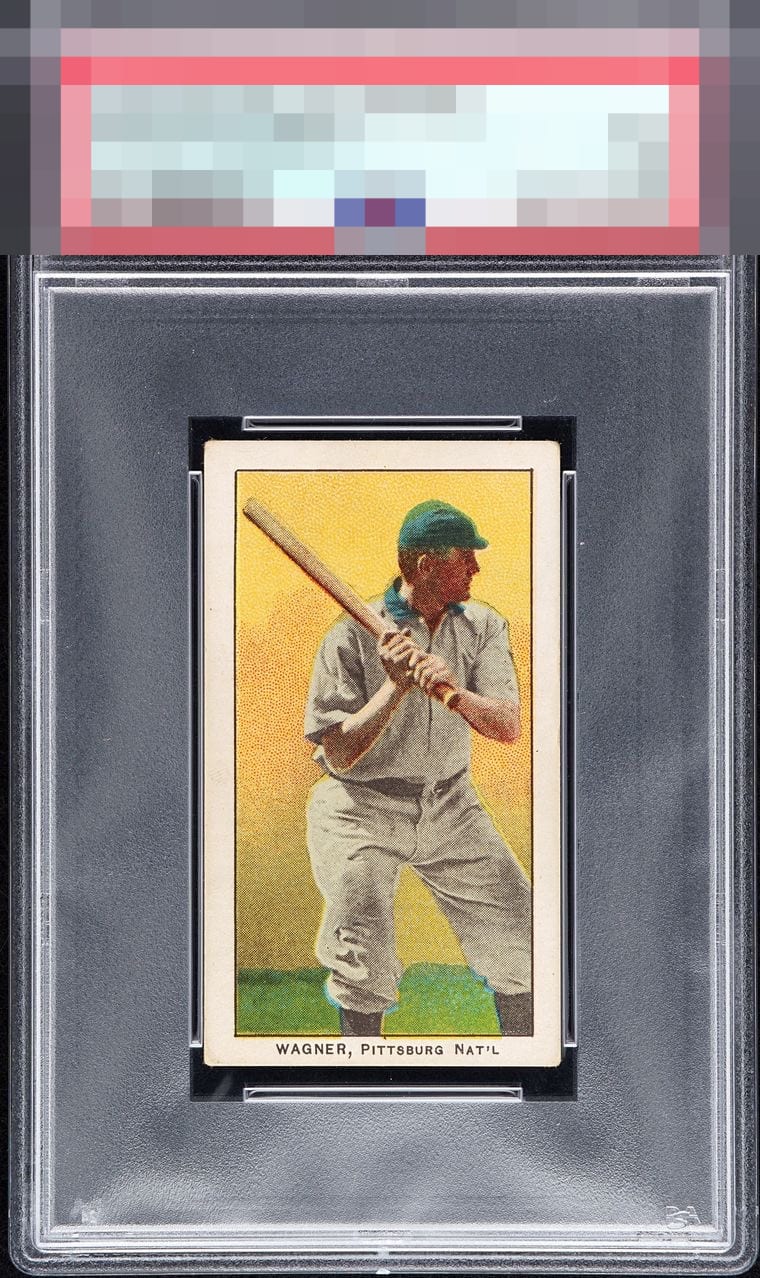
Honus Wagner
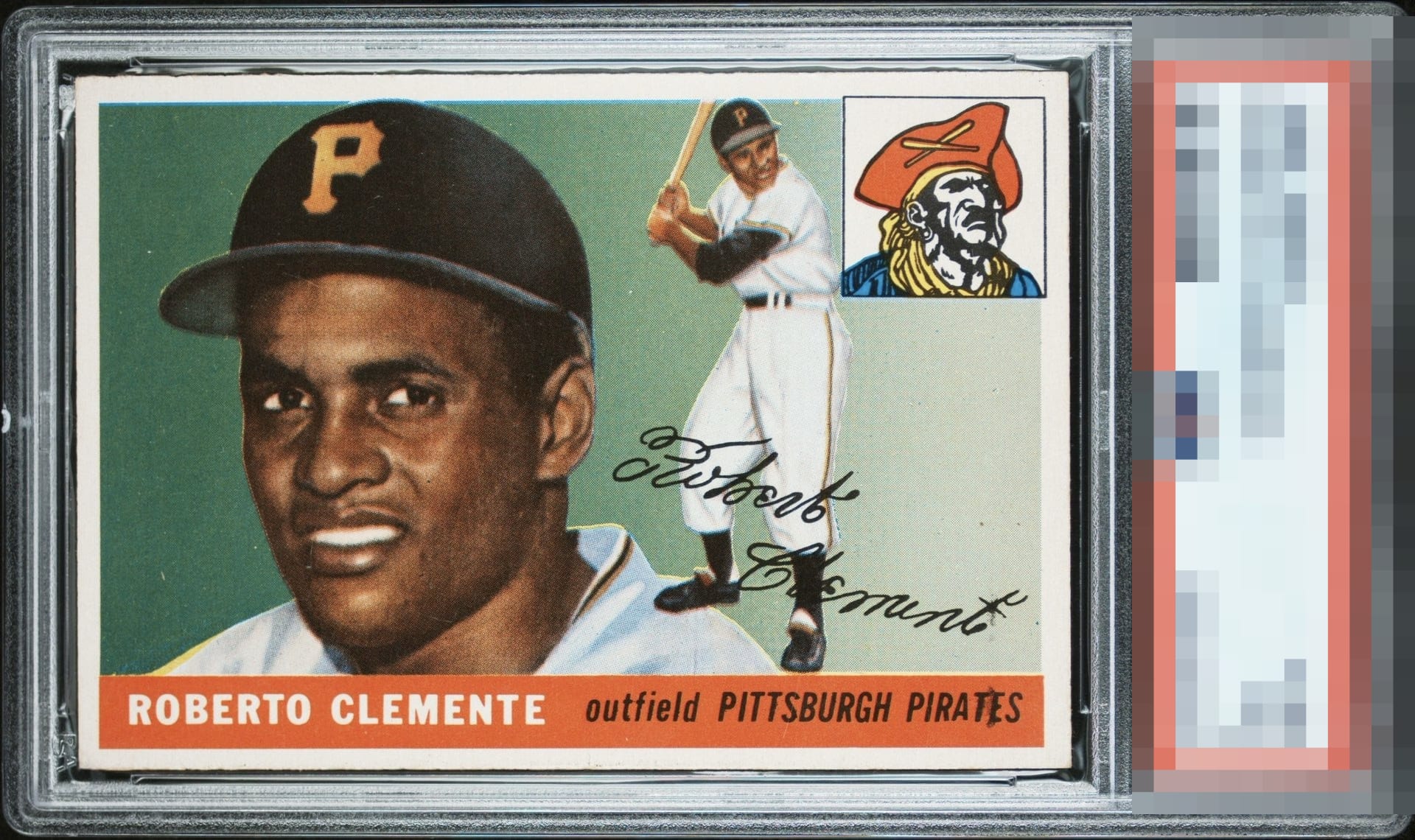
Roberto Clemente #164

Lou Gehrig #37
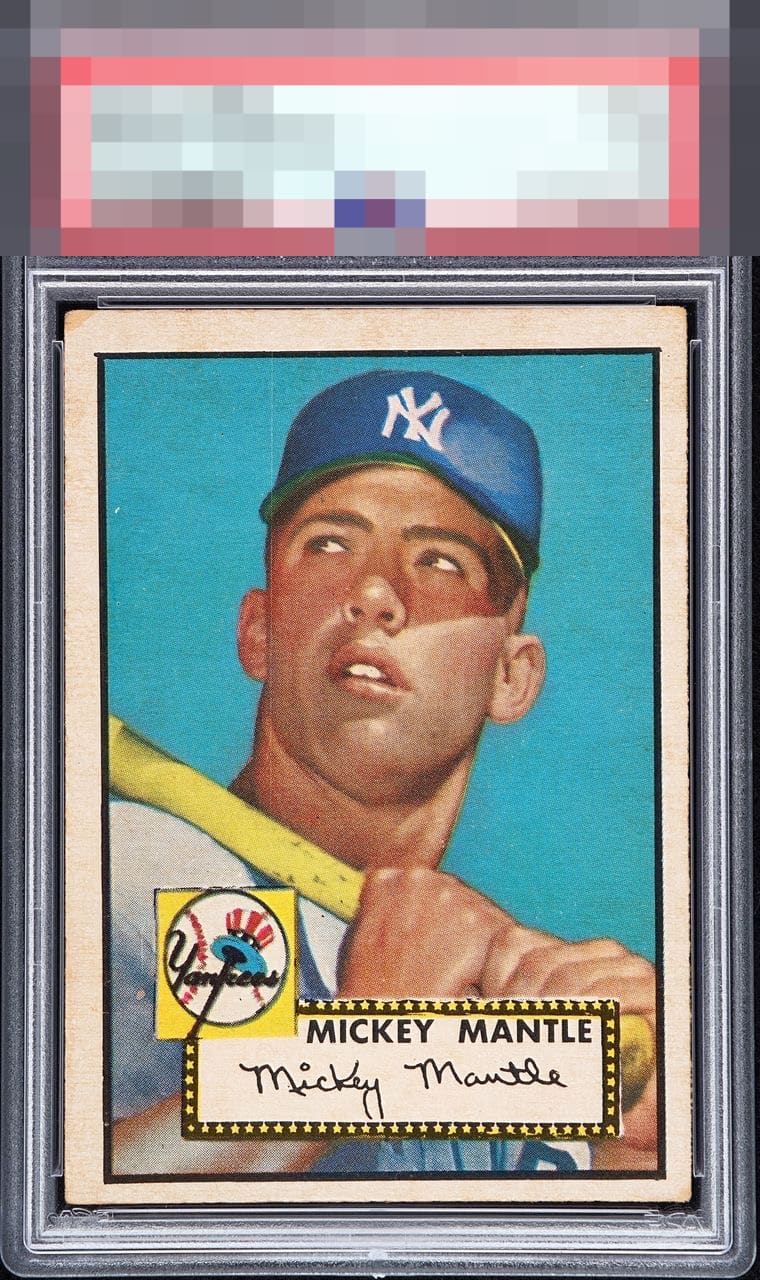
Mickey Mantle #311
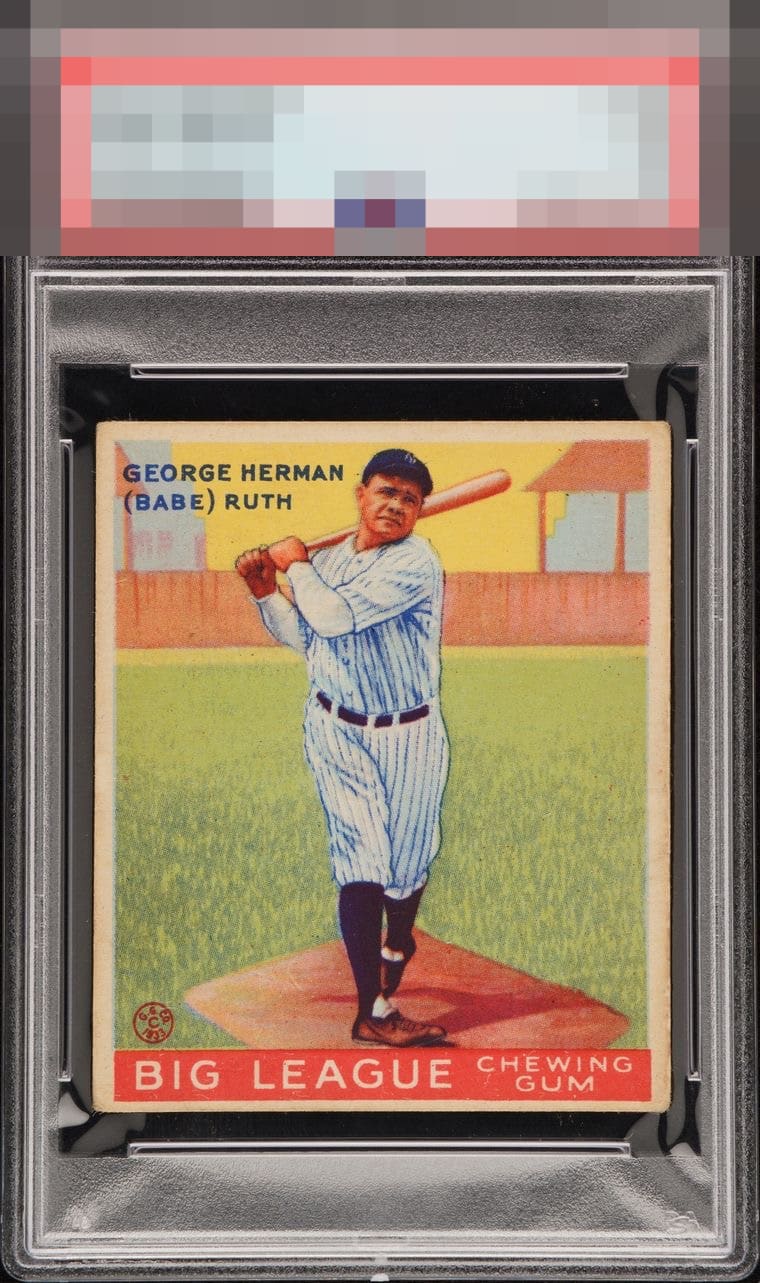
Babe Ruth #144

Biography
I'm a lifelong collector, I work in sports nutrition and a professional powerlifter. This hobby is my escape and release back to childhood dreams of grail card ownership.
Grading Style
Think of this as an umpire scouting report; how does the ump call a game?
I'm huge on color and registration, image quality is most important, then above average centering is a must along with solid corners and all text on back being legible, pet peeves is graders leaving corners flippers not smoother out in slabs
SHOWCASE
Building their legacy...

Biography
Ex-health tech currently rehabilitating away from corporate life. Grew up as a junk wax kid with the collecting gene inherited from my dad.
Grading Style
Think of this as an umpire scouting report; how does the ump call a game?
I’m all about the color and can be a bit more forgiving than most on centering. Pack fresh cards need love too.
SHOWCASE
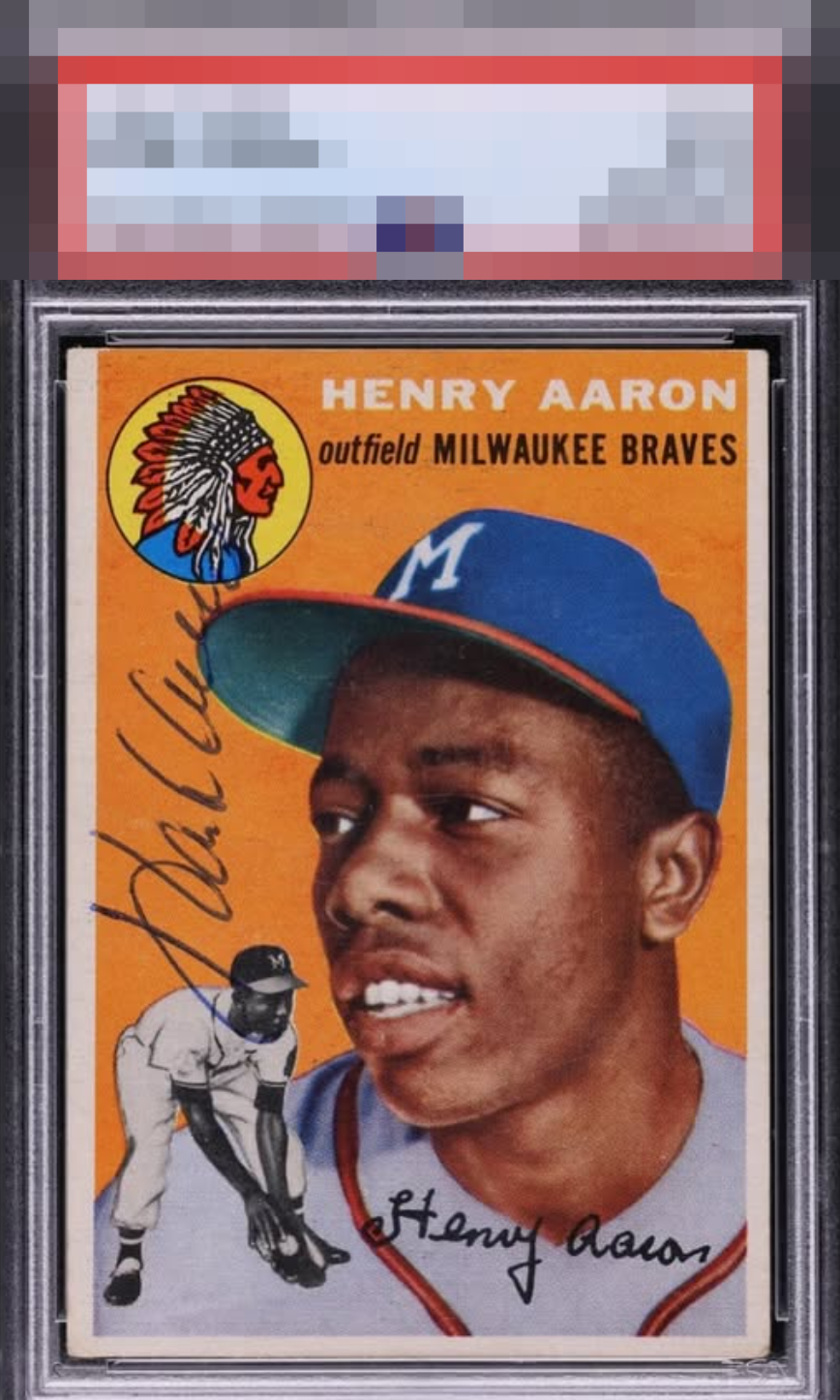
Hank Aaron #128
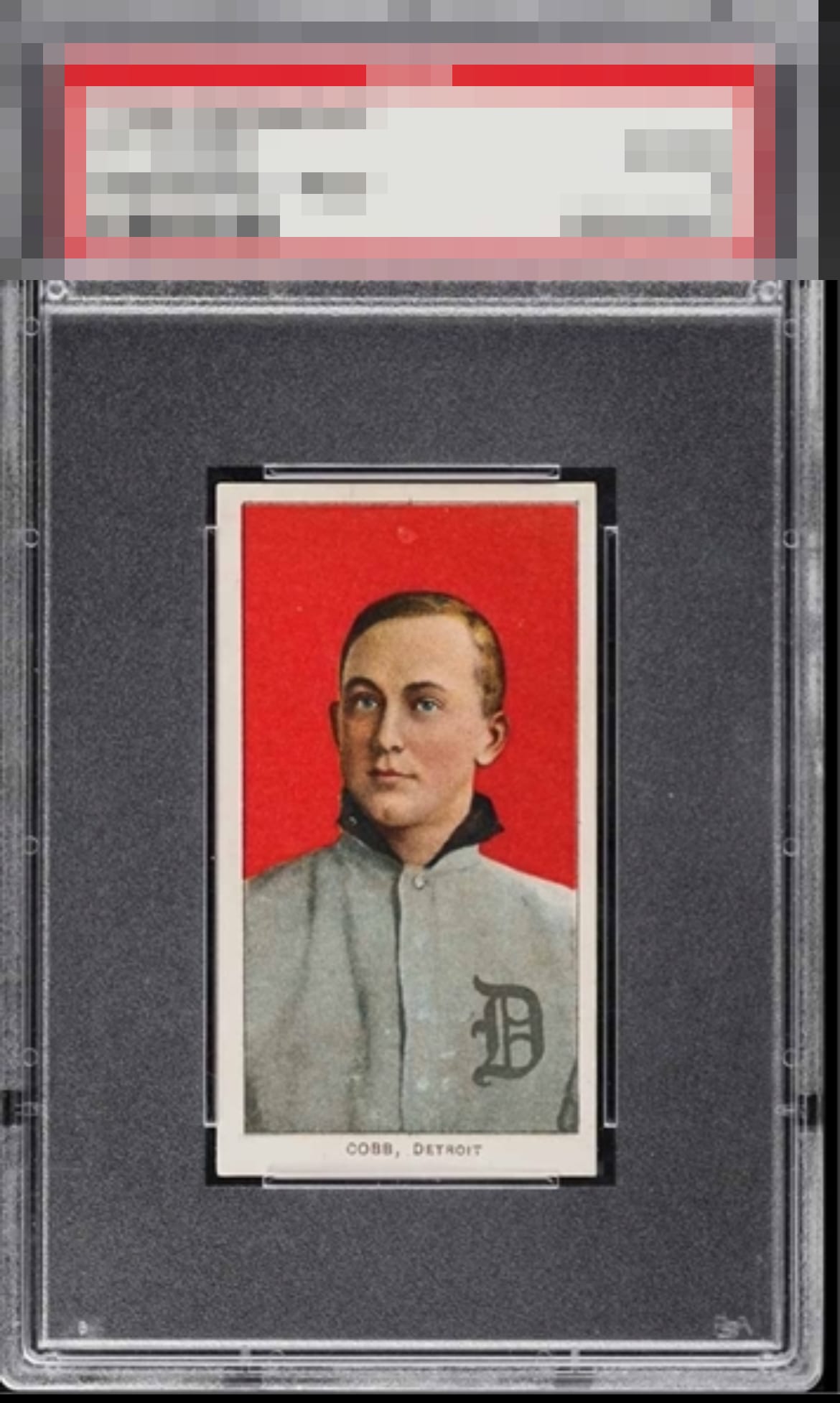
Ty Cobb #RED PORTRAIT
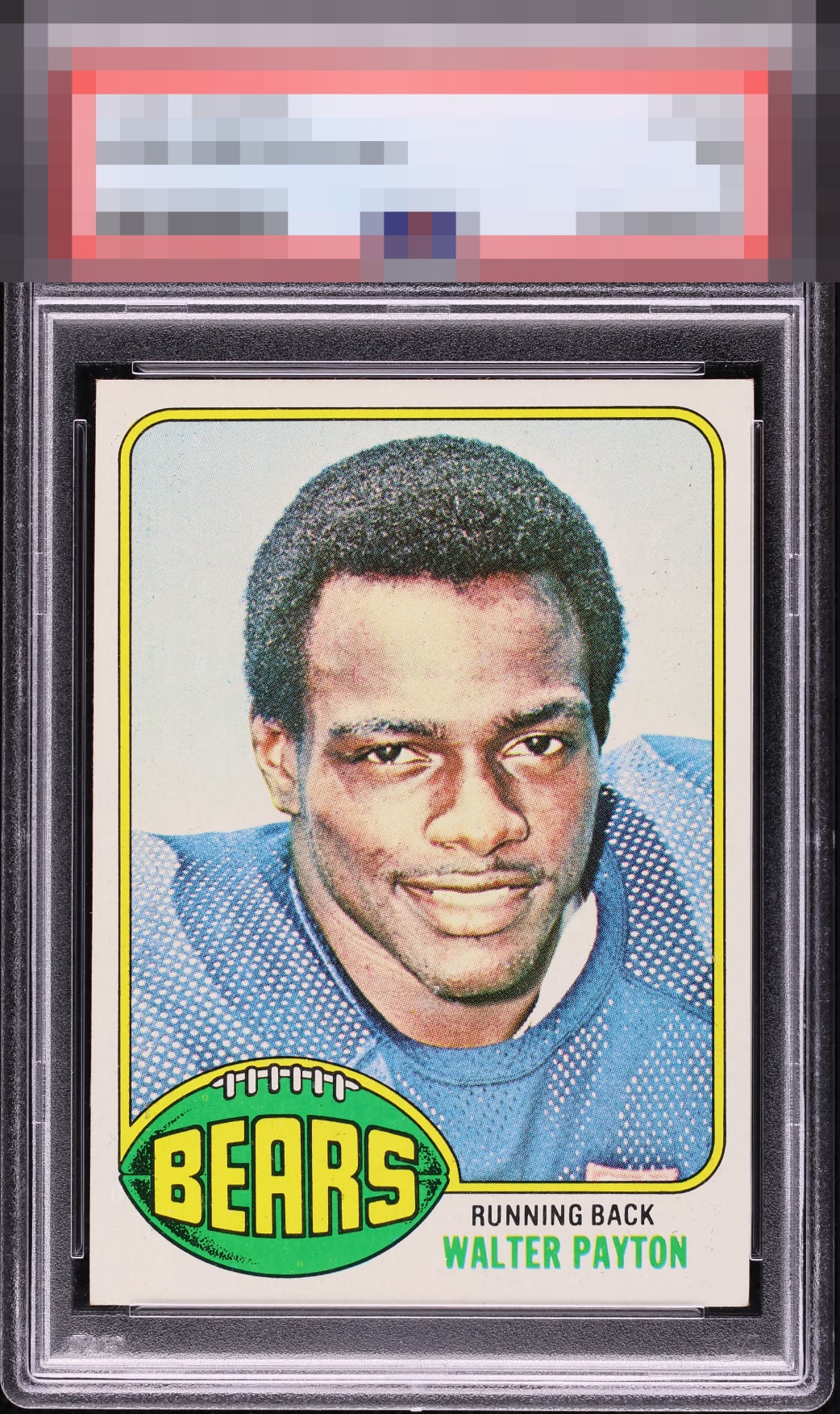
Walter Payton #148
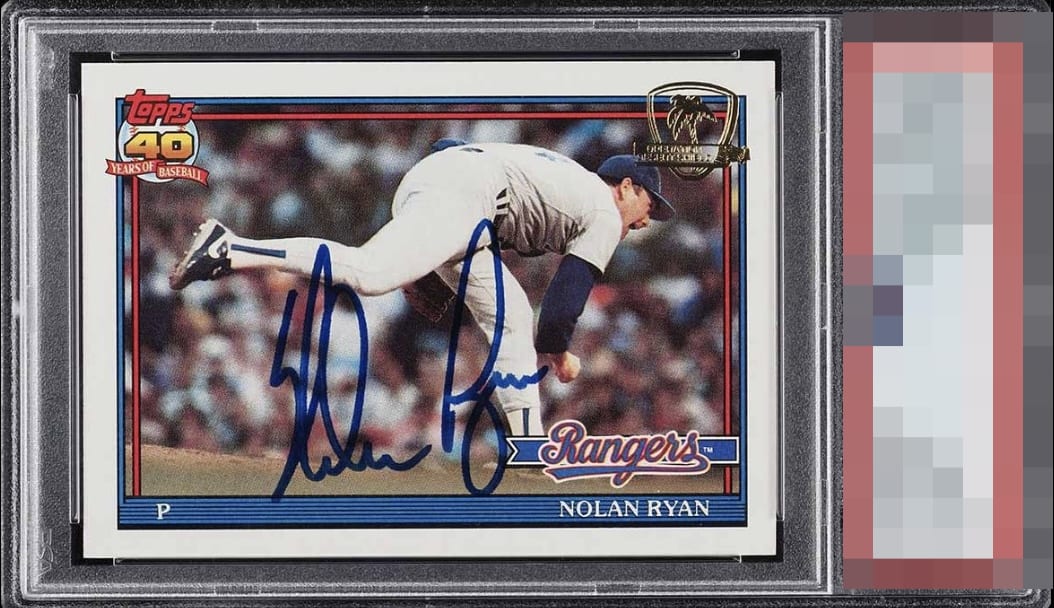
Nolan Ryan #1
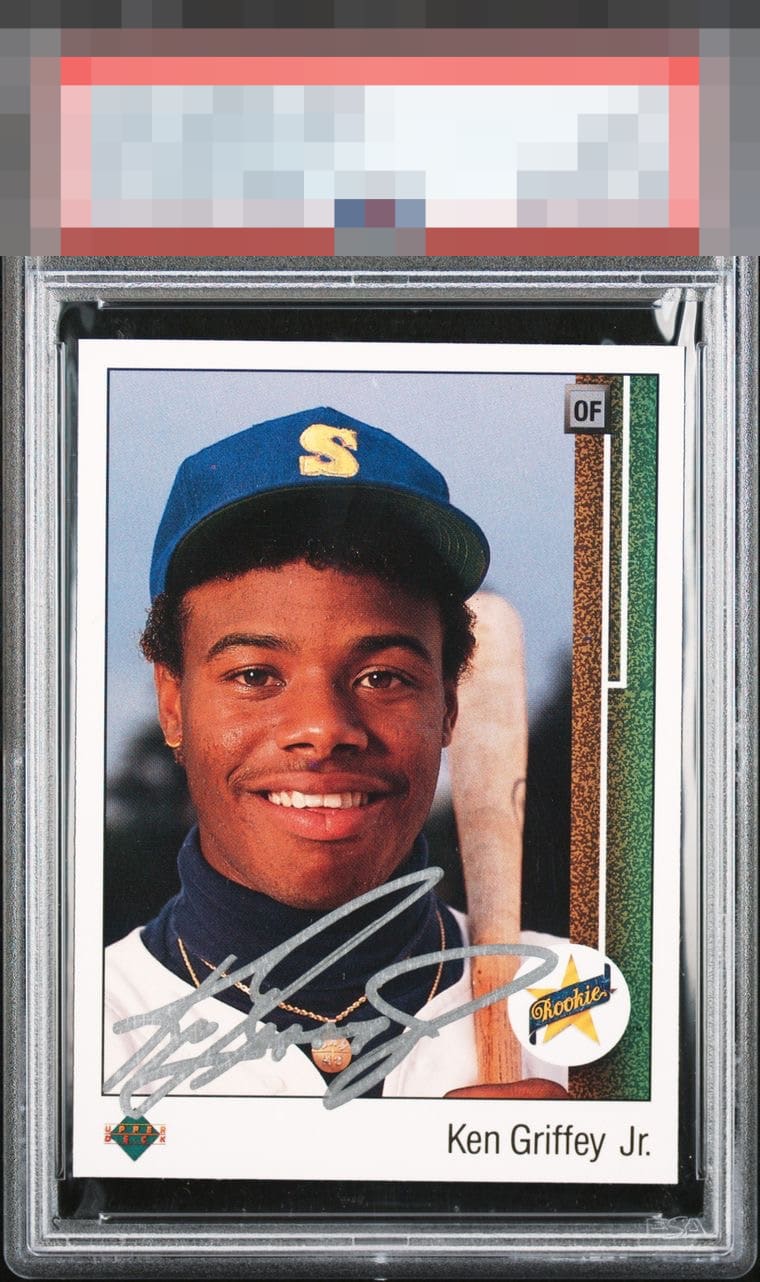
Ken Griffey Jr. #1

Biography
I am a YouTuber, podcaster, and newsletter writer obsessed with eye appeal. I collect mostly iconic cards from all sports and eras, but focus mostly on vintage baseball and autographs. Collector on a smaller budget. In my day job I lead an operations / analytics group.
Grading Style
Think of this as an umpire scouting report; how does the ump call a game?
Focused on card-front and centering.




Biography
I was born and raised in Miami, Florida, and I have been involved in sports my entire life. Played college baseball as a catcher at the University of Kentucky, and also coached at the University of Miami. Also, competed as a national level powerlifter after my playing days were over, and earned an invite to wrestle in the WWF as well. My work like also involves sports as a sales rep for Nike for 25+ years. I started collecting baseball cards in 1974 when I started little league baseball, and we used to go to the 7-Eleven a few blocks from our baseball park and buy packs of cards. All of my brothers and I (4) total collected cards so we amassed quite a collection of cards in a very short period of time, and by the age of 10 years had 10,000+ Baseball Cards. My favorite cards to collect as a kid were the Cincinnati Reds which featured my favorite player Johnny Bench, and as an adult my focus for my collection turned to vintage Hall of Fame cards from the 1950s - Ted Williams, Mickey Mantle, Hank Aaron, and Willie Mays all in high grades. Today my collection focuses on these same players, but my enjoyment comes from finding high end examples of these players and their cards but in PSA grades 4-6.5. In my spare time, I enjoy coaching baseball, Golf, and traveling with my family to sporting events across the country.
Grading Style
Think of this as an umpire scouting report; how does the ump call a game?
My grading style focuses first and foremost on eye appeal, and the first thing I look for in evaluating a card is centering. If a card has strong centering I then look for other technical aspects of the card such as corners, color, clarity, and focus. While I like the corners to be sharp if a card is well centered and framed nicely that is a plus. I think some of the nicest cards in the hobby are those that look like a PSA 8, but might have a small crease or wrinkle that is not visible to the naked eye. I’m also not very picky about the back of the card, and hardly anyone really looks at the back of a card anyways. As long as it does not have a huge mark or defect I can live with it.
SHOWCASE

Ted Williams #1
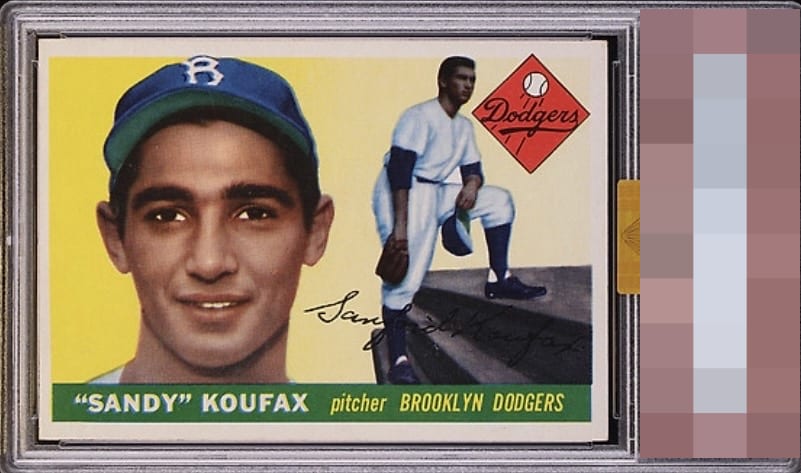
Sandy Koufax #123
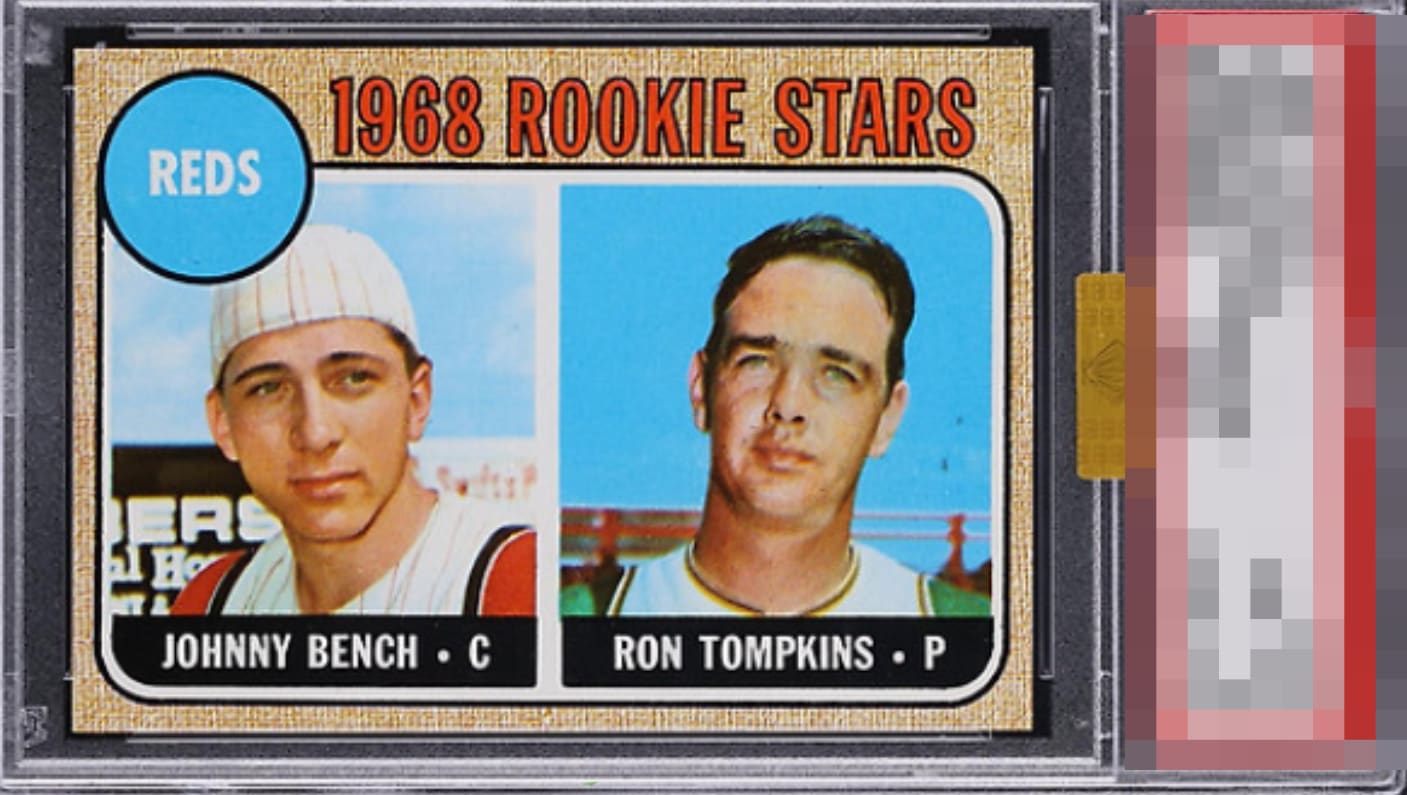
Johnny Bench #247

J.Koosman/N.Ryan #177
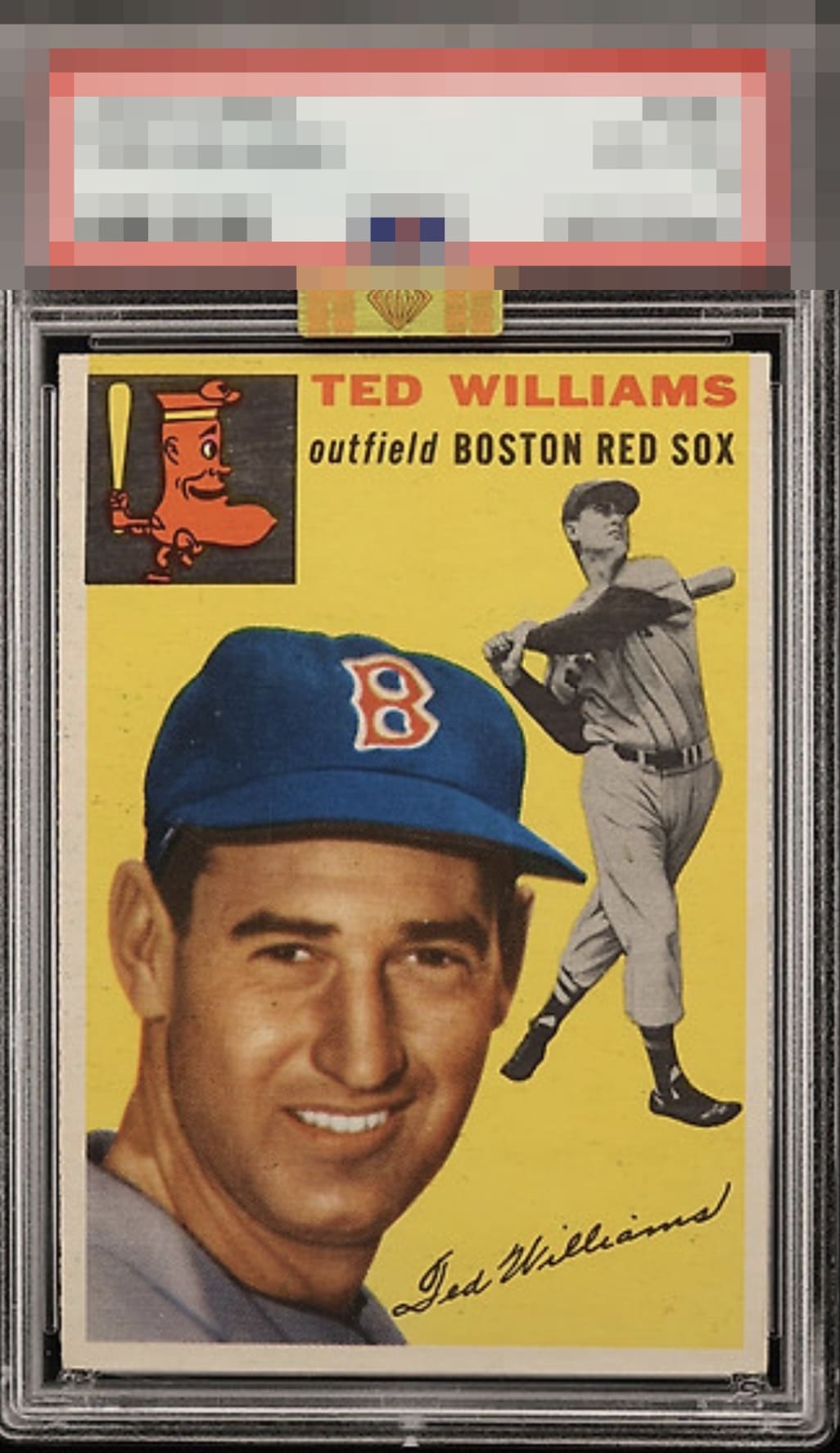
Ted Williams #250

Biography
I'm a private equity professional and lifelong collector with a deep appreciation for post-war vintage sports cards and the stories they carry. My love for collecting isn’t just about the cards—it’s about the connections they represent: between eras, between people, and between values that endure.
Grading Style
Think of this as an umpire scouting report; how does the ump call a game?
Clean, balanced borders are non-negotiable. I value cards with strong visual symmetry, where the image sits squarely within the frame—regardless of technical grade. Sharpness and clarity matter.
SHOWCASE
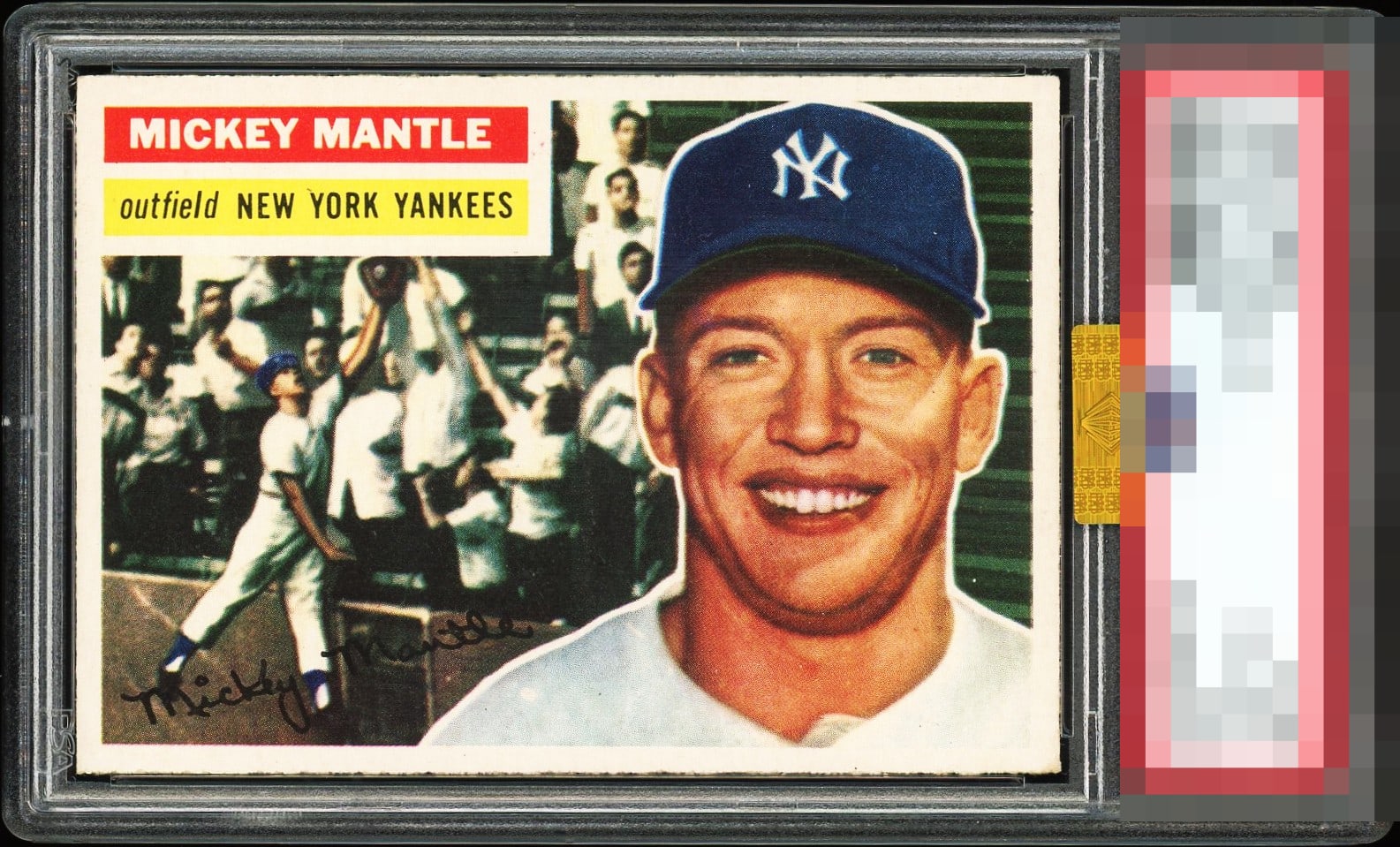
Mickey Mantle #135
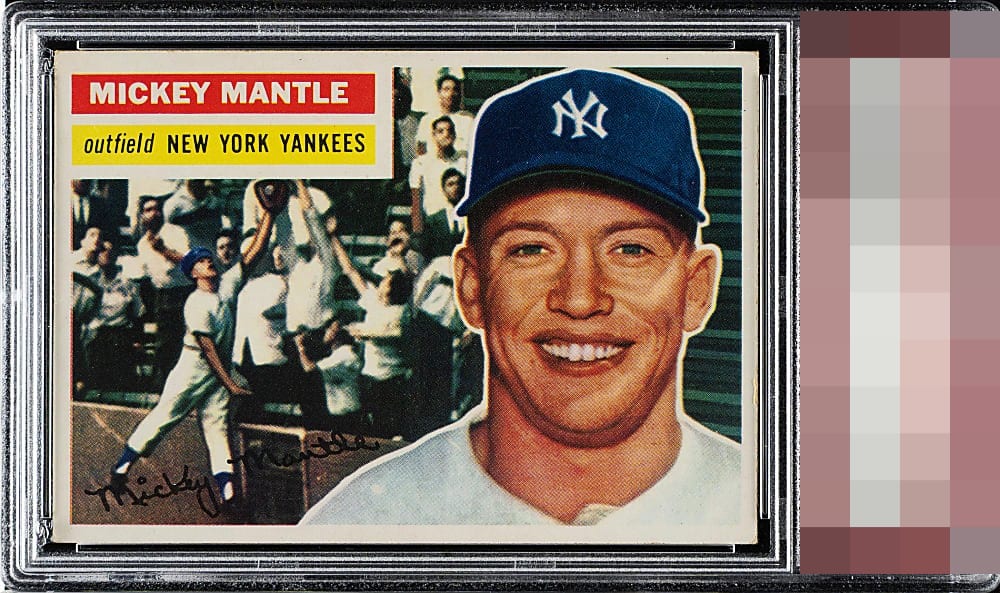
Mickey Mantle #135

Henry Aaron #128
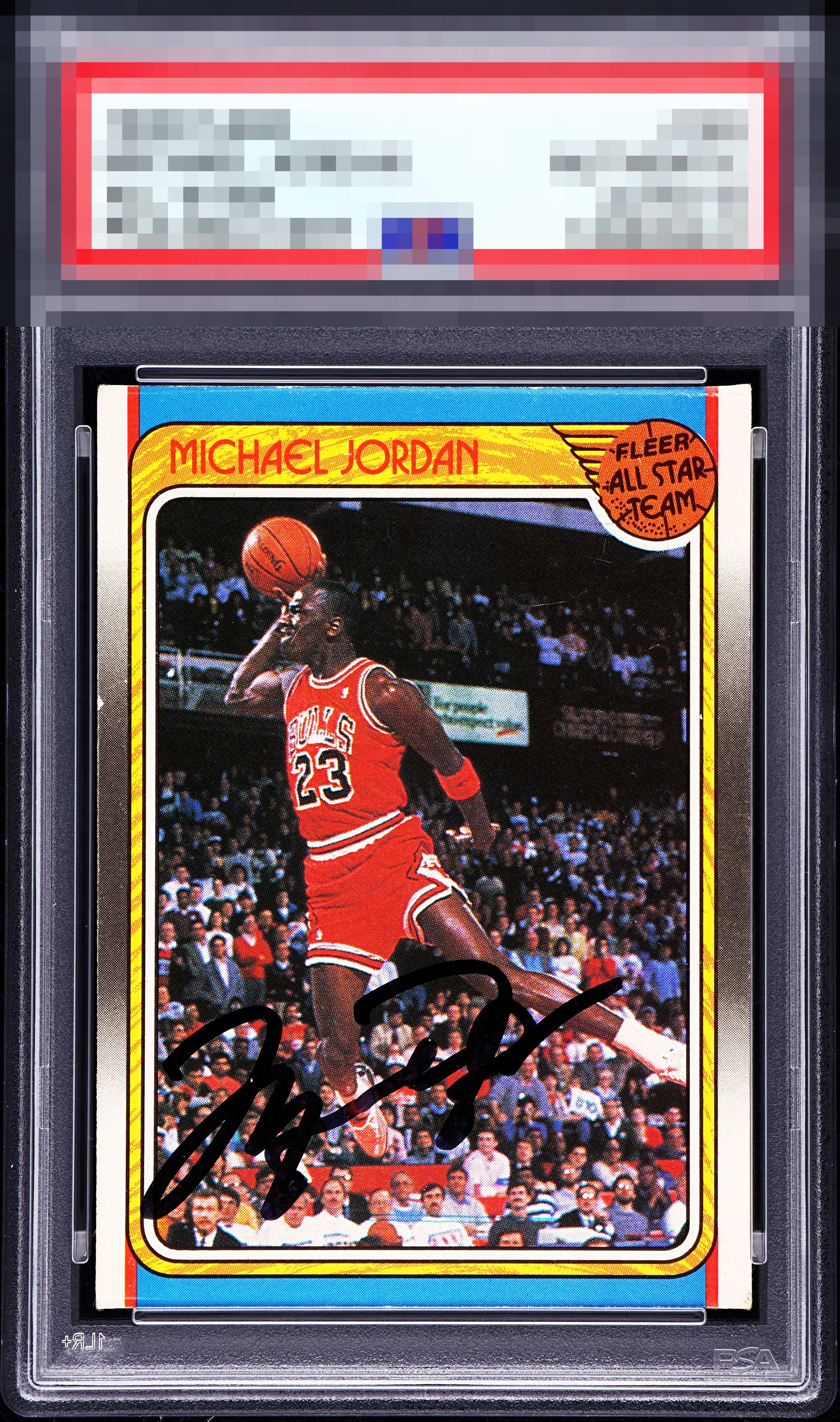
Michael Jordan #120
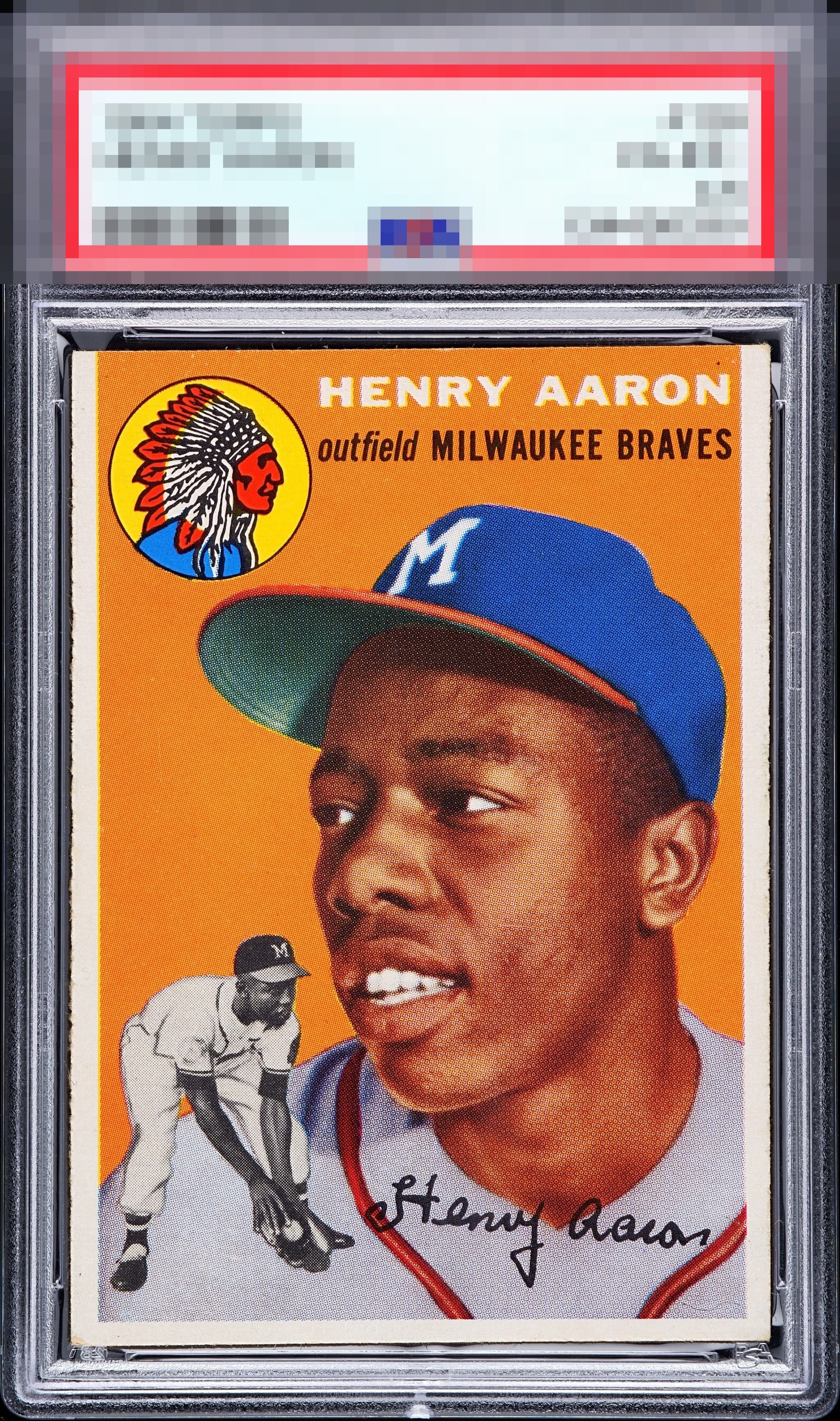
Henry Aaron #128

Biography
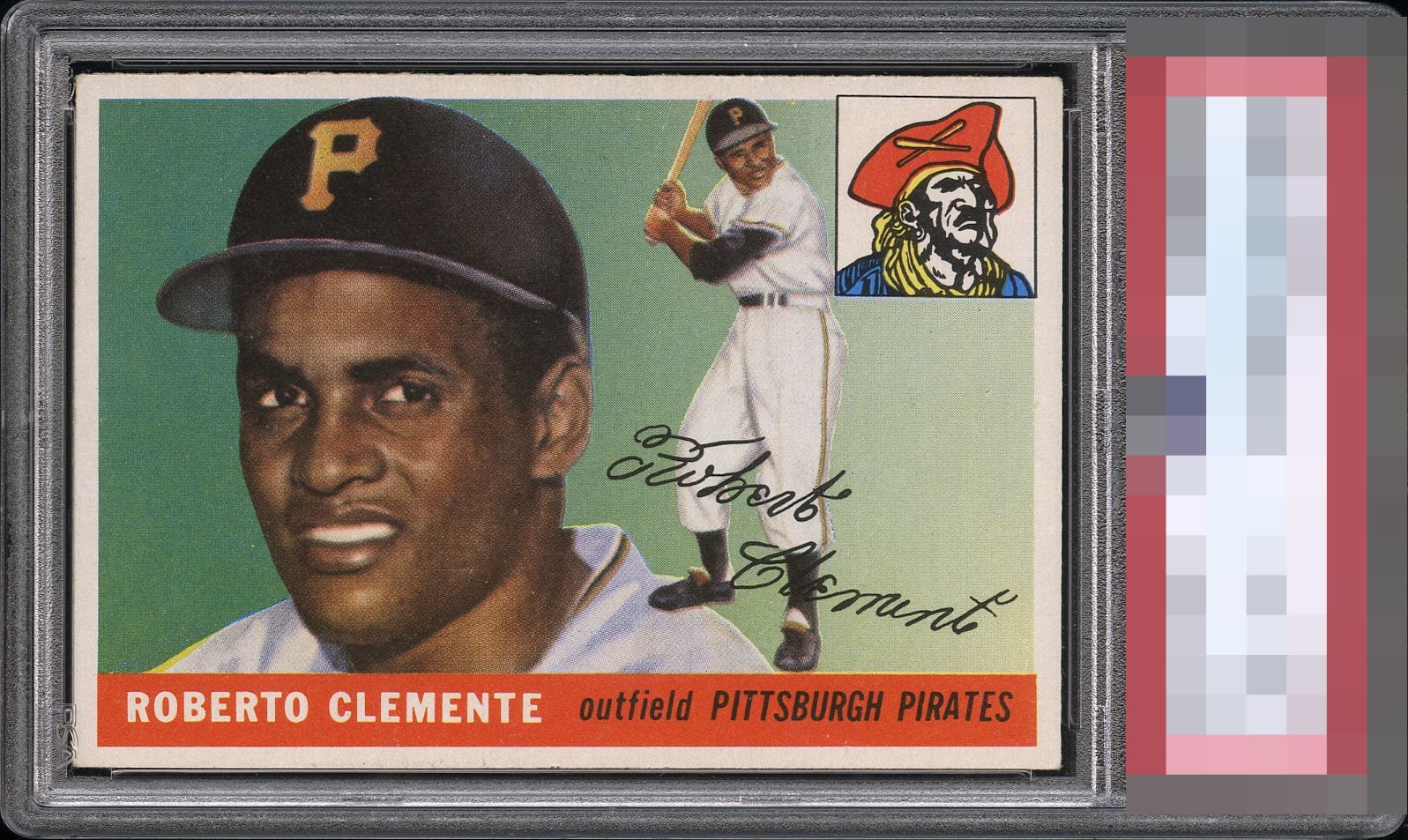
Retired from the pharmaceutical industry and returned to collecting. I enjoy players from the 1950's - 1960's. Three of my favorite players are Clemente, Mays, and Aaron, so the 1966 #215 Batting Leaders card is a favorite with them all pictured on one card. Mickey Mantle and I share the same October 20 birthdate and a hobby goal is to complete a Mickey Mantle run. My biggest regret is selling a 51 Bowman Mantle and hopefully one day I will reacquire it. The closest I'll get to the 52 Topps #311 will be reviewing it on the site. I hope to soon add an Aaron rc and Koufax rc and one day add a Goudey Ruth card and a Ty Cobb.
Grading Style
Think of this as an umpire scouting report; how does the ump call a game?
I like a centered card with top-tier resolution. A well framed, crystal clear image provides the best eye appeal for me. Poorly centered cards, creases, and print defects distracts my eye and stand out to me. Reverse side matters far less though not irrelevant. Very slight corner touches, on vintage cards, look more correct than perfection (but I'll accept any mint card donations).




Biography
Father. Entrepreneur. Explorer. Adventurer. Baseball Card Aficionado.
Grading Style
Think of this as an umpire scouting report; how does the ump call a game?
When I analyze a card, I have the upmost emphasis on centering, followed by registration/ clarity and relatively strong corners. I loath paint loss, but can tolerate the slightest of a crease as long as it isn't blatantly obvious.
SHOWCASE
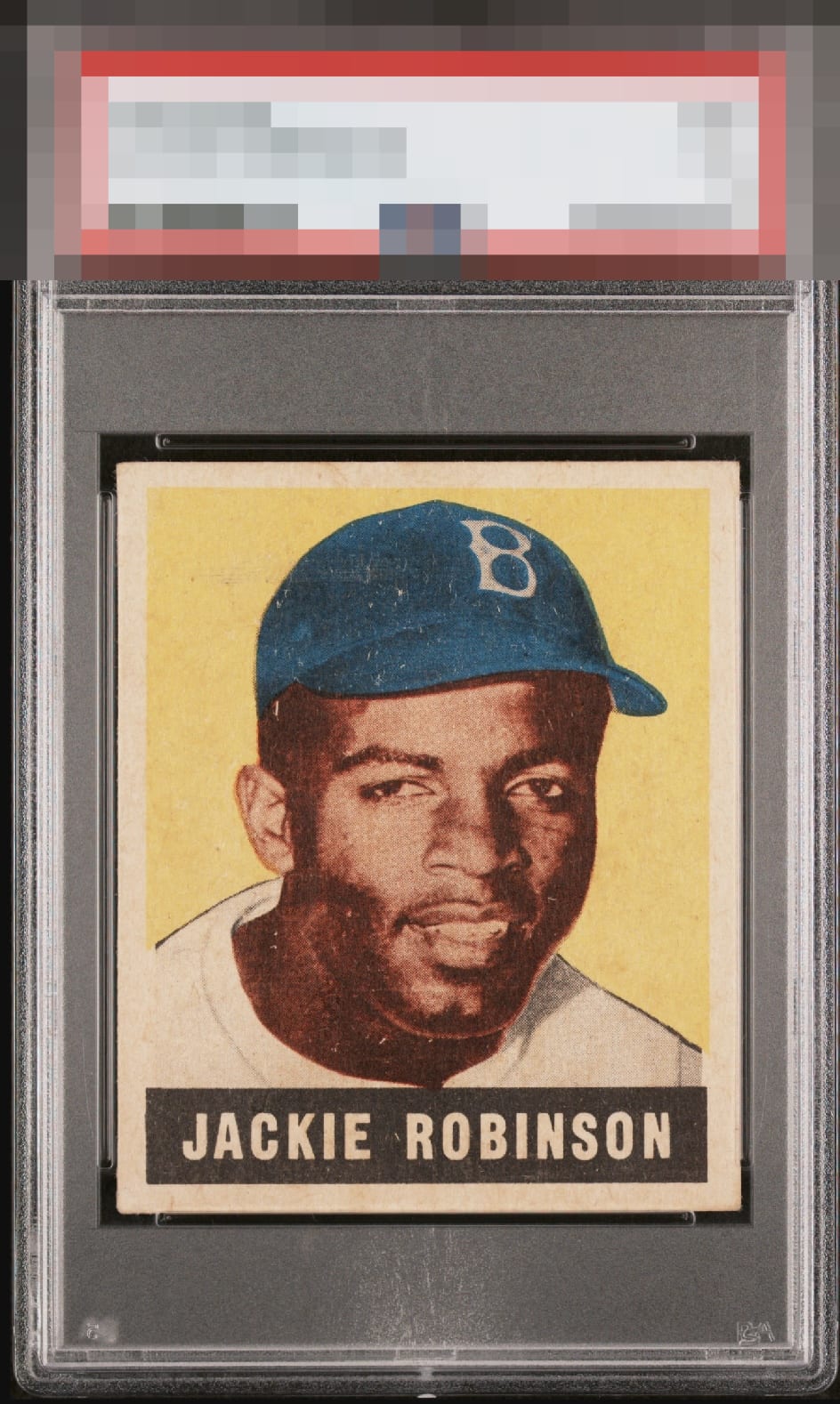
Jackie Robinson #79

Babe Ruth #28

Ty Cobb #350
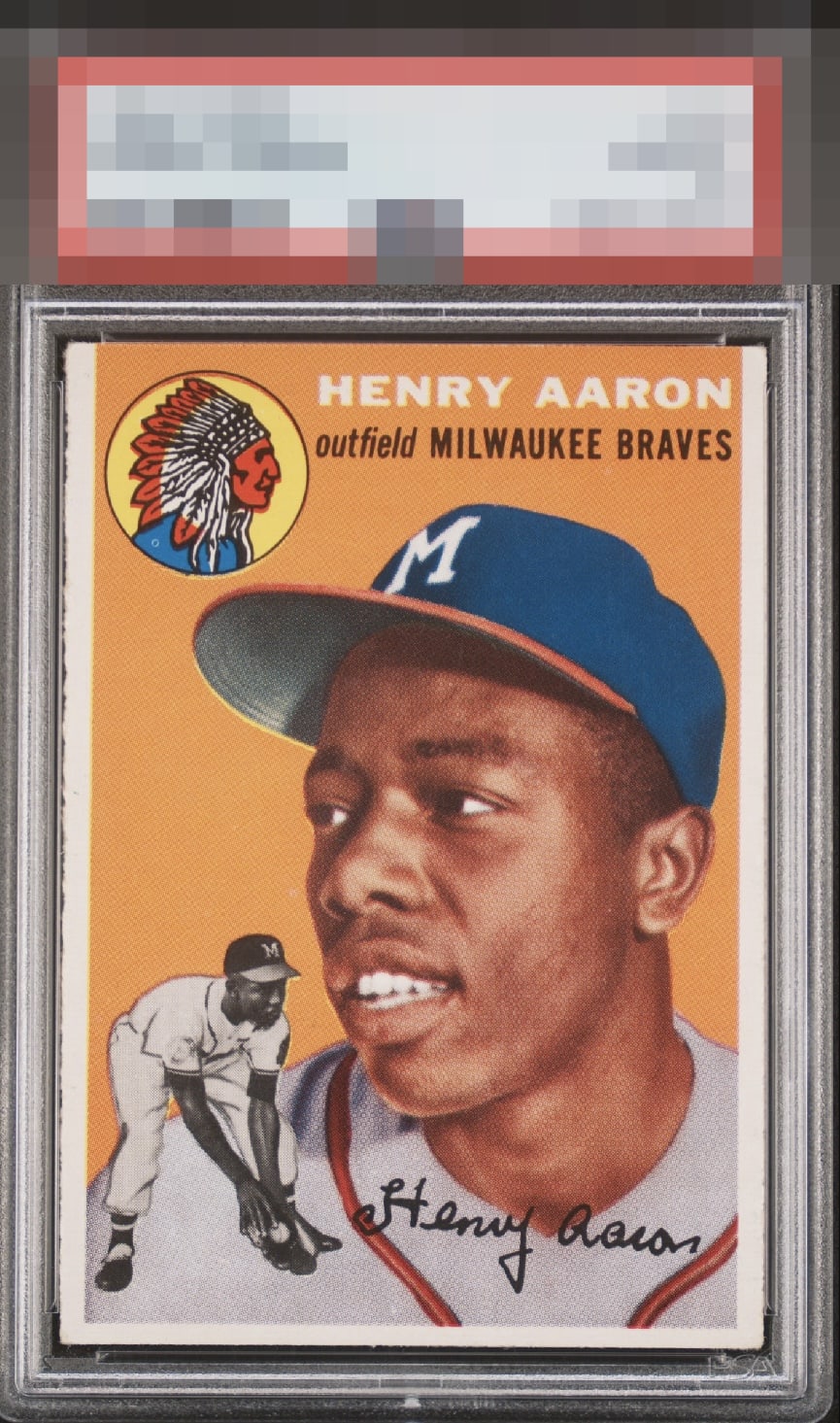
Henry Aaron #128
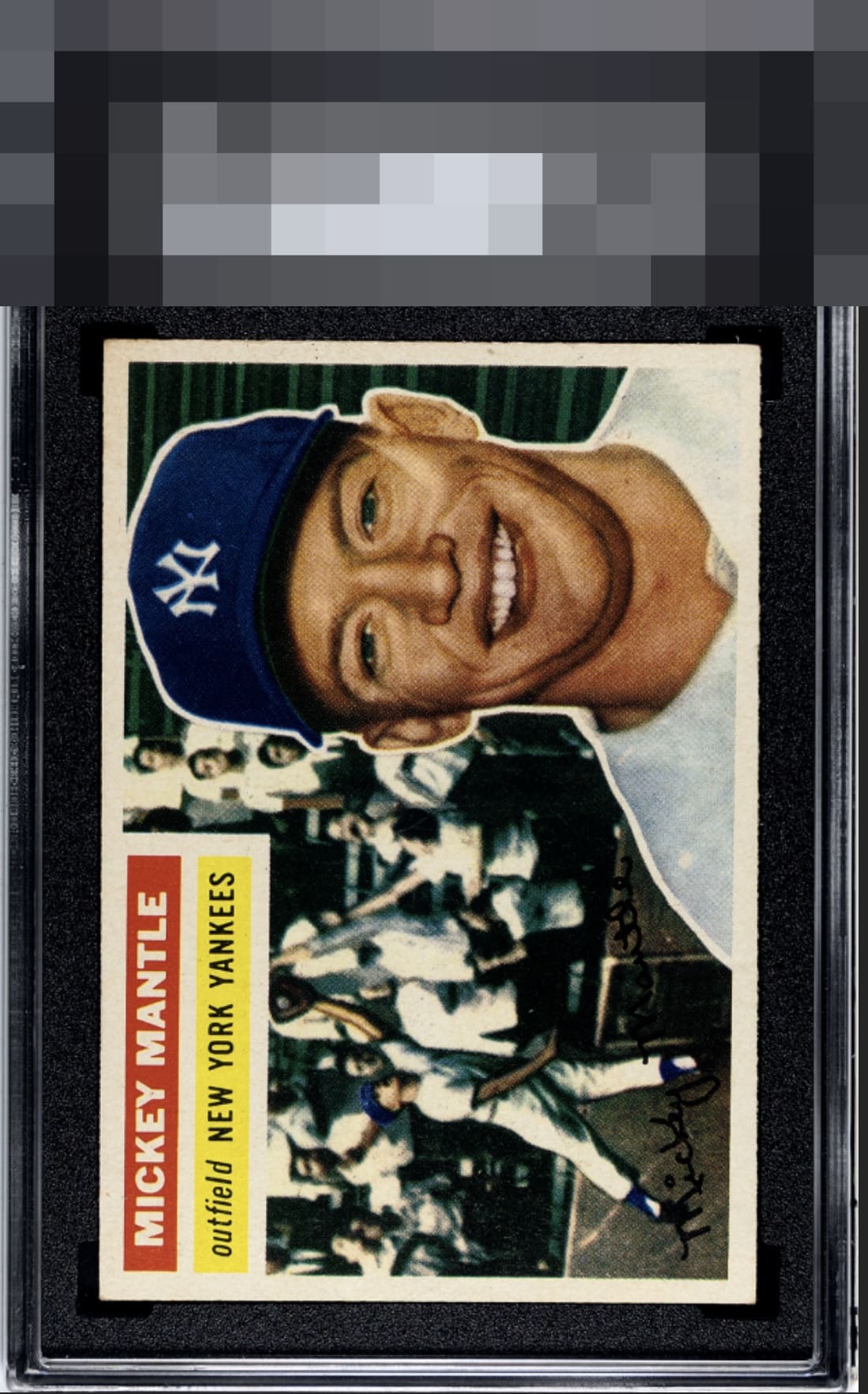
Mickey Mantle #135

Biography
An Old Soul just collecting Vintage.
Grading Style
Think of this as an umpire scouting report; how does the ump call a game?
When it comes to eye appeal, centering and corners are major factors. Surface damage or wear, such as snow or creases, also plays a significant role in my grading. While all cards have backs, they don’t affect my grade as much because the front is the primary focus of the card.
SHOWCASE


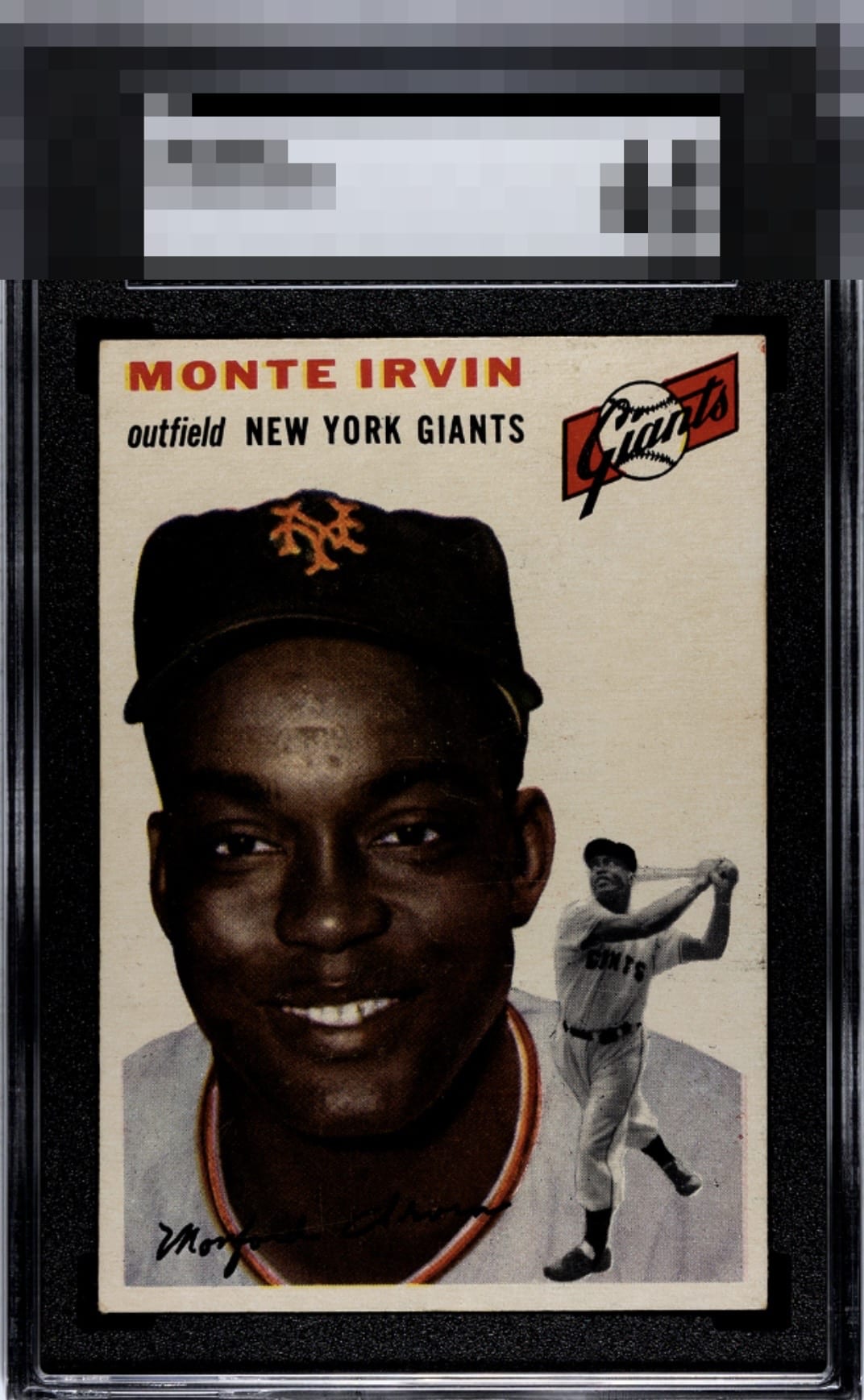


Biography
I am a Manager in the Services field with the focus being a Servant Leader. Been collecting for close to 40 Years but turned serious collector in the last 15 years. My collection goal is to have less cards but higher quality. I focus on the Rarity, the oddity, and the history of card collecting with emphasis on pre WW2 cards. I took several years to shrink my collection down to less than 20 cards. I am not a flipper or reseller. I only sell/trade cards to focus my collection or to upgrade the cards as it relates to quality and rarity.
Grading Style
Think of this as an umpire scouting report; how does the ump call a game?
My Grading Style starts with what catches my eye positively or negatively. I am big into Centered cards, Colors that Pop, and sharp images. I can over look flaws as long as it does not distract from the overall card. On Autographs I am big into them being properly placed to maximize the autographs visibility as well as not blocking key images/parts of the card and I rate the card as combination of the auto and overall appearance of the card. A pet peeve of mine is the borders not just centering but from the coloring of them and are they straight. Because borders really catches my eye and can make or break a cards image to me. However, the better the card as the grading goes up then the standards are raised and I take more into account the blemishes, corners, edges etc.
SHOWCASE

Babe Ruth

Babe Ruth
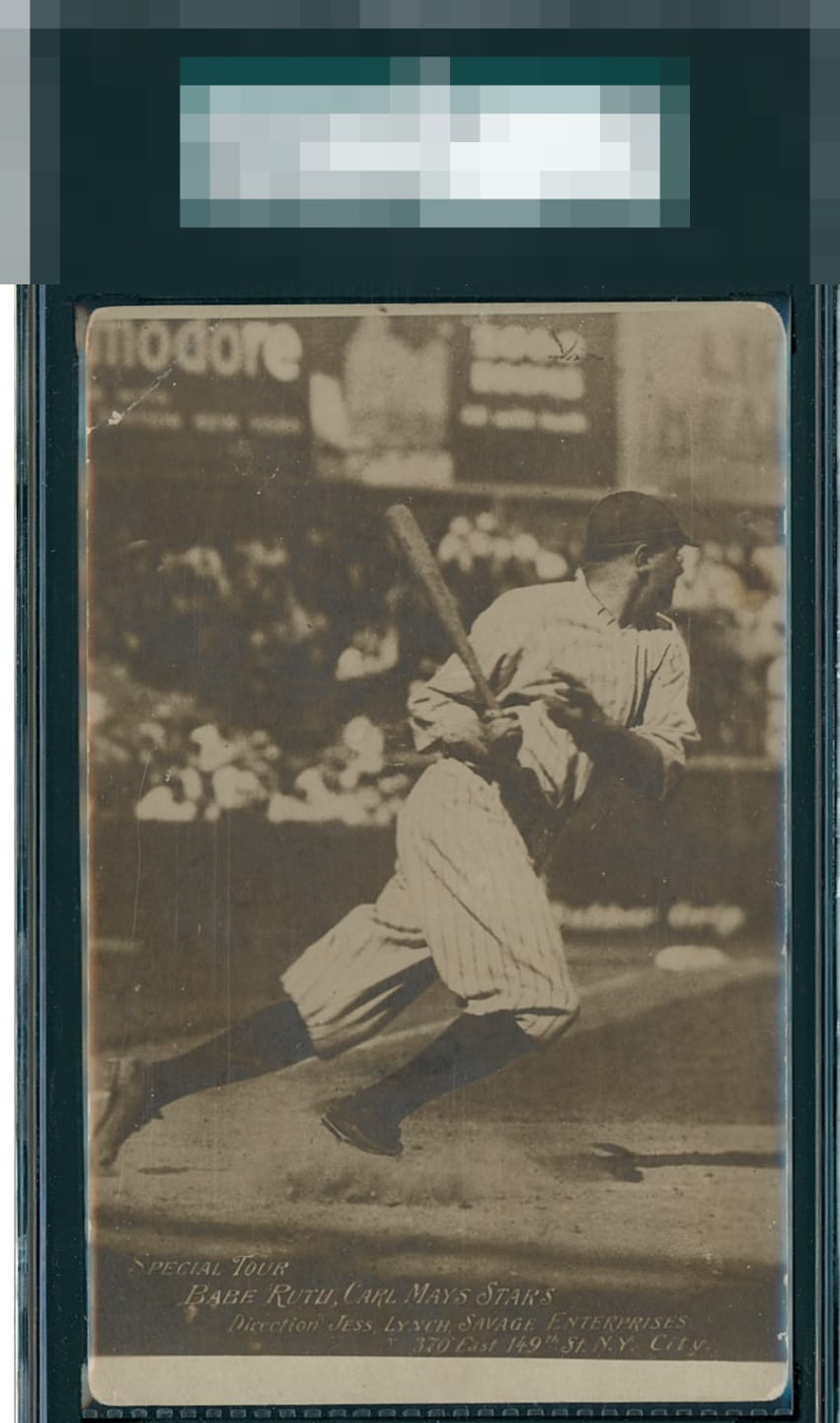
Babe Ruth
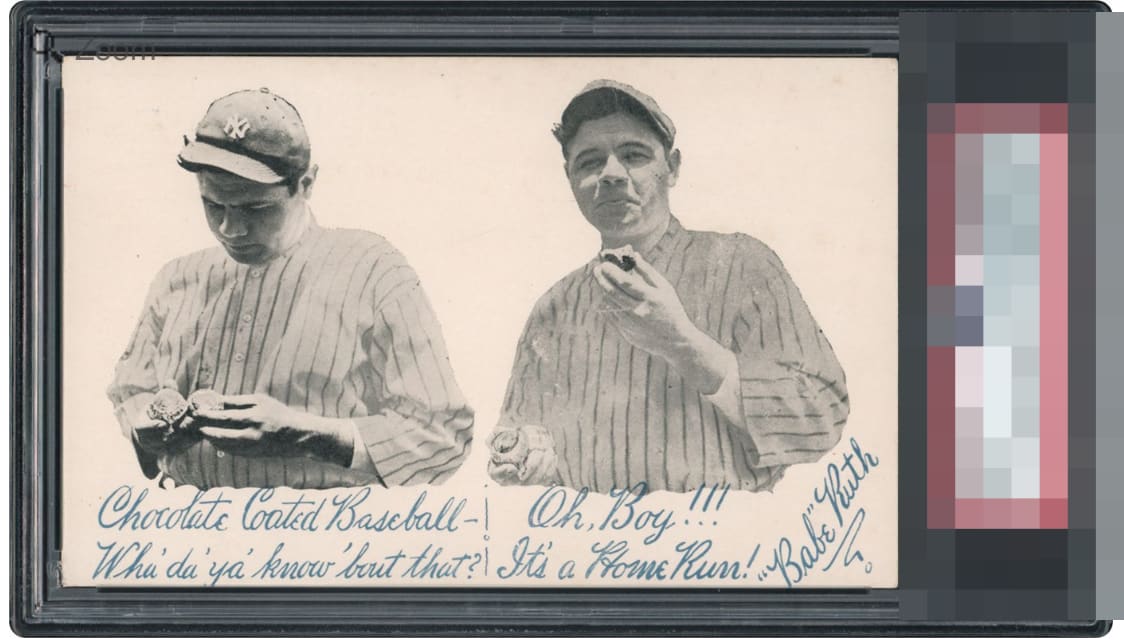
Babe Ruth #001
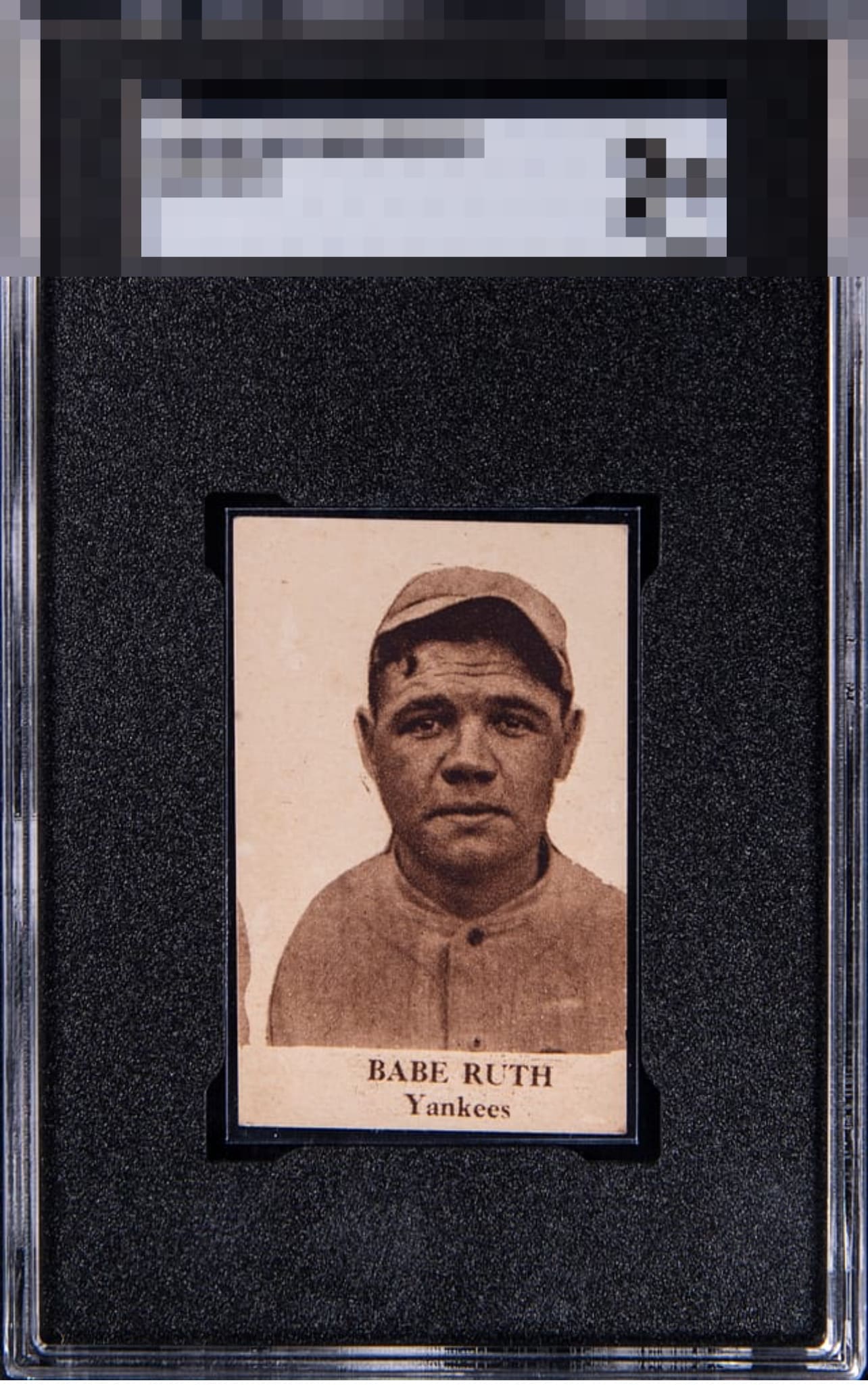
Babe Ruth #001

Biography
I have been a collector of stuff since I can remember. I believe certain people have the "collecting gene" - and I am one of those people. When I was a kid, it was stamps, coins, shells, beer cans, bottle caps, and the like. I started card collecting in 1987 and have collected ever since. Lots of 90's cards and more and more into vintage. Some modern and a very little ultra-modern. I collect a lot of sports memorabilia, autographs, and enjoy some tasteful and historical autographs and tickets as well.
Grading Style
Think of this as an umpire scouting report; how does the ump call a game?
I first look at the overall aesthetic of a card - how does it present within a 1 second snap (like the book BLINK by Malcolm Gladwell), and then look at the centering/corners/color/edges. The visual impact a card has can be more important than all the individual parts.


Biography
I began collecting sports cards in 1990 at the age of 7, initially focusing on set building before shifting my attention to rookie cards. In the late-1990s, I developed a strong interest in autographs, which became a central focus of my collection ever since. Over the years, I’ve built a substantial collection centered around rookies and certified autographs. More recently, my collecting interests have turned toward vintage material—particularly playing days Mickey Mantle autographs. When I’m not collecting, I’m a husband, father, and teacher in the state of Texas!
Grading Style
Think of this as an umpire scouting report; how does the ump call a game?
Most of my attention is drawn to centering, focus, and color. Edges and corners are important as well but don’t always make or break a card.



Biography
I opened my first pack of baseball cards in 1978 and was searching for Yankees only. By 1985 I was totally hooked and have been collecting ever since. I have a small but very focused collection--one half of which includes rookie and/or iconic cards, and the other half is all Don Mattingly (his 1986 Topps is my all-time favorite card). I spent more than half of my life playing organized baseball from high school to very competitive men's leagues. I have a PhD in mathematics and work full-time as a university professor.
Grading Style
Think of this as an umpire scouting report; how does the ump call a game?
I take a "step back" approach to the concept of eye appeal. Even though I am a mathematician, when it comes to cards I do not pick apart the precise, small flaws. Instead I view the card rom the usual distance at which I enjoy them (in hand, about a foot away) and simply feel my reaction. If I feel totally pleased and would not seek to upgrade anything about it, that is an A+ or God Tier, to me.

Biography
A distinguished member of the Council of Eyes, dedicated to preserving the art of collectible evaluation and maintaining the highest standards of eye appeal assessment.
Grading Style
Think of this as an umpire scouting report; how does the ump call a game?
Grading style not yet defined.
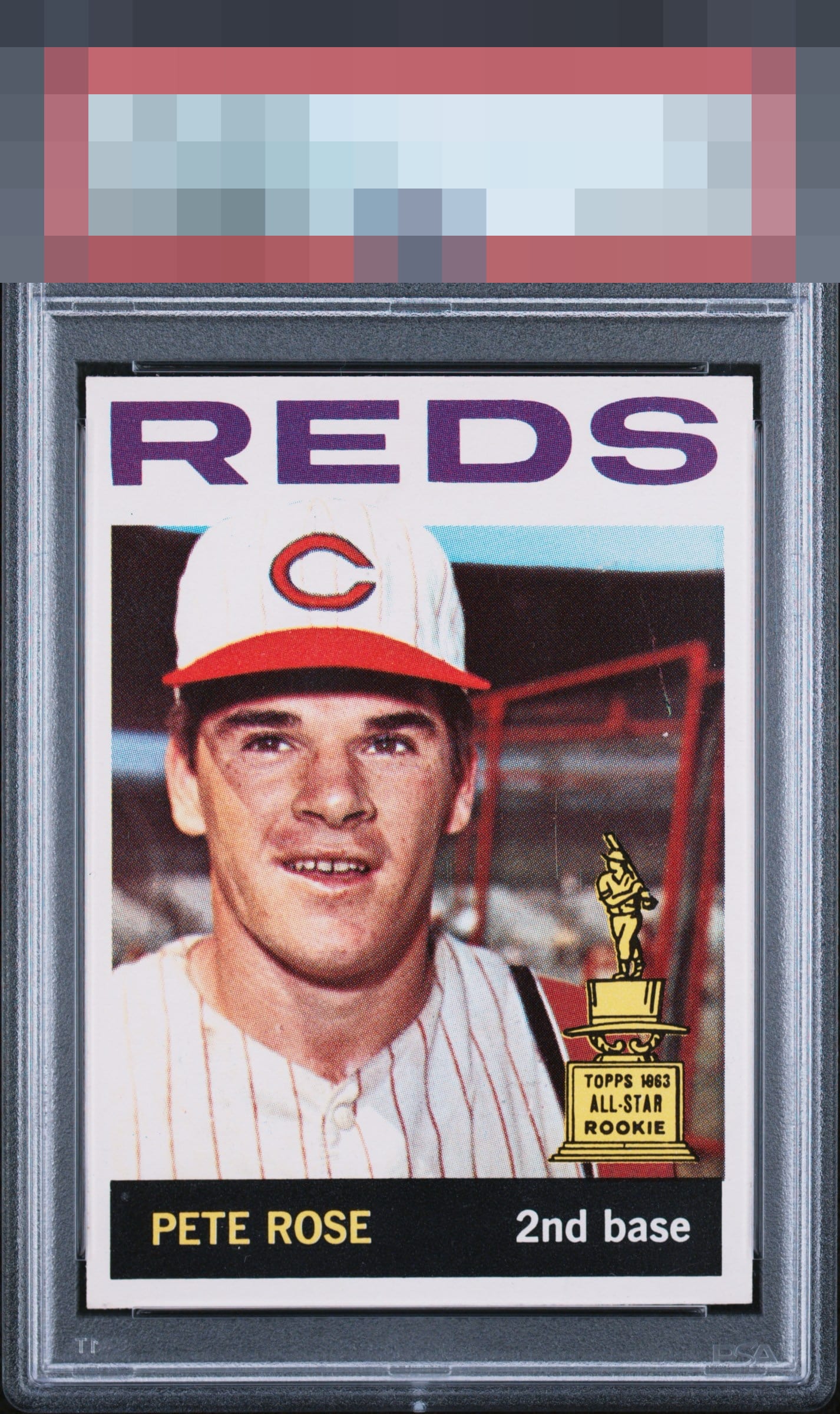
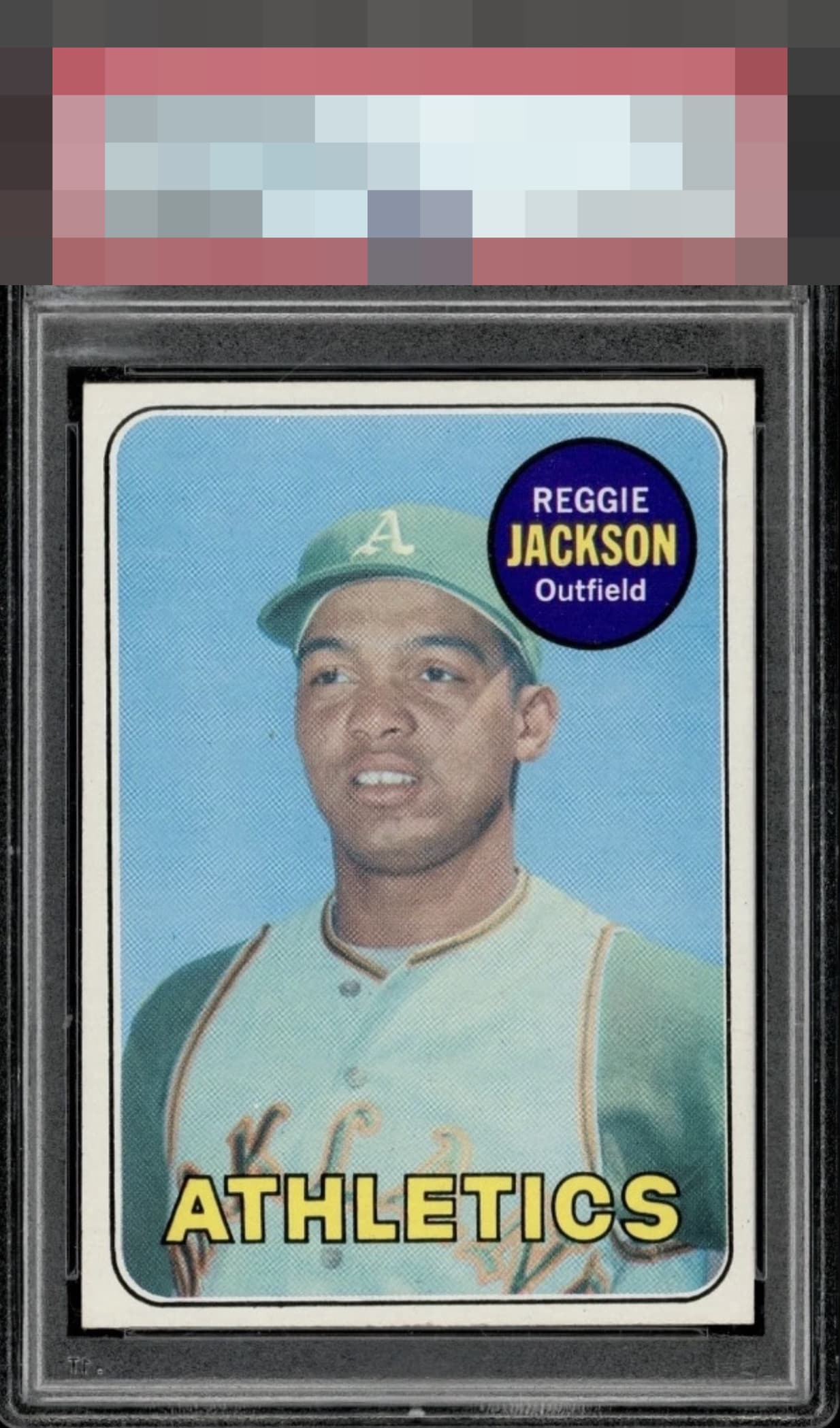


Biography
My collecting journey began in the mid-1980s, opening Topps wax packs and filling binders with my favorite cards. One of my favorite memories is riding my bike to the local card shop to buy the monthly Beckett magazine and admire the vintage cards I could only dream of owning. Around 1994, I stepped away from the hobby for nearly 30 years after the MLB strike. I rediscovered my passion in 2020 during the pandemic. Today, I focus on building a pre-1960 Boston Red Sox vintage card collection, primarily featuring players in Red Sox uniforms. I'm especially drawn to newly graded PSA cards with exceptional eye appeal. My favorite player to collect is Ted Williams.
Grading Style
Think of this as an umpire scouting report; how does the ump call a game?
I’m the type of collector who lets the cards come to me. My goal is to be patient and add the best example of a card at the best price point. My grading style prioritizes clean surfaces and registration over centering. I tend to avoid cards with surface issues that bother my eye. The perfect Godtier card has strong registration, sharp corners, bold colors, and superb centering.
SHOWCASE

Ted Williams
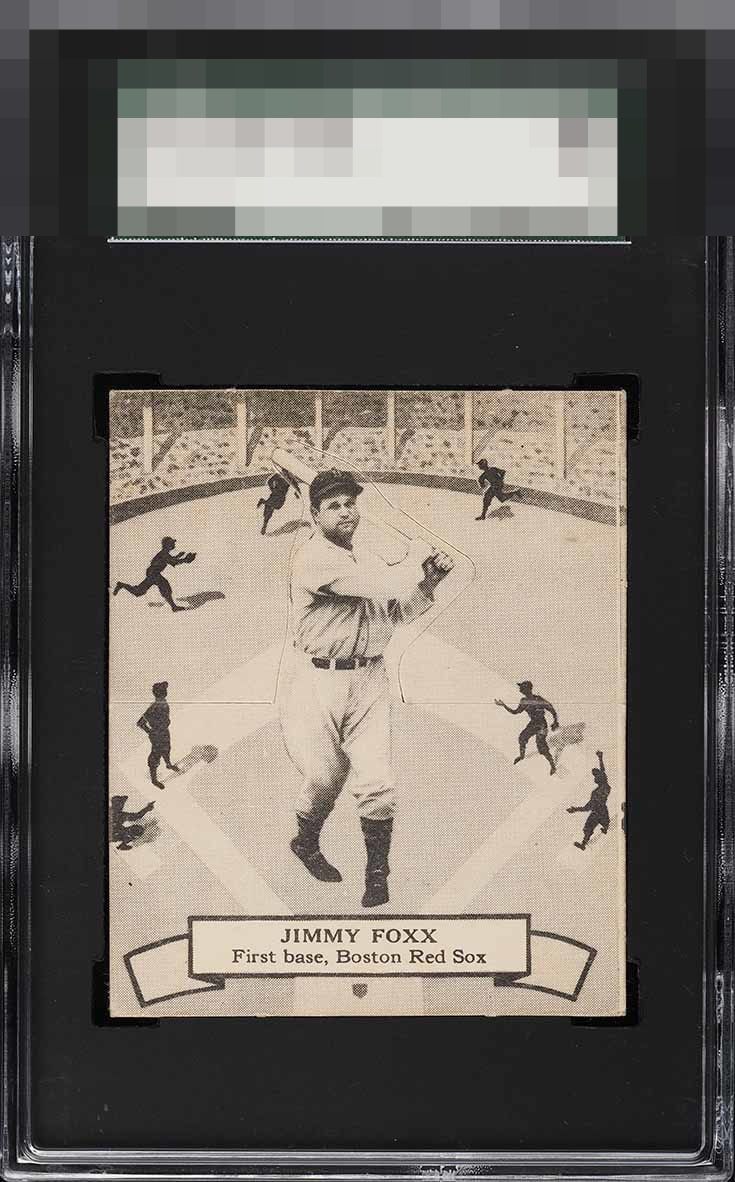
Jimmy Foxx #106
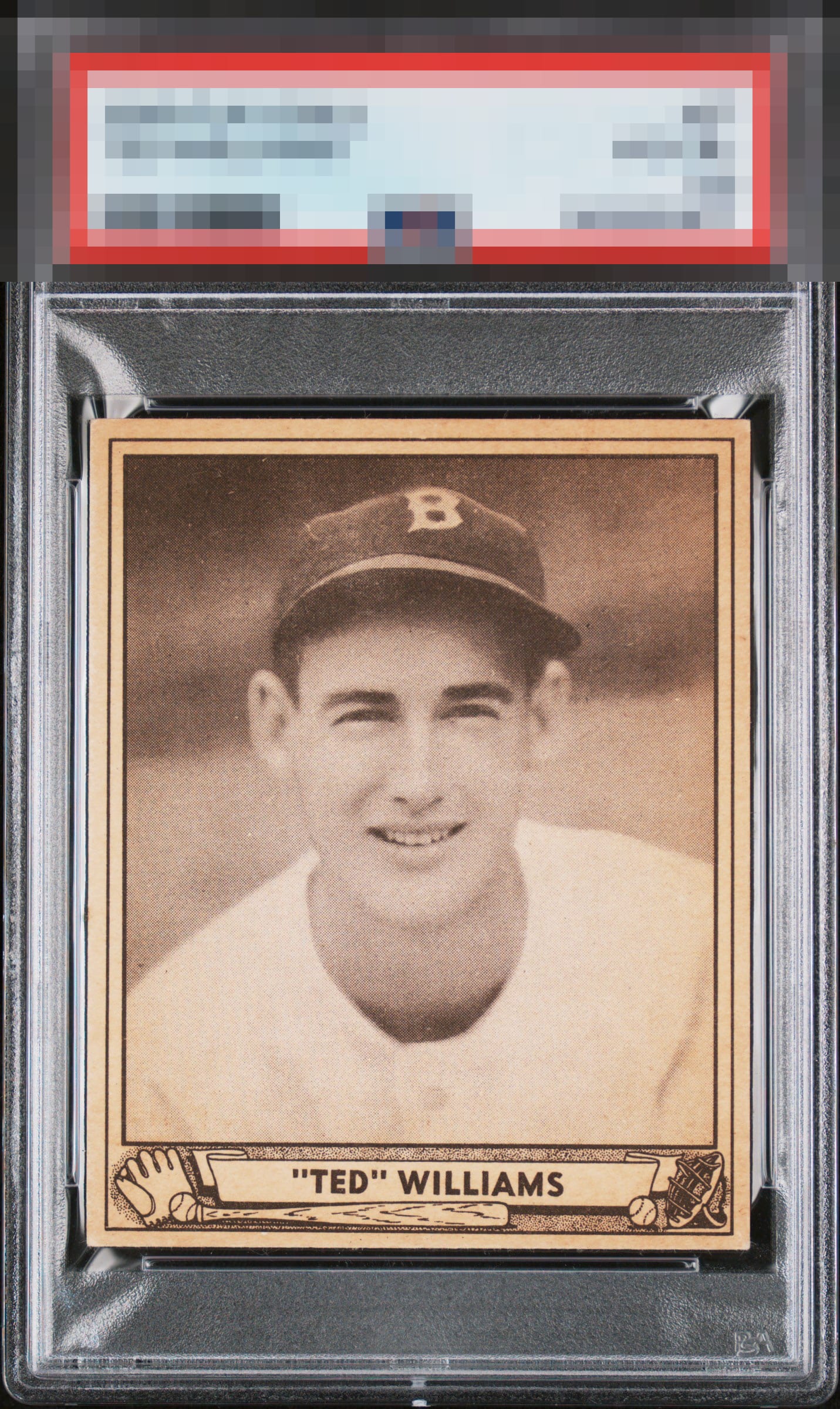
Ted Williams #27
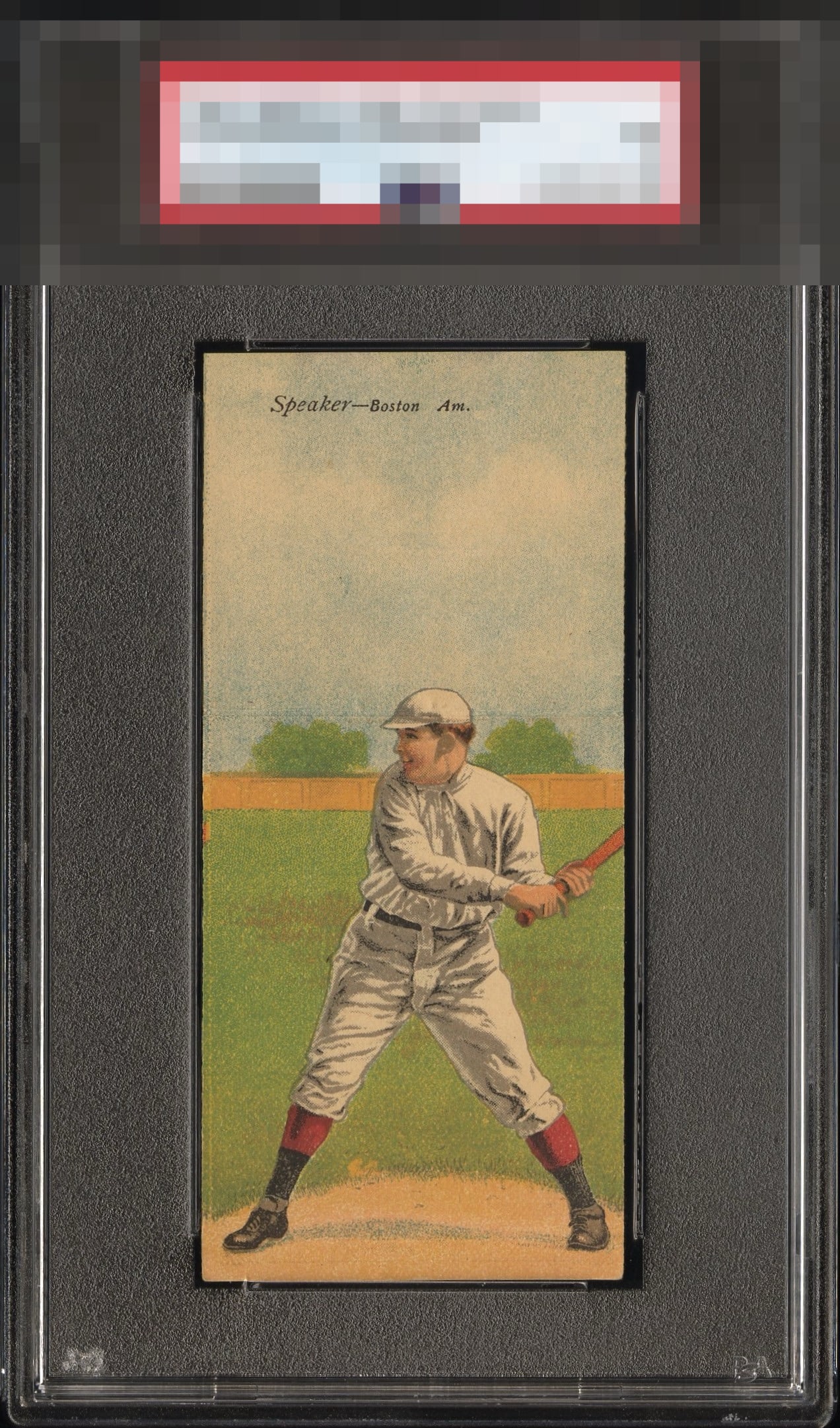
Tris Speaker/Earl Gardner
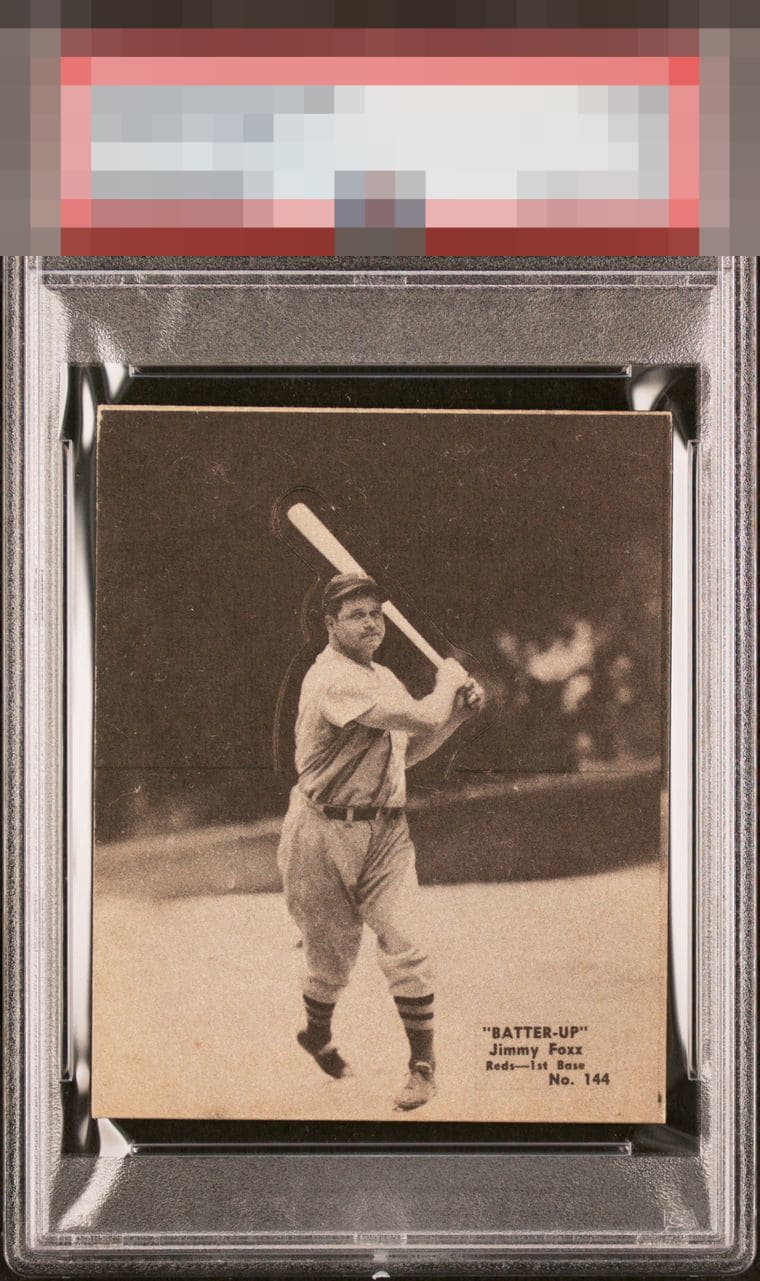
Jimmy Foxx #144

Biography
A distinguished member of the Council of Eyes, dedicated to preserving the art of collectible evaluation and maintaining the highest standards of eye appeal assessment.
Grading Style
Think of this as an umpire scouting report; how does the ump call a game?
Centering and color/registration are always going to be the two biggest components of eye appeal for me, which order depending on the set and card. I'll give grades in the "A" range to cards with corner wear and surface damage as long as it isn't on the face if the centering and image quality hit right. I love signed vintage because the autograph brings another layer to the eye appeal of the card and provides additional rarity and beauty.



Biography
Lifelong card collector with a small hiatus mixed in. Primarily collect pre war, post war, and a handful of 90s/00s of my childhood heroes, as well as a few PSA Set Registry runs.
Grading Style
Think of this as an umpire scouting report; how does the ump call a game?
Centering matters, but it’s not the end all be all. Vivid, sharp colors and a “wow” factor can always take a card to the next level. Comparative views for notorious issues on cards means a lot (i.e. if a set always has centering issues, seeing a 55-45 or 60-40 means a lot more).




Biography
Josh Schneiderman, 33, from Southern California and has been immersed in the world of vintage baseball since coming out of college. Driven by what he calls the “blessing and curse” of a one track mind, Josh has poured countless hours into studying the history, players, and nuances of the hobby. His diverse collection, anchored by signed vintage pieces, resonates with various collectors across eras and interests. Professionally, Josh manages a sales team in the wholesale mortgage industry. Outside of work and the hobby, you’ll find him on the golf course. Like collecting.. Another place where focus, patience, and a love of the hobby come together.
Grading Style
Think of this as an umpire scouting report; how does the ump call a game?
Strong centering and sharp registration can overcome a lot. Expecting vintage cards to be aged, it’s easy to pay little mind to dull corners and minor creases. When considering eye appeal, one should assume others may not have the same hobby knowledge. Appeal comes in many different forms, but a signature conquers all..
SHOWCASE

Ty Cobb

Joe DiMaggio #71
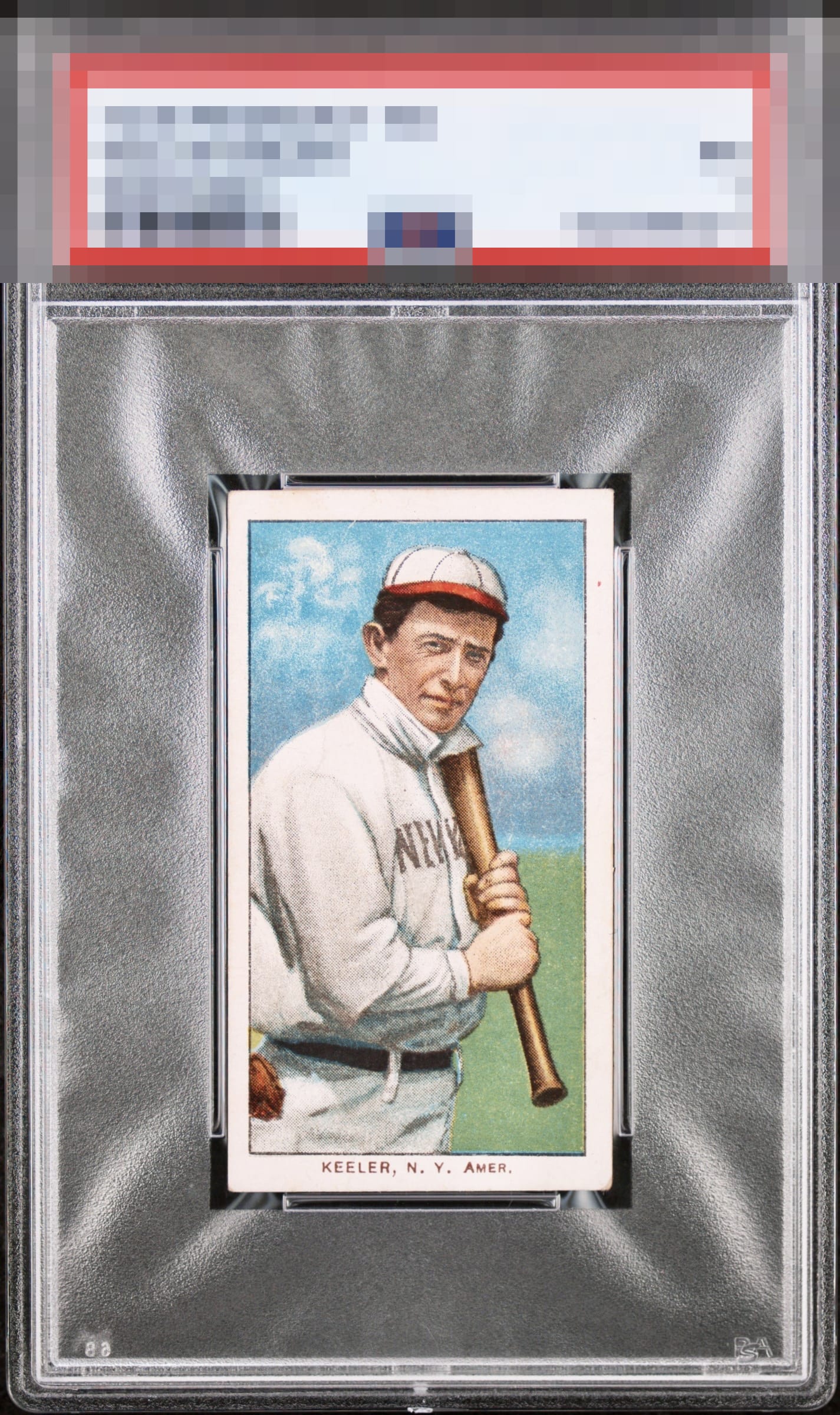
Willie Keeler
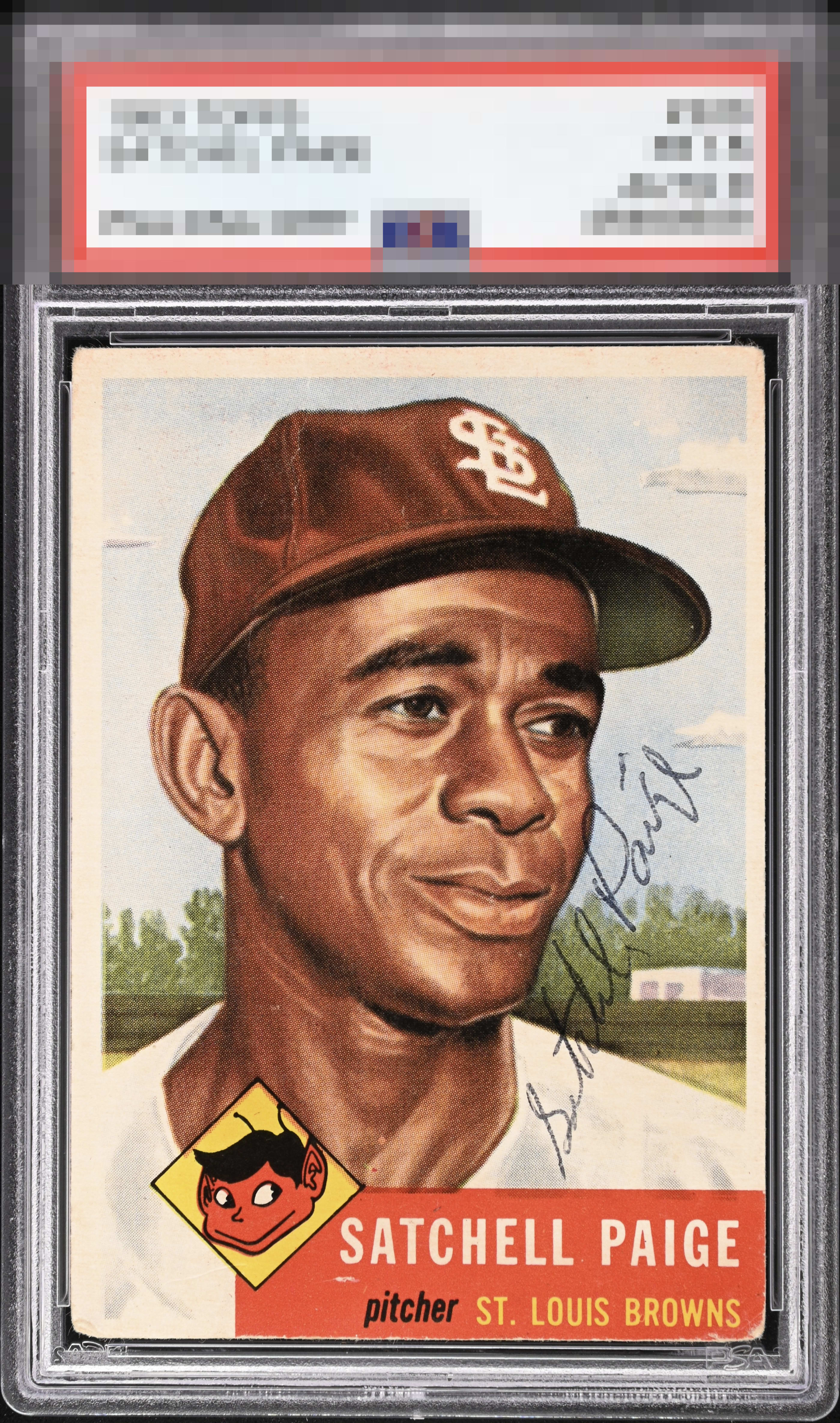
Satchel Paige #220
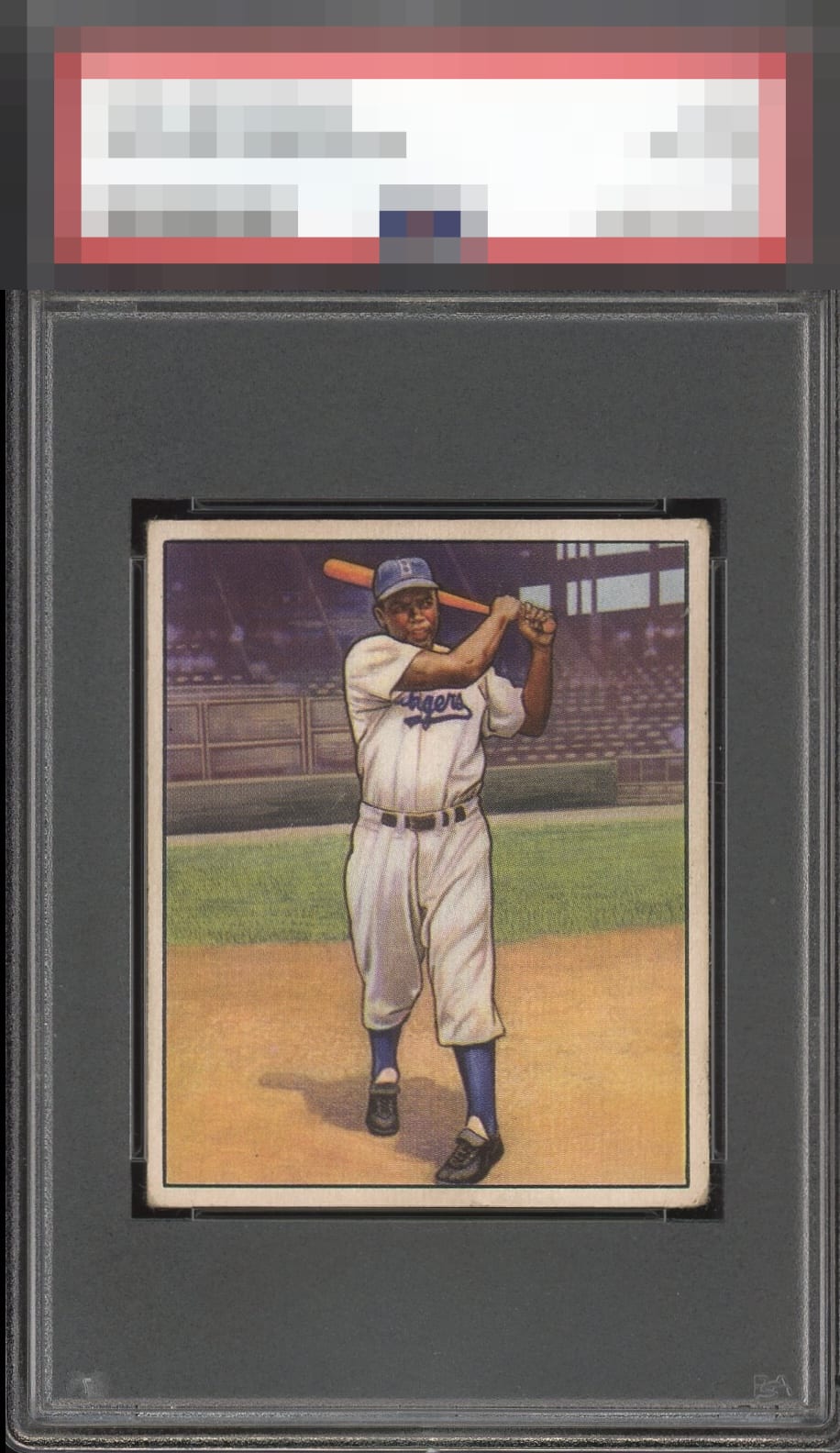
Jackie Robinson #22

Biography
Josh DeBoer is an ardent connoisseur of pre-rookies, extended rookies, rookie year issues, and true rookie cards. His collection centers on the players he grew up watching, but stretches from the classic 1950s through today, with a sweet spot in the 1970s through the 1990s. He chases good centering, strong print registration, and cards that feel alive in hand. Away from the hobby, you will find Josh at the gun range, out in the backcountry, behind a camera, or watching the Atlanta Braves. His ethos is simple: surround yourself with positivity and pour passion into everything that you do. Find me on Instagram at @spacebearcards
Grading Style
Think of this as an umpire scouting report; how does the ump call a game?
For me, centering and print registration, including color saturation, alignment, and overall print quality, are paramount. With vintage cards from the 1970s and earlier, I am not bothered by diamond cuts or soft corners. From the 1980s into the ultra modern era, sharp corners, clean edges, and flawless centering became the standard. I do not review autographed cards that didn’t originate in a pack. In my humble opinion, I view them as a defaced and or altered card.



Biography
Middle-aged, quiet collector that grew up collecting in the Junk Wax Era.
Grading Style
Think of this as an umpire scouting report; how does the ump call a game?
Centering first, image clarity second, corners third, edges fourth, and wear and toning last.

Biography
I work in private equity, researching companies for investment on both the debt and equity side. I have been in finance for over 15 years. In my spare time, I collect vintage cards, mainly pre-war and signed cards. I have been collecting for over 20 years, buying my first t206 card in 2005 (Cy Young - still have it)! The average grade of my entire collection is likely a 1.5
Grading Style
Think of this as an umpire scouting report; how does the ump call a game?
Registration. With vintage, it is all about registration. I like a centered copy but love a card that has good registration and vibrant colors. Corner wear doesn't faze me.
SHOWCASE
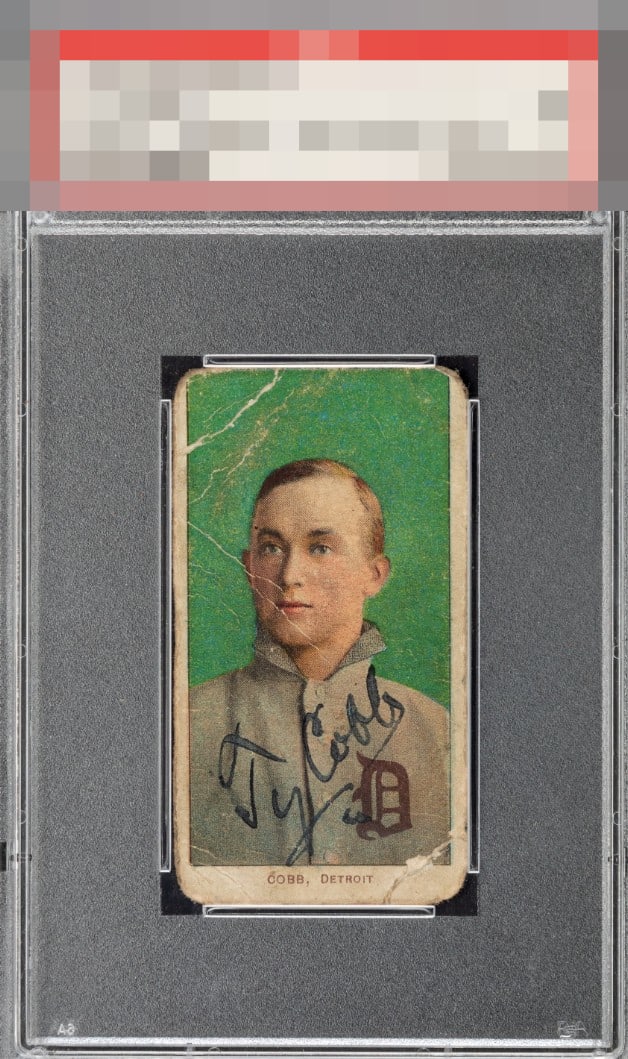
Ty Cobb #GREEN PORTRAIT

Ty Cobb
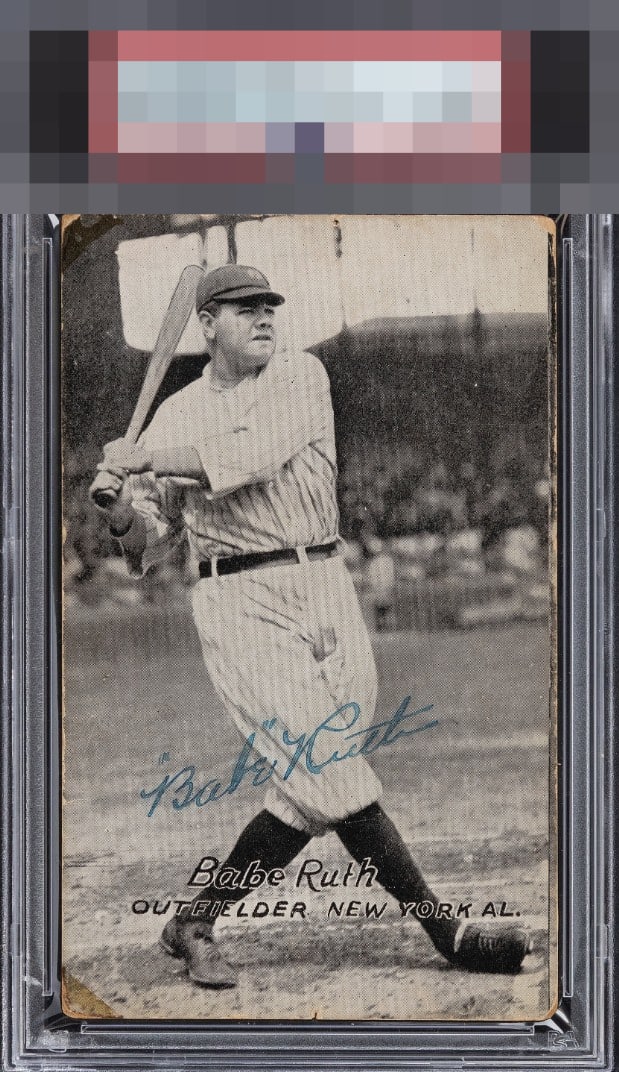
Babe Ruth

Honus Wagner
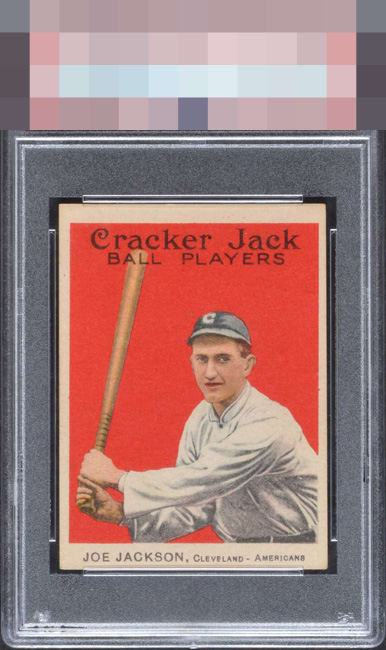
Joe Jackson #103

Biography
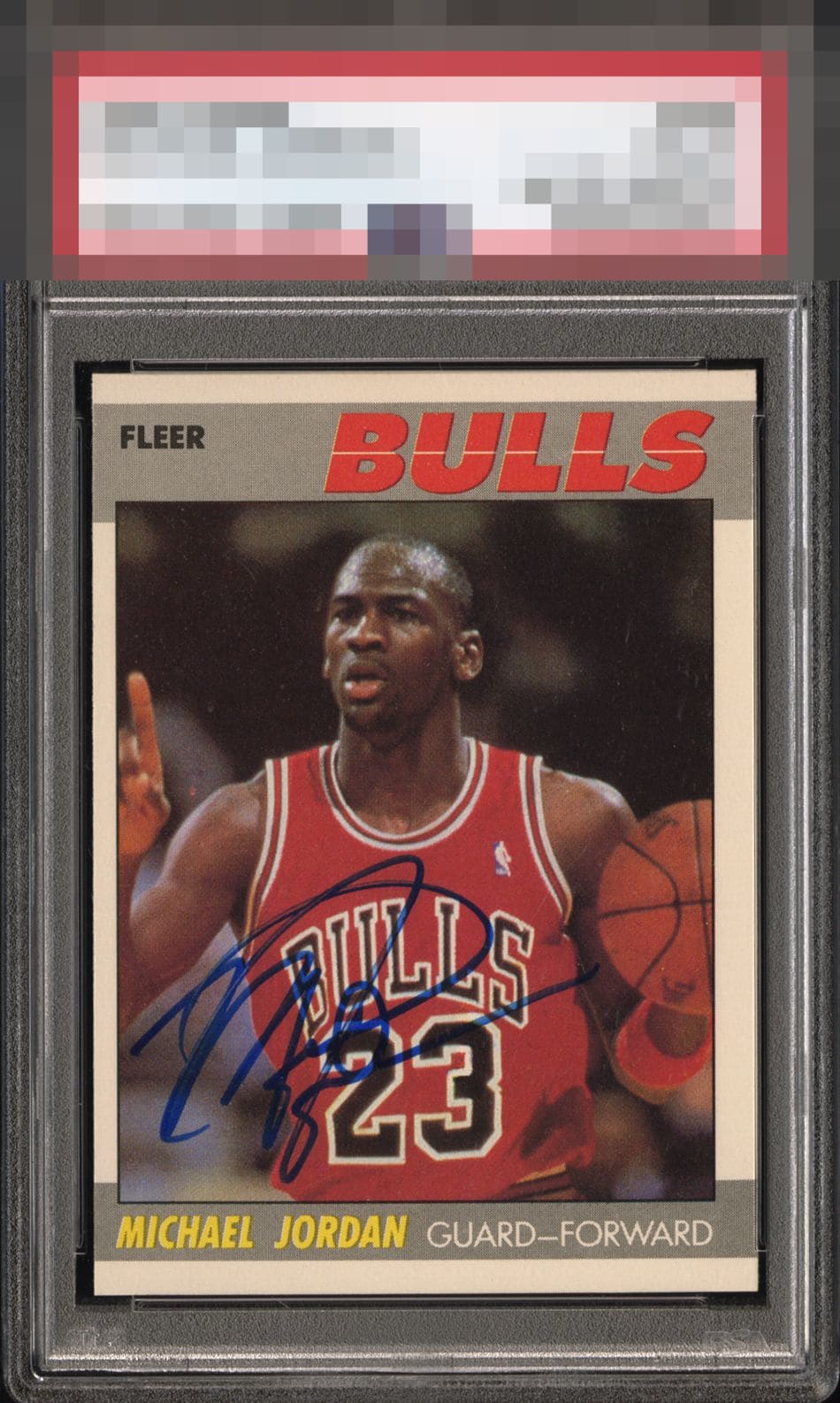
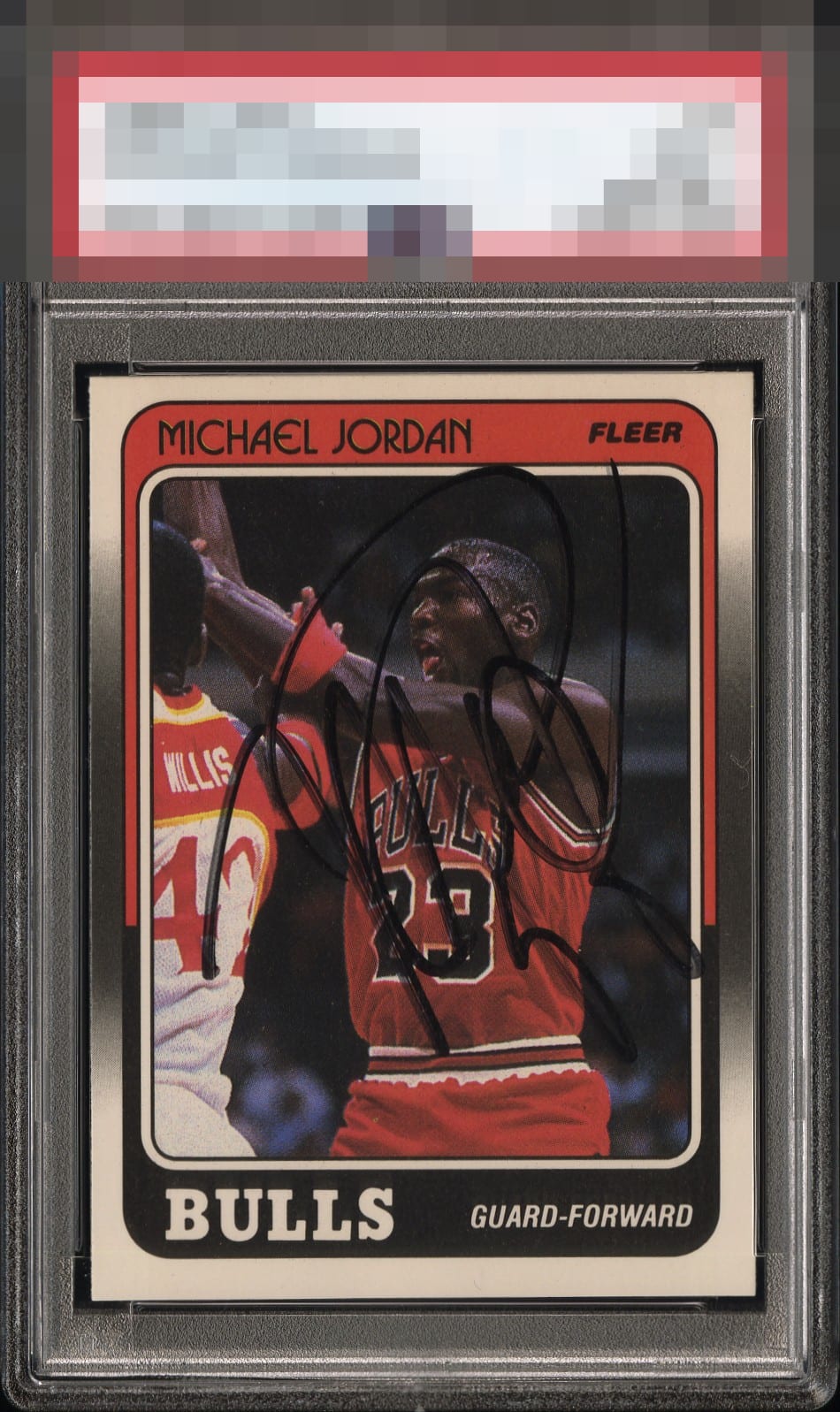
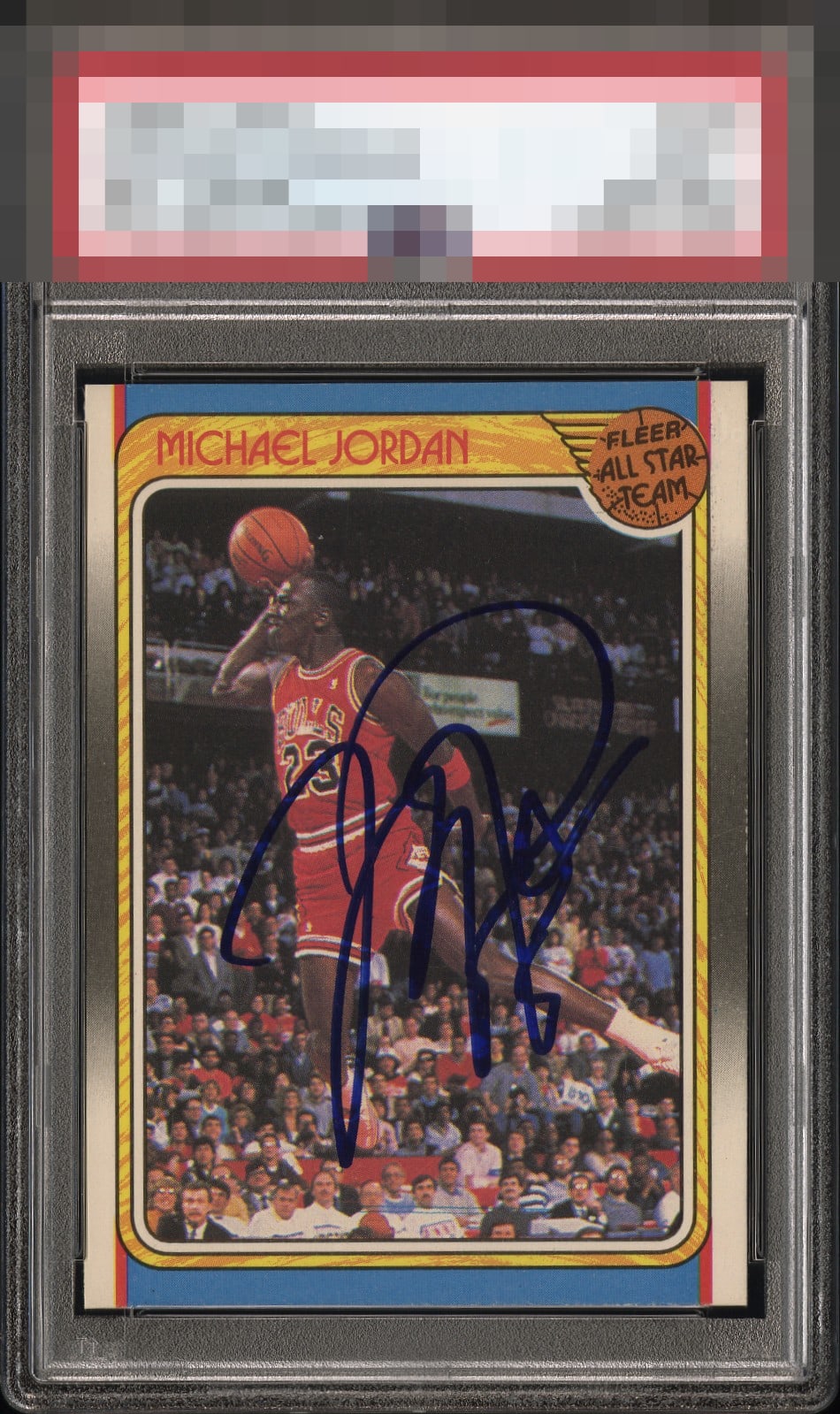
I started collecting in 1986 after nearly fist fighting my older brother for a 1986 Donruss Dwight Gooden in the backseat of a Honda Civic. My first job was at Terry's Comics and C+C Baseball cards in Brooklyn, NY at the rip old age of 11. I returned to the hobby in 2010 and have kept a two simple collecting guidelines in focus since. First, would 6-15 year old Greg think the item is cool. Second, cover the grade and find the prettiest copy for my budget. I remember sifting through stacks of a card back in the 80s and narrowing down my pick based on my eyeballs alone. Why change that now because there is a sticker with a number on the plastic lol? I focus mostly on vintage, IP signed Michael Jordan and post war through 1980s baseball. I also collect comics from Golden Age Batman, Silver Age Marvel Keys and Bronze and Copper Keys. When not collecting I also enjoy bodybuilding, competing in the Classic Physique division, and Muay Thai. Much less dangerous than spending time on Heritage and Goldin ;)
Grading Style
Think of this as an umpire scouting report; how does the ump call a game?
Image quality and centering are the aspects that I care most about when selecting a card. I find that corners and minor wrinkles do not affect my visual enjoyment in real-life viewing. The back is really inconsequential, for me.



Biography
A distinguished member of the Council of Eyes, dedicated to preserving the art of collectible evaluation and maintaining the highest standards of eye appeal assessment.
Grading Style
Think of this as an umpire scouting report; how does the ump call a game?
I believe in the Holy Trinity of Eye Appeal above all else: - Surface. ✅ - Centering. ✅ - Image / Print. ✅ When a card checks all three, that’s how you get to GOD TIER in my book.
SHOWCASE
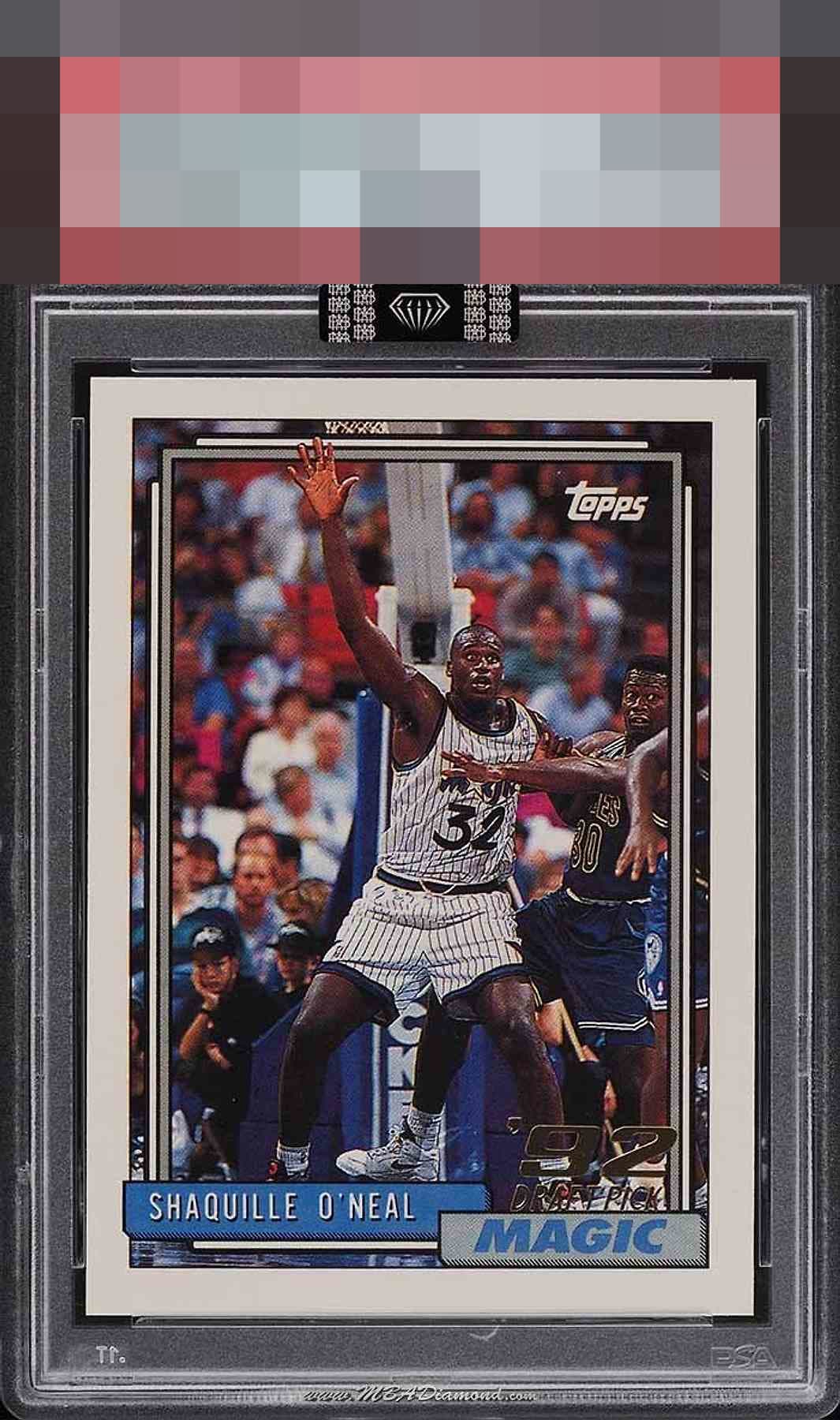
Shaquille O'Neal #362

Roger Maris

Lew Alcindor #75

Hank Aaron #320
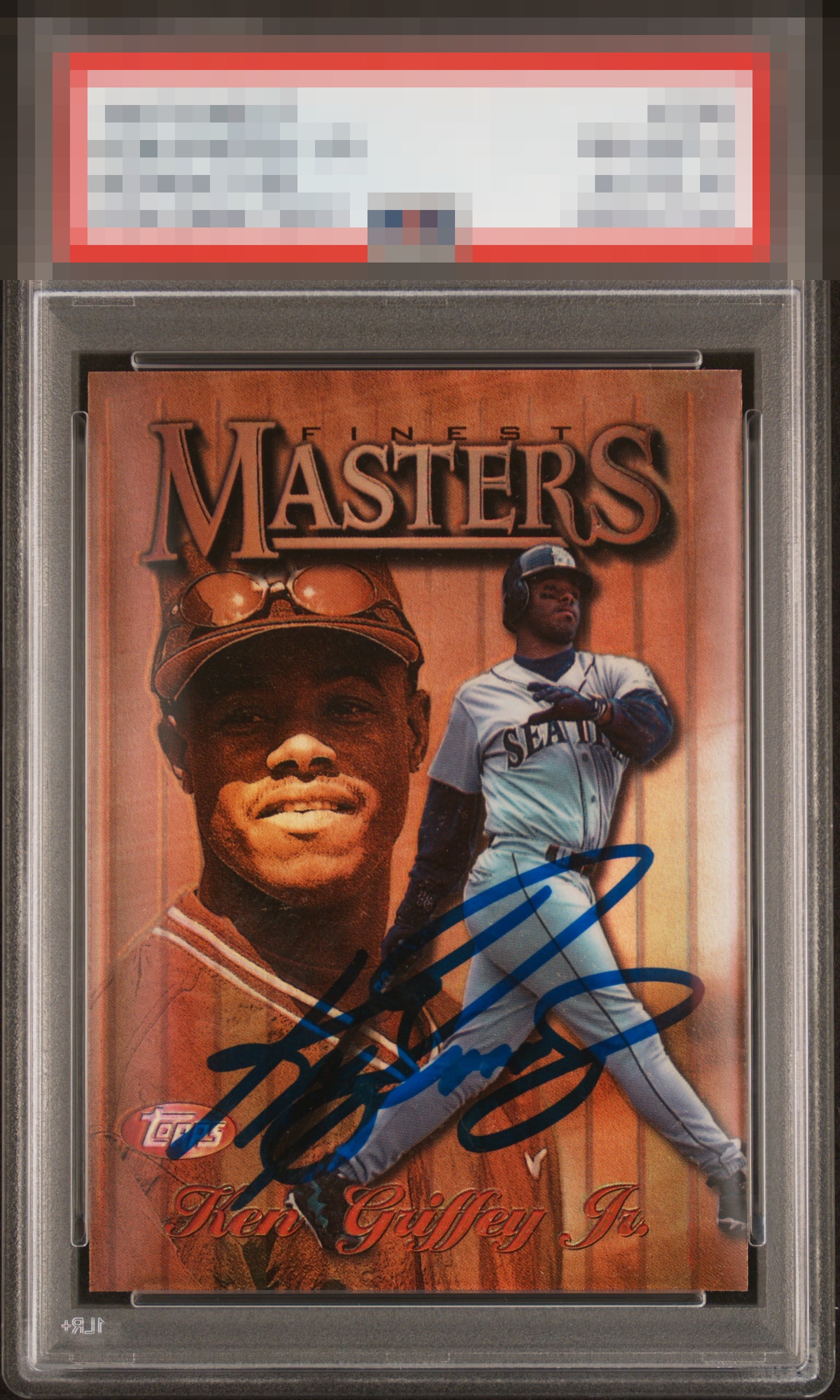
Ken Griffey Jr. #238

Biography
All card reviews are done imagining I’m 18” away. Lifelong Phillies, Philly Big 5, & Eagles fan. Like Al Bundy, married with two children. Started collecting in 1985 & resumed in 2018.
Grading Style
Think of this as an umpire scouting report; how does the ump call a game?
All card reviews are done imagining I’m 18” away. Registration, color, surface, and centering.
SHOWCASE


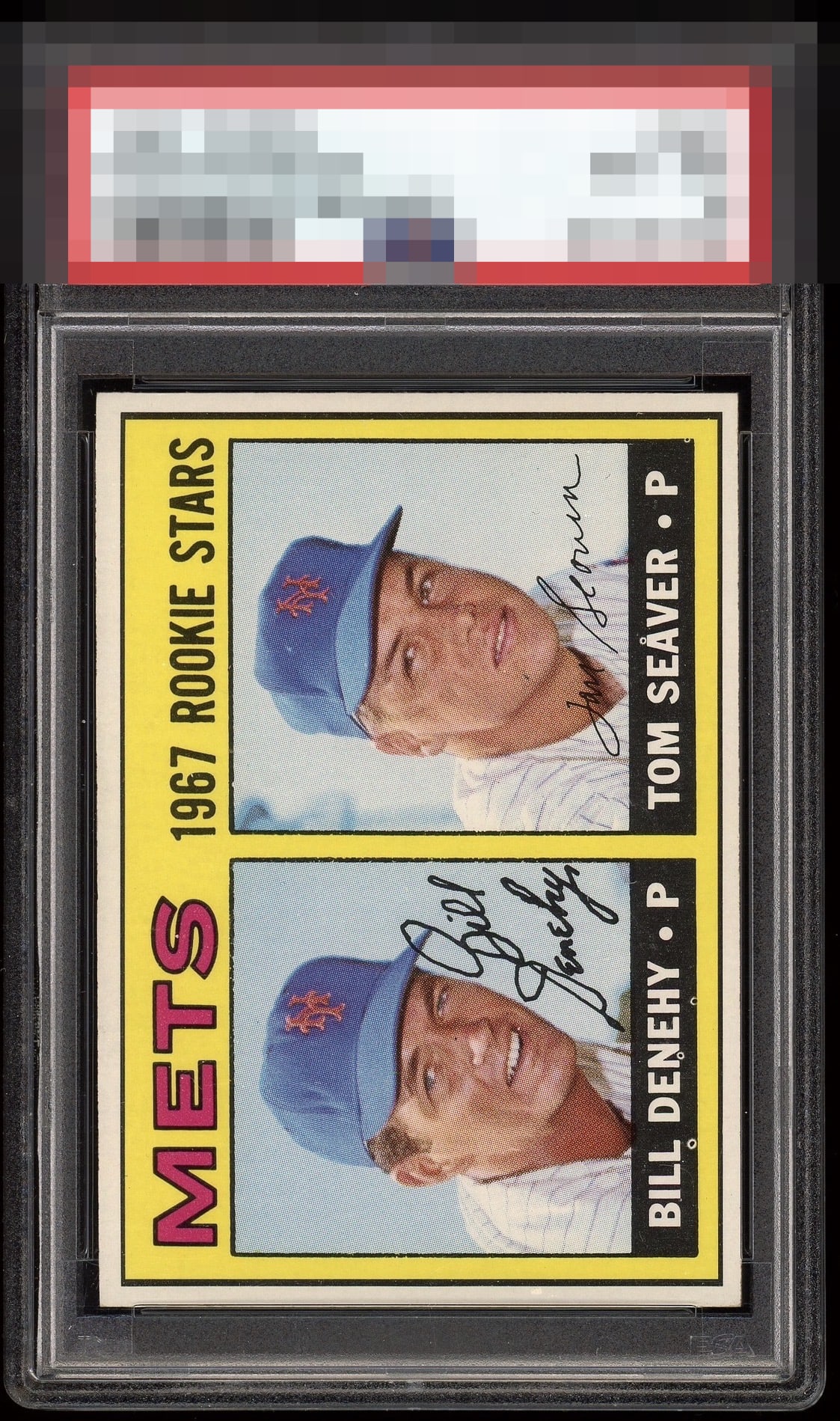

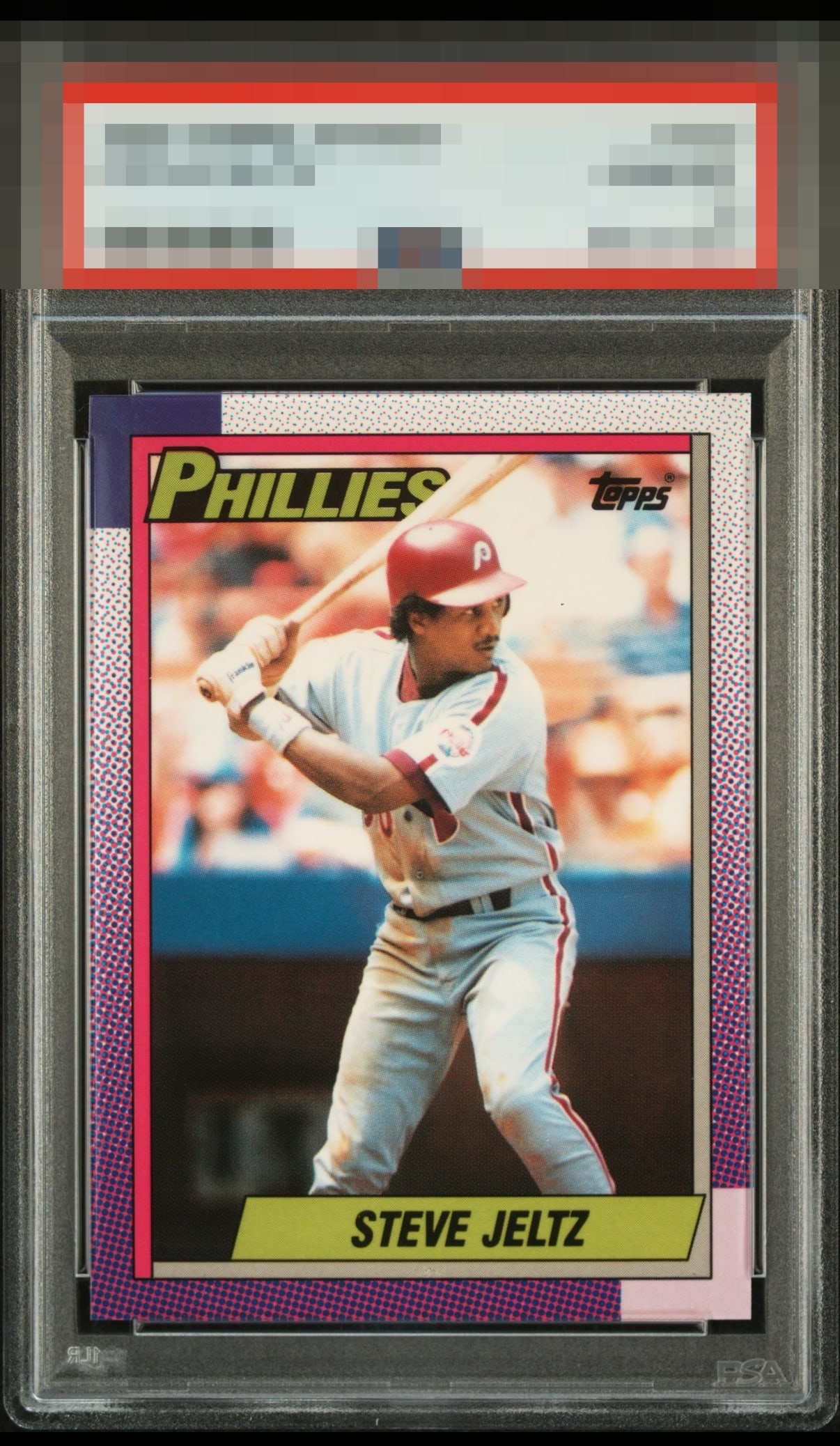

Biography
Collector of vintage baseball cards, primarily Yankees and Mickey Mantle, as well as junk wax. Like many, he collected as a kid and later rediscovered the hobby. Follow him on instagram @underthebat_
Grading Style
Think of this as an umpire scouting report; how does the ump call a game?
For me, centering, image clarity, and color are the most important aspects.
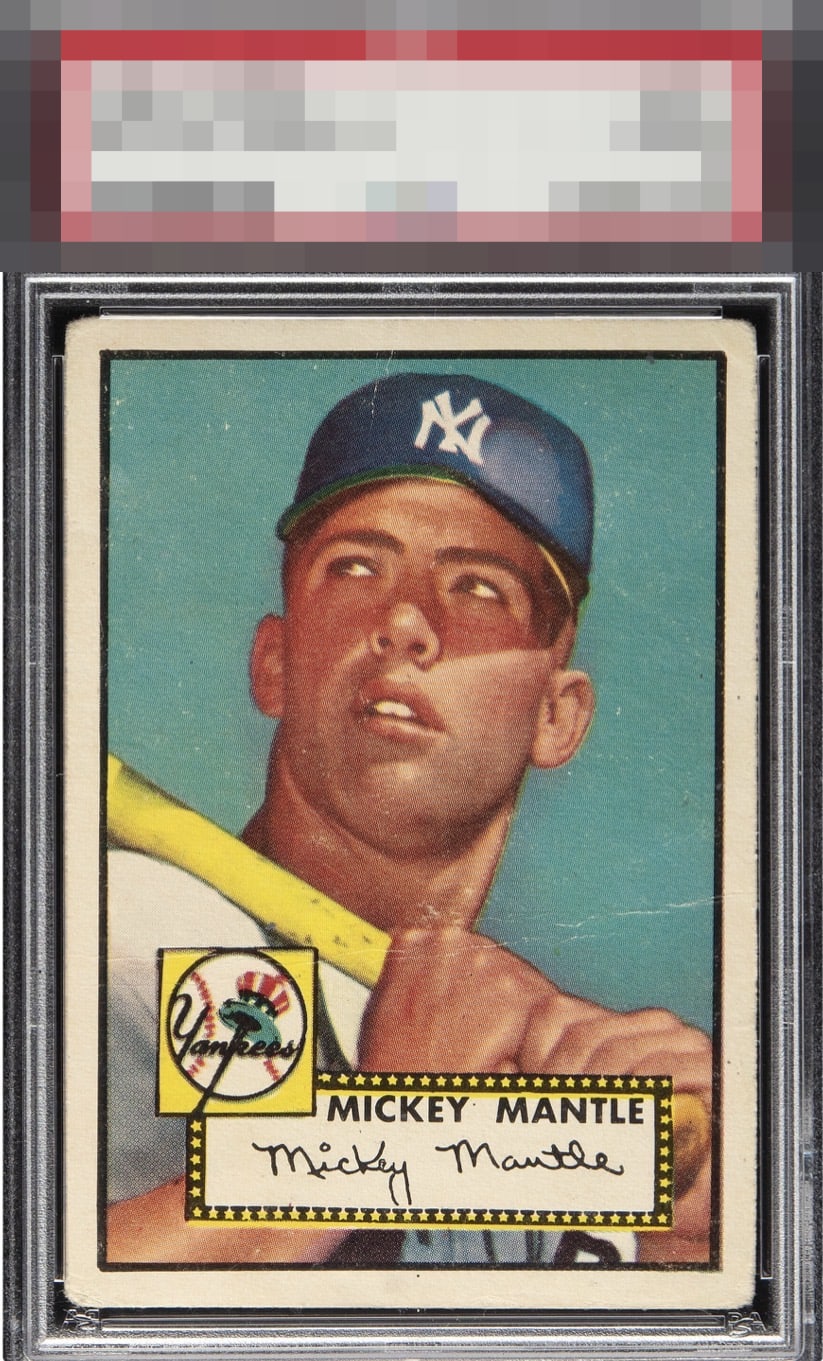
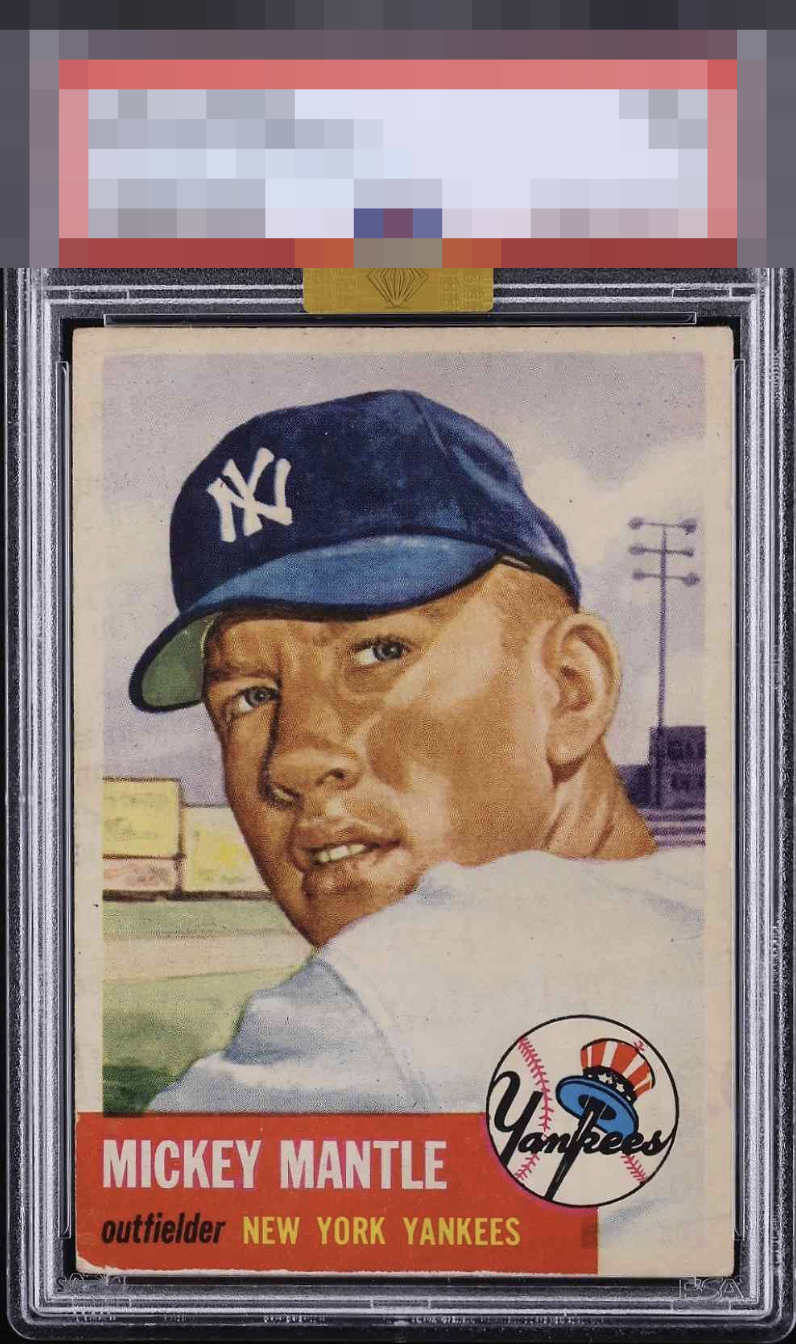
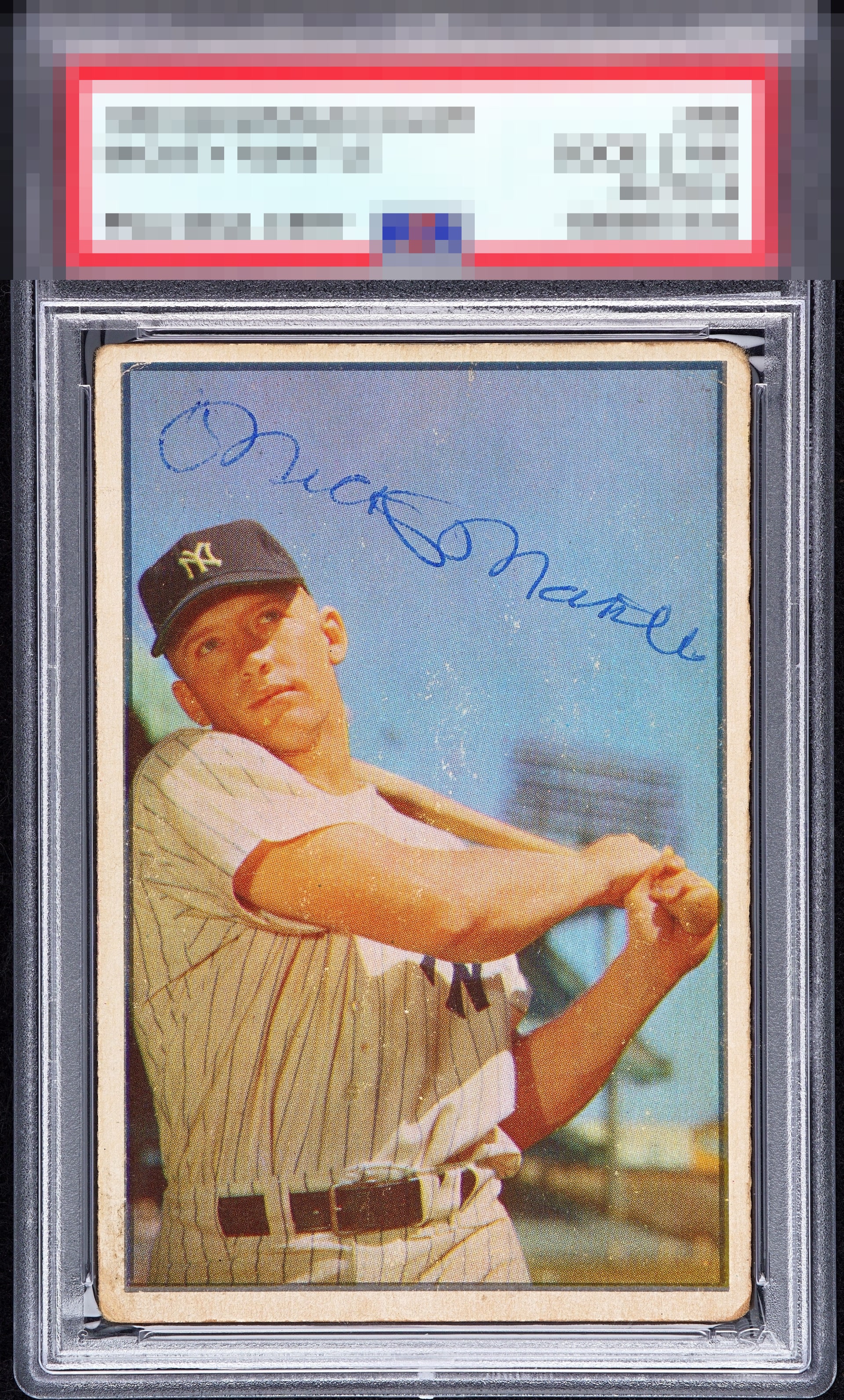
SHOWCASE
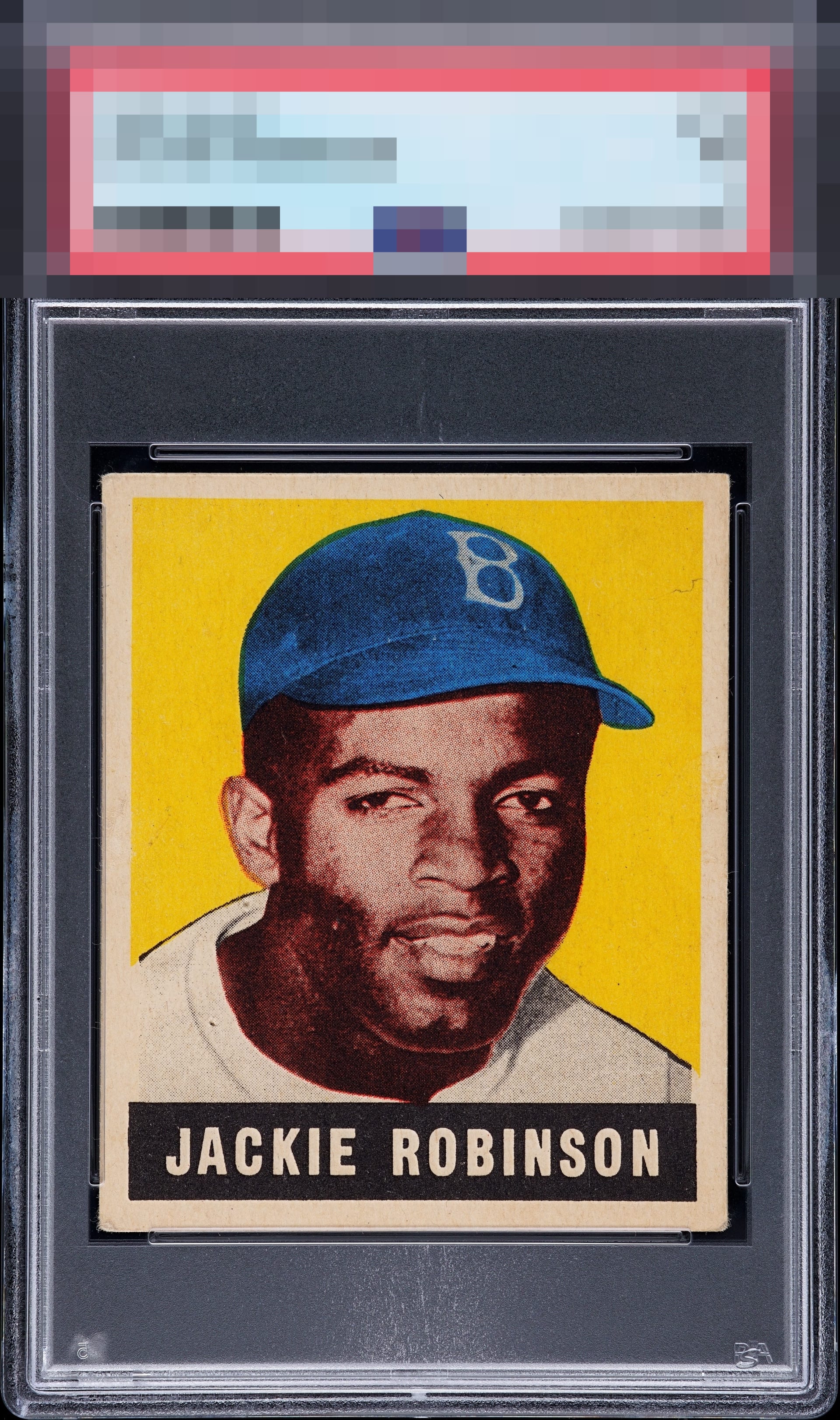


Biography
Sean began collecting cards as a child in 1990 and has been passionate about the sports card hobby since. His first love in collecting is vintage baseball - but his collecting tastes span across all eras and sports - vintage, modern, ultra modern. An artist and creative by nature, photographer, filmmaker, musical artist, and audio engineer Sean applies his artistic eye to how he inspects, analyzes, and appreciates sports cards. With 10s of thousands of hours under his belt reviewing sports cards (especially vintage) he is comfortable assessing cards both based on their unique traits per their specific set - and of course their eye appeal. Sean is the Chief Development Officer for an organization that trains CEOs, Business Owners, and Leaders.
Grading Style
Think of this as an umpire scouting report; how does the ump call a game?
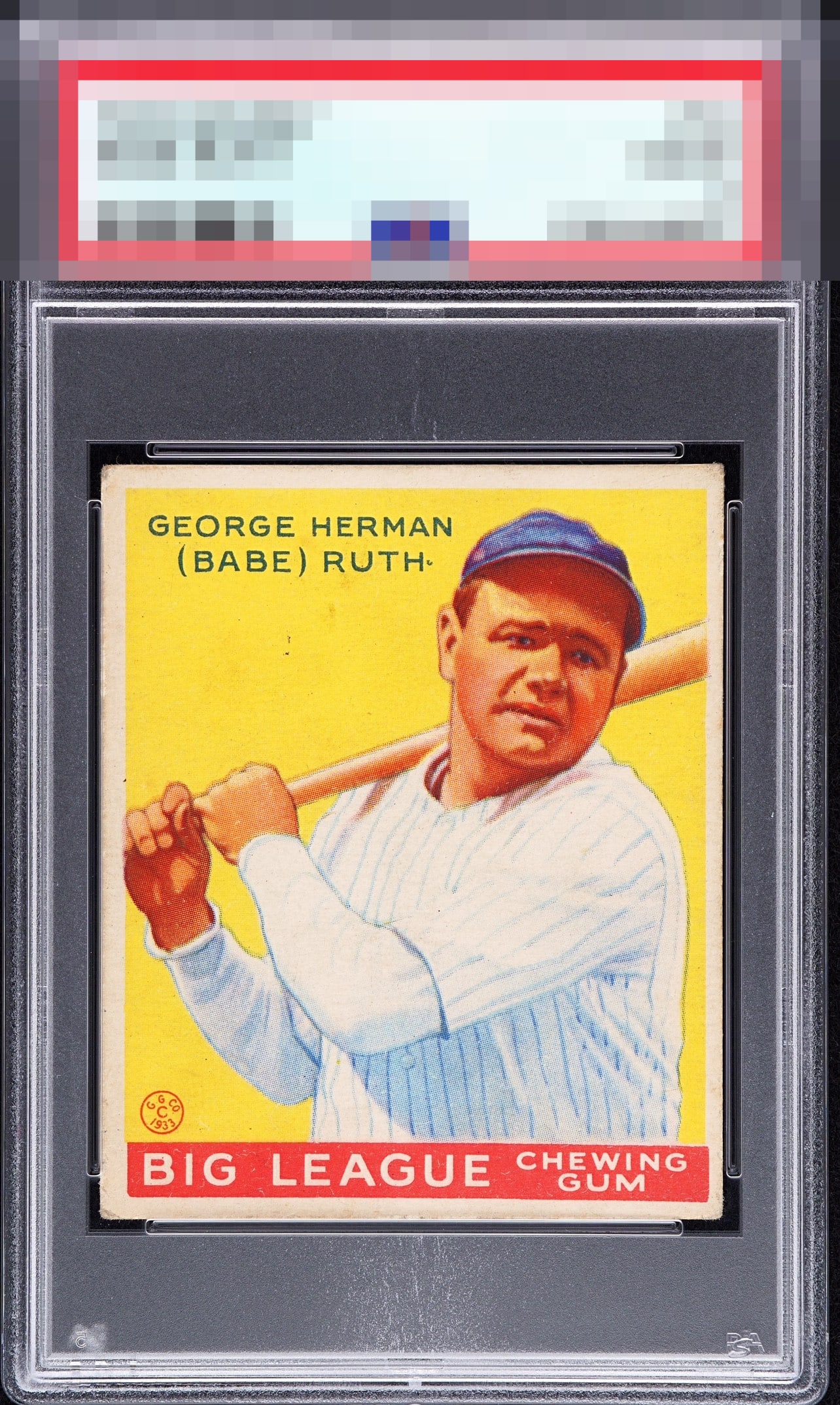
In vintage what is most important to me first is a clean (scuff free) surface and a deep original color. Next is centering, followed closely by image clarity (registration). With 10s of thousands of hours reviewing sports cards (especially vintage) I am comfortable assessing cards both based on their unique traits per their specific set, condition sensitivities - and most of all their eye appeal. You can't assess eye appeal through the same lens with a card from 1933 Goudey as you would 1989 Upper deck. Certain cards you can't compare the eye appeal to cards from other sets, or even at times to other cards from within the same set. Their placement on sheets before being cut are unique giving each their own challenges. Cards must be compared to the best looking version of THAT card - as each card within a set may have its own condition/eye appeal sensitivities.

Biography
Starting collecting cards as a wee lad in the mid - late 80s and got out early 90s and back in like most a few years ago. Most memorable trade from my youth was getting an 89' Upper Deck Griffey from a pack and trading it for a 85' Topps Eric Davis, thinking at the time Griffey was all hype :-) Besides cards, I'm a network engineer, have a marketing agency, a writer and love my motorcycle and baseball history.
Grading Style
Think of this as an umpire scouting report; how does the ump call a game?
For vintage, I tend to prioritize surface since it's so hard to find it clean. A close second is centering, followed by corners, edges and image color quality. And it depends on the set and the common issues found that are also taken into consideration.


Ready to Join the Council?
Demonstrate your expertise, build your reputation, and become eligible for council membership.